 Skip to content

Commercial Japanese knotweed removal
Japanese knotweed on a development site can lead to delays, cost overruns, legal exposure and challenges with financing or land sale. We help developers, contractors and landowners manage knotweed quickly, safely and in full compliance with environmental legislation, ensuring construction programmes stay on track.
With over 25 years’ experience, we offer a full range of excavation and treatment methods for commercial sites, supported by industry-leading insurance-backed guarantees.
We work for







Quick Links
Commercial knotweed removal methods
Development sites differ widely in layout, access, budgets and construction programmes. We therefore offer a range of proven remediation methods.
Why early intervention matters
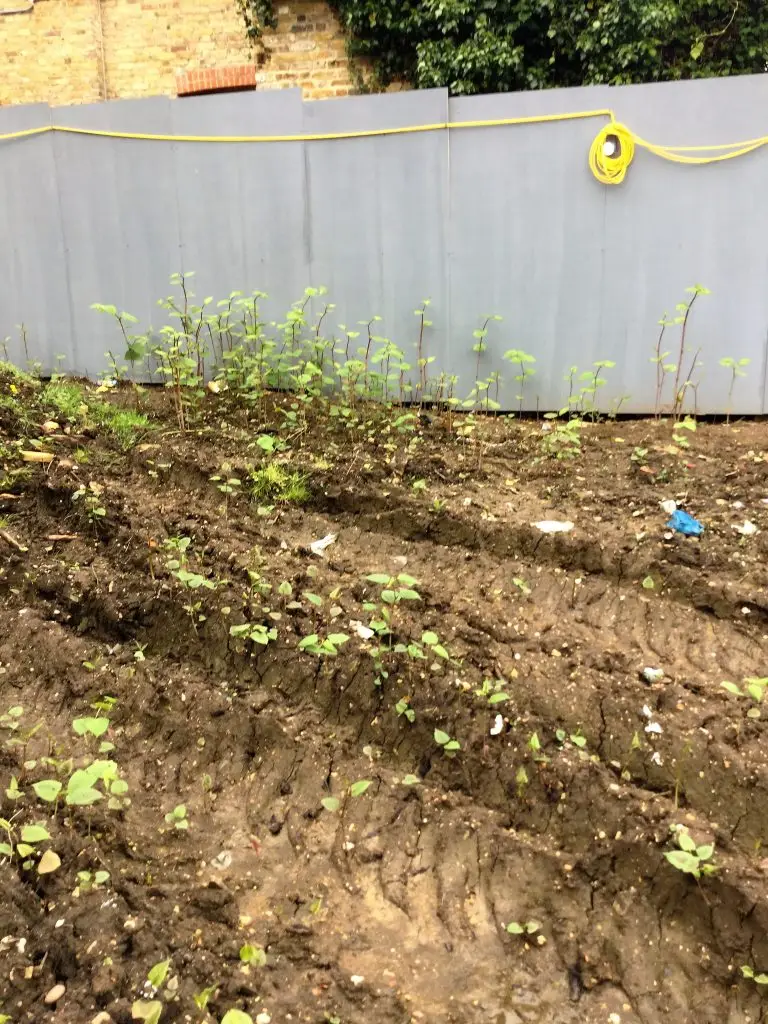
Mismanaging knotweed on development sites can lead to:
- construction delays and increased costs
- spread into clean areas or adjoining land
- legal liability for encroachment
- criminal sanctions under the Wildlife and Countryside Act 1981
- difficulties securing funding or selling land
- risk of damage to buildings, hard surfaces and drainage systems
Engaging a specialist early avoids these risks and ensures clarity at tender stage.
The Environet way
We provide a complete consulting and contracting service designed to:
- fully remove the knotweed problem
- meet construction programmes without delay
- minimise risk and avoid legal exposure
- comply with all waste and environmental legislation
- maximise land value
- support clients with clear documentation and long-term guarantees
Our experienced teams deliver bespoke remediation strategies including Xtract™, supervised excavation, screening, stockpiling and off-site disposal.
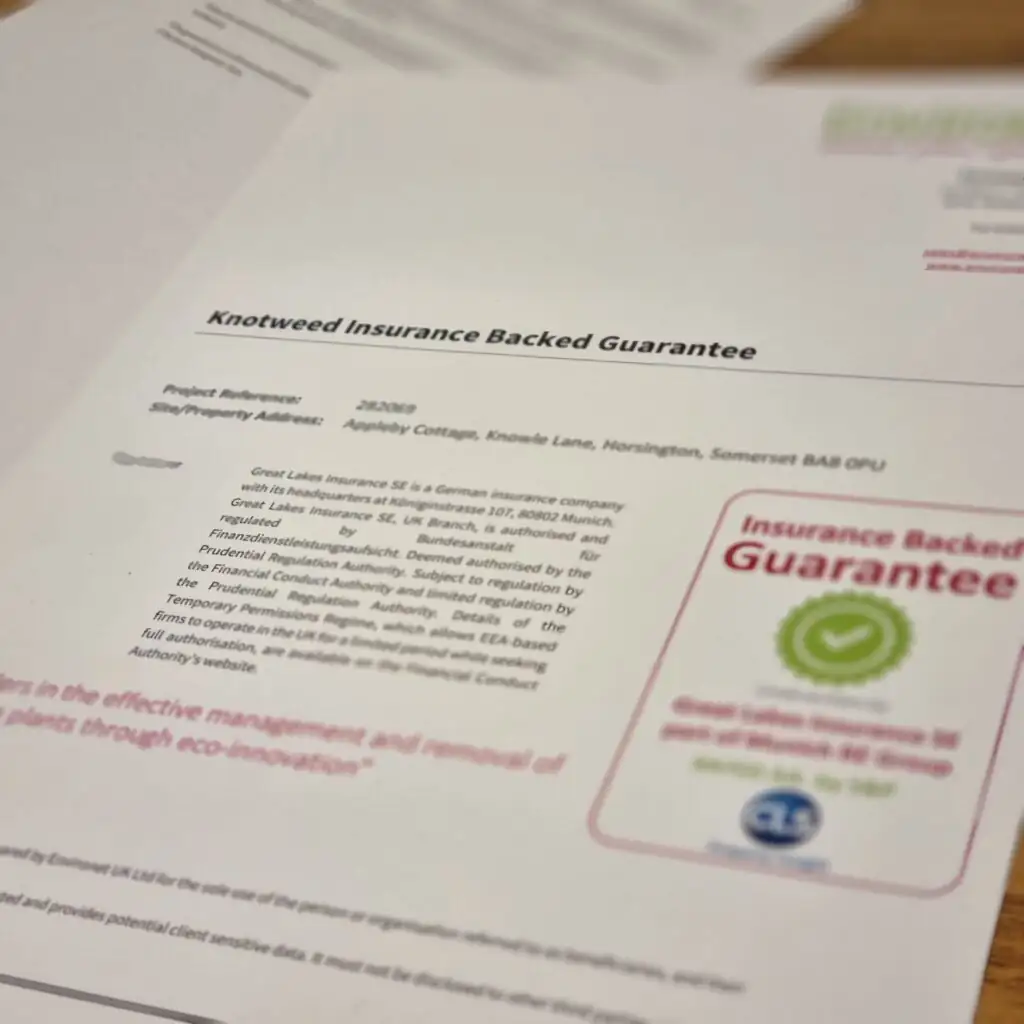
Insurance-backed guarantees
We offer market-leading insurance-backed guarantees:
- underwritten by an AA- rated insurer
- accepted by all major banks and lenders
- cover up to £100,000 (higher by arrangement)
- effective immediately after our first visit
- transferable to new property owners
- no excess charges
- minimal restrictions compared with typical IBGs
Guarantees are available for 5 or 10 years and can cover specific areas or the entire property.
Identification and surveys
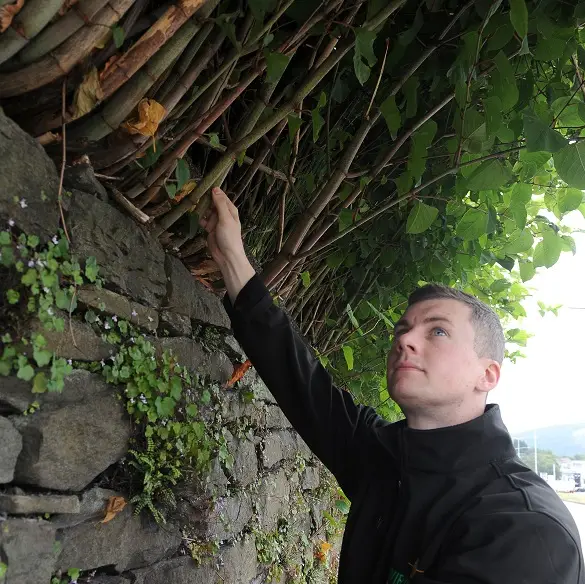
Accurate identification is critical. Use our online resources or our free identification service.
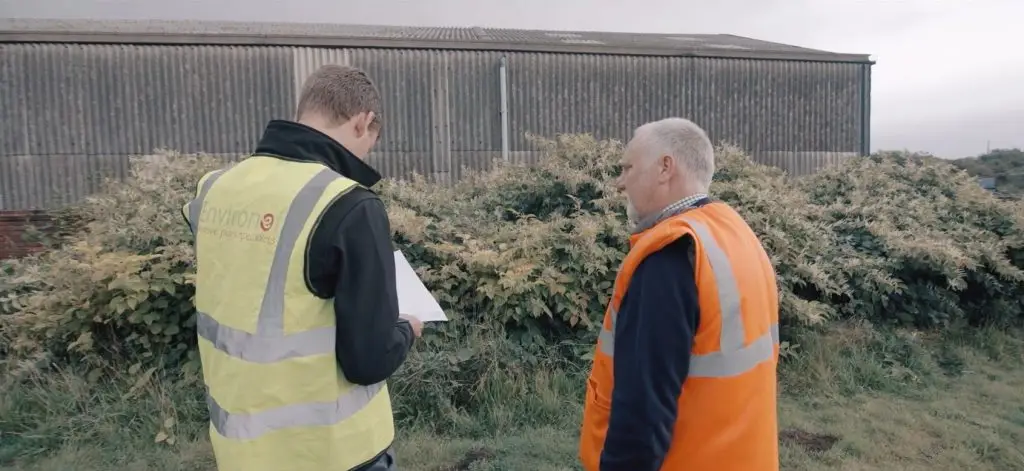
A professional survey allows us to:
- confirm species and maturity
- assess the extent of rhizome spread
- determine ground and access conditions
- prepare a Japanese knotweed management plan (JKMP)
- recommend the most suitable commercial method
Case studies

Remediation Case Study: Japanese knotweed removal – Rotherham
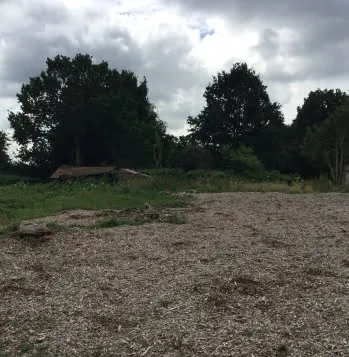
Dig & Dump, West Sussex
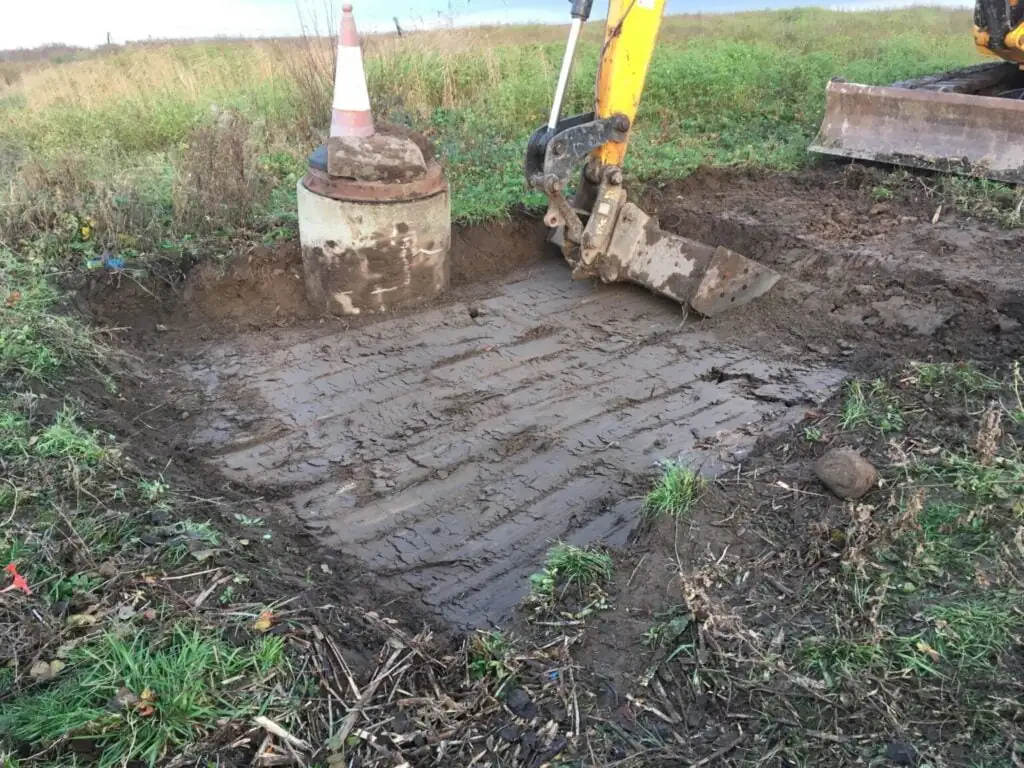
Excavation & treatment, Bridgend
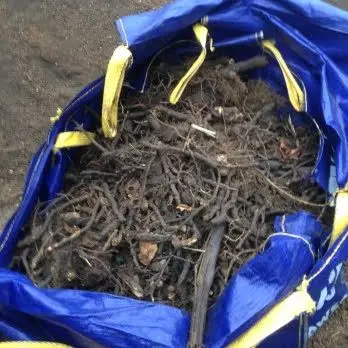
Xtract™, Folkestone
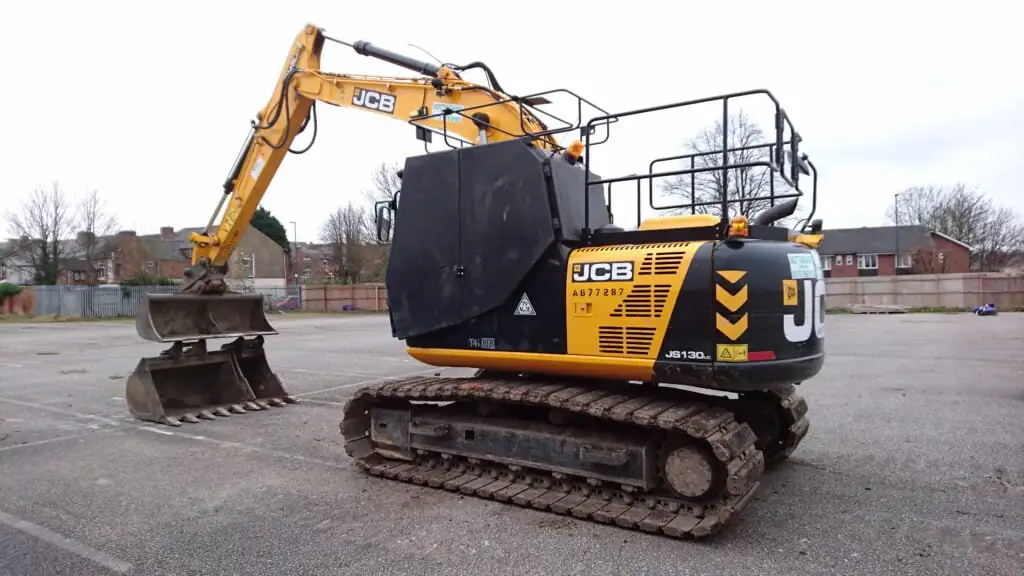
Xtract™, Derby
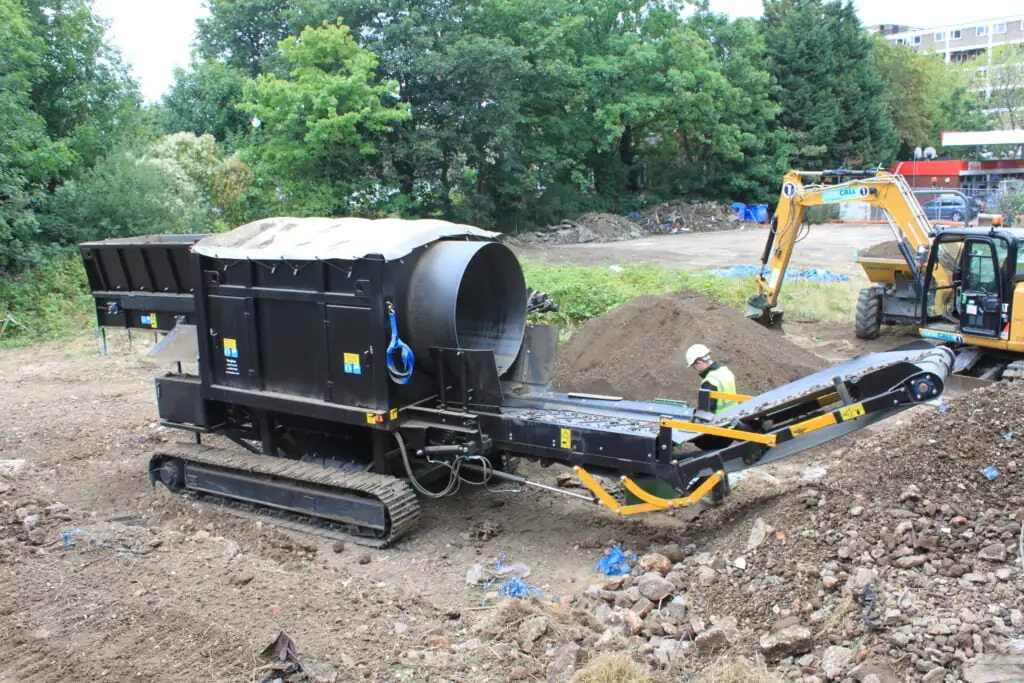
Xtract™, Putney
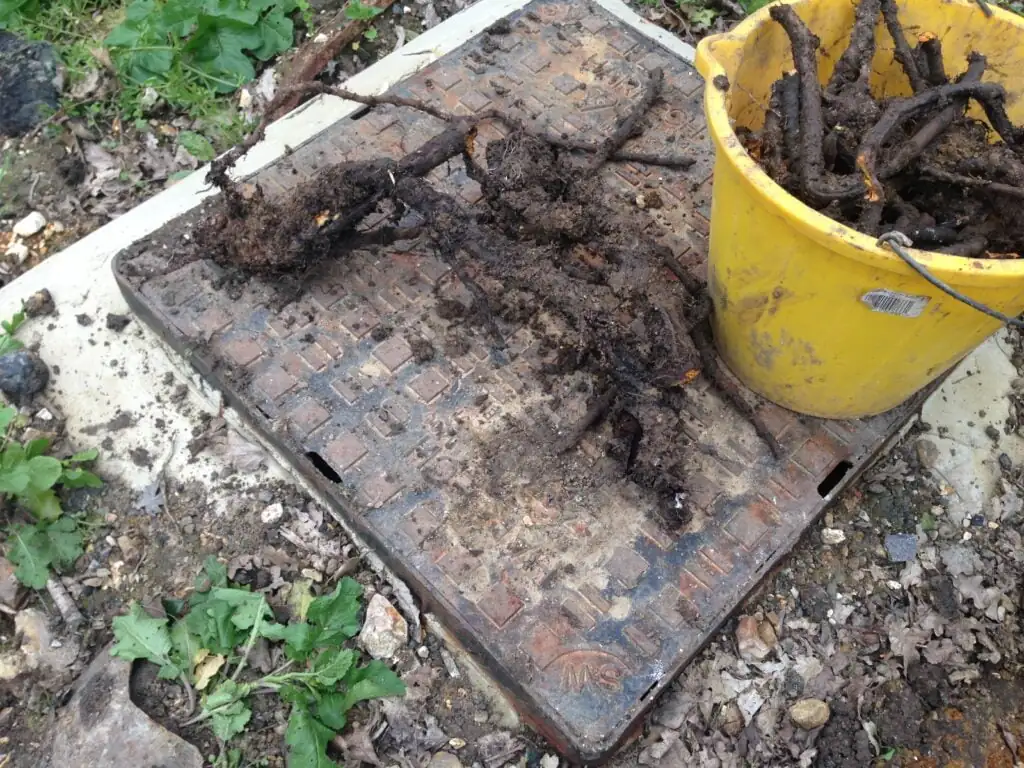
Xtract™, Axminster
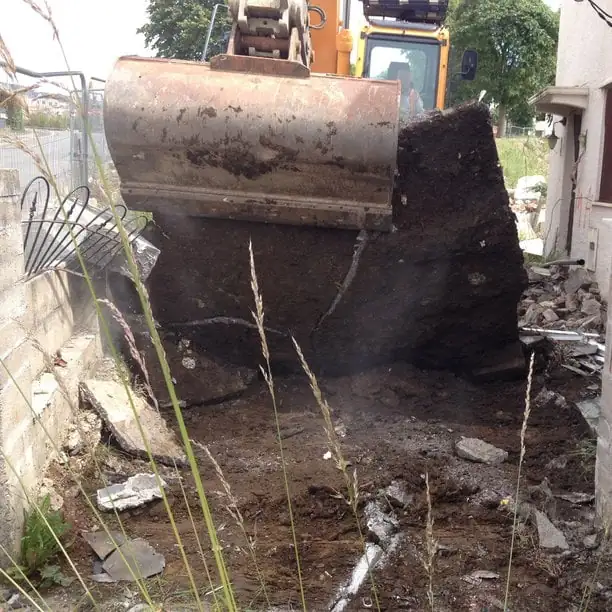
Xtract™, Plymouth
Accreditations
Our team and processes meet industry and safety standards, supported by:
- SafeContractor
- Constructionline
- SSIP
- PCA membership
- CITB training
- formal risk assessment processes


Consultancy and additional services
We also offer:
These services support full site preparation for development.


Japanese knotweed Developer FAQs
No, but it is illegal to cause it to spread on or off site. This includes accidental spread during excavation, soil movement or groundworks.
Learn more about legal compliance on our site supervision page.
Yes — but normally only if you have a professional survey, a JKMP, and an insurance-backed guarantee in place.
Xtract™ removes viable rhizome in days and avoids landfill.
If Xtract™ is not suitable, the next fastest option is dig and dump.
When the ground will be disturbed. Herbicide is a control method, not a construction-ready solution.
See herbicide treatment for details.
Typically 2–3 metres deep with lateral spread of up to 7 metres, depending on site conditions.
See excavation methods for suitable solutions.
- delays to the construction programme
- unplanned remediation costs
- spread into clean areas
- legal claims for encroachment
- potential criminal liability
Learn more on our commercial removal page.
Yes, but only if rhizome has been properly removed using Xtract™ or screening.
Reused soil must remain on site.
Yes. We provide 5 or 10 year insurance-backed guarantees, underwritten by an AA- rated insurer and accepted by all major lenders.
Yes, unless contained and addressed immediately. For help with on-site control and compliance, see site supervision.
Often, yes. Many excavation-based solutions, including Xtract™, can qualify.
Discuss options during your survey.
Start fixing your invasive plant problem today by requesting a survey
Request a survey
Rest assured, where invasive species are identified at an early stage and tackled correctly, problems can usually be avoided. Our specialist consultants complete thorough surveys to identify the extent of the problem. Our plans aren’t one-size-fits-all; they’re customised to tackle the invasive species at your property effectively, taking account of all of your requirements.
GET IN TOUCH
Contact us
Our team of experts is available between 9am and 5:30pm, Monday to Friday to answer your enquiries and advise you on the next steps
Want a survey?
If you already know you have an invasive plant problem, you can request a survey online in less than two minutes by providing a few brief details. A member of the team will swiftly come back to you with further information and our availability.
Need quick plant identification?
Simply upload a few images of your problem plant to our identification form and one of our invasive plant experts will take a look and let you know, free of charge what you are dealing with. We’ll also be there to help with next steps where necessary.