

 Skip to content
 The Environment Agency (EA) has an important regulatory role in how Japanese knotweed is managed in England. Although the Environment Agency will not intervene in neighbour disputes or require homeowners to remove the plant, it sets the framework that governs how knotweed is classified, transported, and disposed of.
For property owners, developers, and contractors, understanding the EA’s expectations is essential. Mismanaging knotweed can lead to environmental damage, legal breaches, and costly consequences.
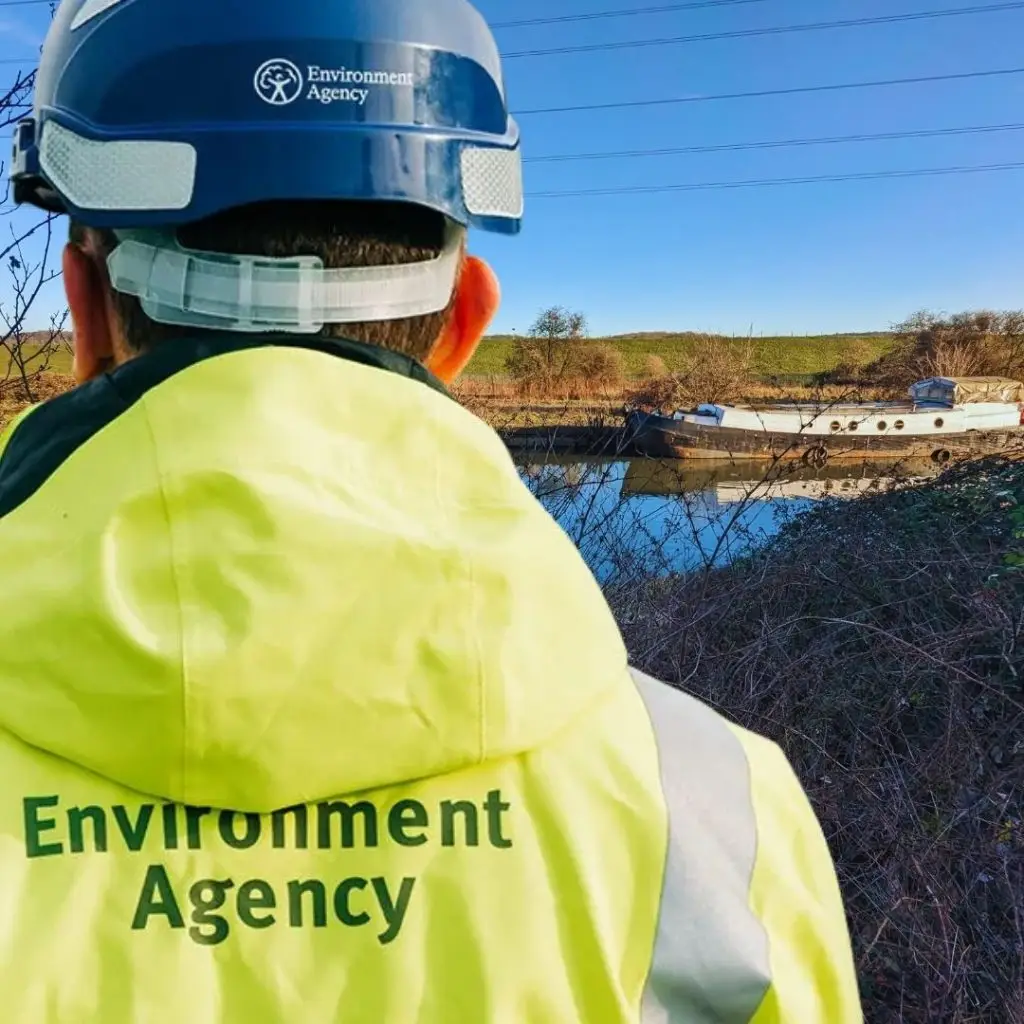
The central responsibility of the Environment Agency is to protect the environment and ensure that controlled waste is managed safely. Japanese knotweed is a highly invasive species capable of spreading through tiny fragments of rhizome. Once disturbed and removed from the ground, it becomes controlled waste, and from that point onwards, the Environment Agency’s rules apply.
This regulatory oversight matters because accidental spread is still one of the most common causes of new knotweed infestations. If the waste is dumped illegally, placed in a green waste bin, or taken to a non-permitted facility, it can cause serious environmental harm.
The Environment Agency’s guidance provides the standards necessary to prevent this, helping ensure that knotweed is managed responsibly across England.
The Environment Agency classifies Japanese knotweed material and any soil containing rhizome as controlled waste under the Environmental Protection Act 1990. This is a key point for property owners. Once classified as controlled waste, knotweed cannot be taken to a standard recycling centre. Instead, strict handling, transport, and disposal rules must be followed.
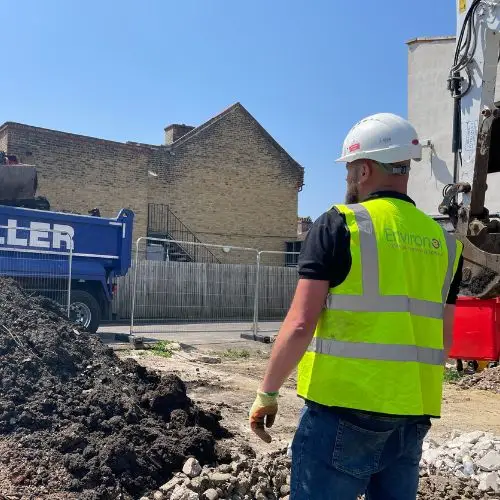

Even a small piece of rhizome can regenerate into a full plant. The controlled waste classification exists to ensure that anyone handling knotweed waste takes care to prevent accidental spread. This protects neighbouring land, reduces environmental damage, and prevents future disputes between landowners.
Only waste carriers registered with the Environment Agency may legally transport knotweed waste. This rule prevents unqualified individuals from moving material that could easily cause new infestations if mishandled. For homeowners, the responsibility does not end once a contractor is hired. You must ensure your chosen contractor is properly registered, or you risk legal liability.
Every movement of knotweed waste must be recorded with a waste transfer note. This document details what the waste is, who is transporting it, and where it is being disposed of. A complete chain of custody is vital. It protects you during future property transactions and provides evidence of lawful disposal if the Environment Agency ever investigates a waste incident.


Certain landfill sites are licensed by the Environment Agency to accept invasive plant waste. These are the only facilities legally permitted to receive Japanese knotweed material. Once delivered, the waste is handled in controlled conditions to ensure no further spread occurs.
For property owners and developers, using a licensed site provides legal certainty and protects against future liability.
Burying knotweed on site can be permitted in some situations, but strict rules apply. The Environment Agency requires the waste to be buried at least two metres deep and fully encapsulated in a durable root barrier membrane.
The burial location must not be disturbed in future. Local planning authorities may require approval before burial takes place. This method must be undertaken by specialists with training in knotweed containment.
Burning Japanese knotweed is tightly regulated. While incineration is allowed in certain circumstances, the fire must reach temperatures high enough to completely destroy the plant.
The Environment Agency places additional emphasis on work carried out near rivers, streams, canals, and drainage channels. Knotweed rhizome can easily move downstream and establish new colonies far from its original source. Developers working near water must take extra precautions to prevent soil and plant fragments from entering the watercourse.
Failure to follow this guidance can lead to enforcement action, fines, and remediation obligations. The Agency’s advice sets out how excavation, containment, and transport should be carried out in these high-risk areas.


There are several areas where the role of the EA is often misunderstood. It does not carry out Japanese knotweed removal, does not mediate in private disputes, and does not require homeowners to eradicate the plant.
Its role is regulatory rather than operational. Enforcement is focused on incidents that cause environmental harm, breaches of waste rules, or unauthorised disposal.
Most homeowners and developers choose to work with a professional Japanese knotweed contractor because of the complexity of Environment Agency rules. Environet ensures full compliance by providing:
Using a specialist not only ensures compliance, it also provides documentation that becomes essential when selling or refinancing your home. Buyers, surveyors, and lenders will expect evidence that knotweed has been managed by a recognised professional. Compliance with Environment Agency requirements is a major part of that reassurance.
Resources and further guidance


Yes. The Environment Agency classifies Japanese knotweed material and contaminated soil as controlled waste, which must be transported and disposed of at licensed facilities.
No. The Environment Agency does not intervene in private property issues or neighbour disputes. Its role is regulatory and focused on preventing environmental harm.
Yes. Only registered waste carriers can legally transport knotweed waste. The Environment Agency maintains the register of approved carriers.
Rest assured, where invasive species are identified at an early stage and tackled correctly, problems can usually be avoided. Our specialist consultants complete thorough surveys to identify the extent of the problem. Our plans aren’t one-size-fits-all; they’re customised to tackle the invasive species at your property effectively, taking account of all of your requirements.
Our team of experts is available between 9am and 5:30pm, Monday to Friday to answer your enquiries and advise you on the next steps
Want a survey?
If you already know you have an invasive plant problem, you can request a survey online in less than two minutes by providing a few brief details. A member of the team will swiftly come back to you with further information and our availability.
Need quick plant identification?
Simply upload a few images of your problem plant to our identification form and one of our invasive plant experts will take a look and let you know, free of charge what you are dealing with. We’ll also be there to help with next steps where necessary.