

 Skip to content
 The Royal Institution of Chartered Surveyors (RICS) plays an important role in shaping how the property sector understands and assesses Japanese knotweed. For many years, mortgage lenders, surveyors and property professionals relied on RICS guidance to determine the risks knotweed posed to a home and whether it affected lending decisions. Although the science has evolved and RICS has revised its approach, surveyors still use its framework to identify knotweed, consider its impact and advise buyers and lenders appropriately.
This guide explains the relationship between RICS and Japanese knotweed, how its guidance has changed, how surveyors currently assess the plant and what this means for homeowners, sellers and buyers.

RICS is the leading professional body for surveyors in the UK. Its guidance notes shape best practice for residential surveys and valuations. When RICS issues a standard, lenders and insurers tend to follow it. This gives its approach to Japanese knotweed considerable weight within the property market.
For many homeowners, their first awareness of knotweed comes from a survey report during a sale or purchase. The surveyor’s comments are often informed by RICS guidance, which means understanding this framework is important for anyone dealing with knotweed.
For several years, RICS used a Risk Assessment Framework that categorised knotweed into four levels based on its proximity to habitable space. The framework placed significant emphasis on the distance between the plant and the property. For example, knotweed growing within seven metres of a building automatically triggered greater concern and often affected lending decisions.
Under this system, even small or historic infestations could cause surveyors to recommend further investigation or treatment plans. Although operationally simple, this distance-based model came under increasing criticism for being overly cautious and not fully aligned with updated research into the structural risks posed by knotweed.

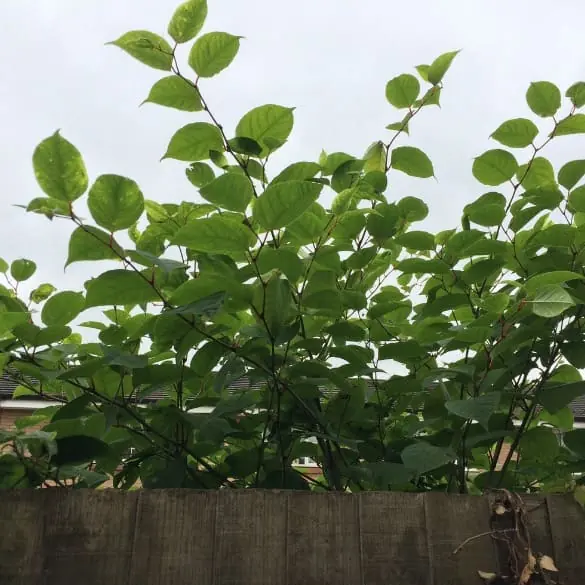
Advances in research demonstrated that the plant’s ability to cause structural damage was less severe than previously feared. While knotweed can exploit existing weaknesses, it does not generally penetrate intact foundations. The original seven metre rule began to look outdated, often causing unnecessary alarm and affecting property transactions where the actual risk was minimal.
Mortgage lenders and legal professionals also noted inconsistencies in how surveyors applied the framework. RICS recognised the need for a more nuanced, evidence-based approach.


Surveyors now take a more balanced and practical approach. They evaluate:
Presence and identification
The surveyor identifies any visible knotweed on or near the property. In many cases they recommend a specialist survey for confirmation.
Impact on amenity
The emphasis is now on whether the knotweed restricts the enjoyment or use of outside space. Dense or rapidly spreading growth is more likely to be flagged.
Potential for damage
Surveyors consider whether knotweed is exploiting existing defects in walls, paths or fences. They note issues that require repair but focus on evidence rather than assumptions.
Location and containment
Plants close to boundaries may indicate encroachment from neighbouring land. Surveyors will often advise establishing the source of the infestation.
Existing management
If a professional plan is in place with an insurance backed guarantee, surveyors report this positively, reassuring lenders that the issue is under control.
Most major lenders use RICS guidance to inform their lending policies. The revised approach means:
This has reduced unnecessary barriers to buying and selling homes where knotweed is present but well controlled.
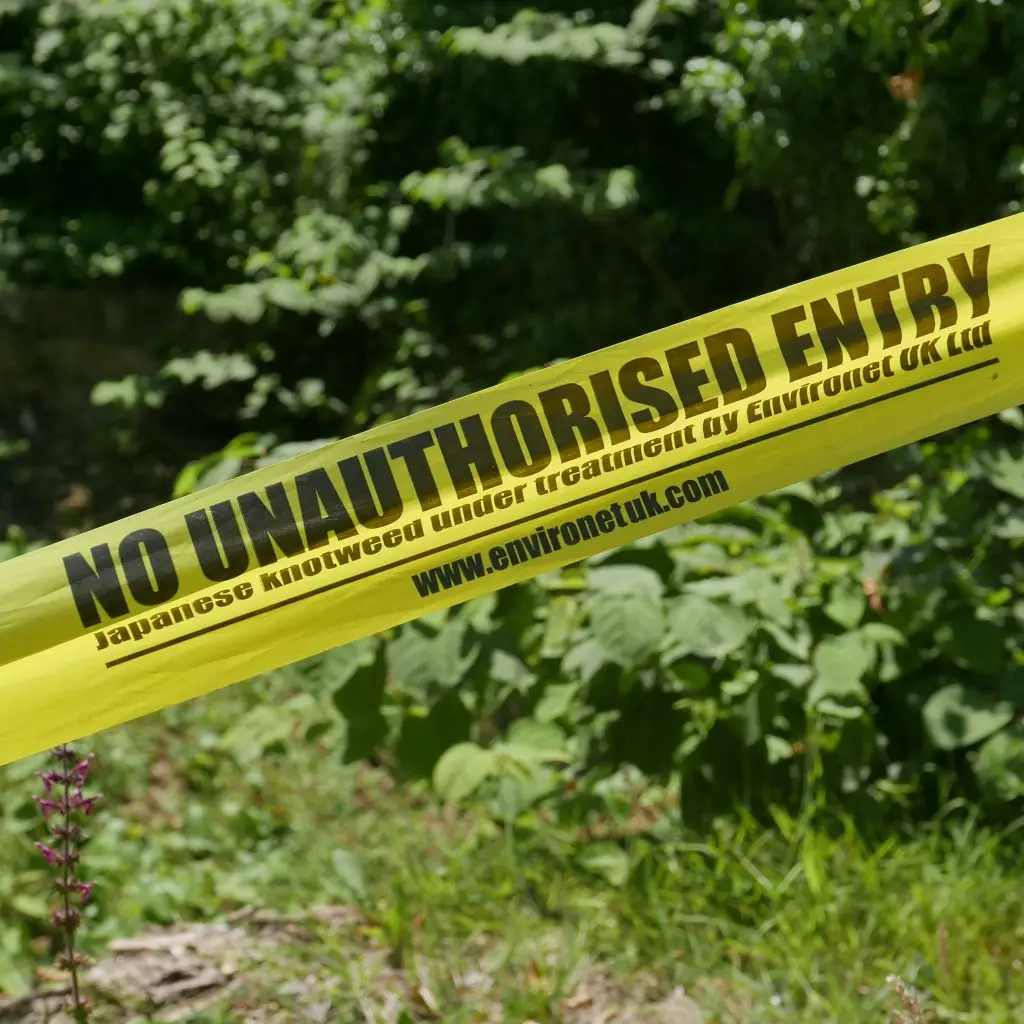

If you are selling a property, understanding RICS guidance gives you confidence in how surveyors and lenders will view your situation. A professional knotweed survey and management plan helps ensure the survey process goes smoothly.
If you are buying, a surveyor’s comments about knotweed should not automatically cause alarm. Instead, they should guide you toward obtaining a specialist assessment so that you understand the severity of the issue and any associated costs.


RICS guidance also matters in legal disputes. Courts often look at whether parties acted reasonably, and following recognised professional standards is part of this.
If a seller or surveyor ignored clear evidence of knotweed or failed to follow best practice, this may influence the outcome of misrepresentation or encroachment claims.
We regularly assist homeowners, buyers, lenders and legal professionals who need clarity or supporting evidence. Our services include:
By providing clear, reliable and professionally recognised documentation, we help ensure the RICS survey process does not delay a sale or disrupt a purchase.
If you have identified Japanese knotweed in your garden, contact our expert team at Environet to find out how we can help.
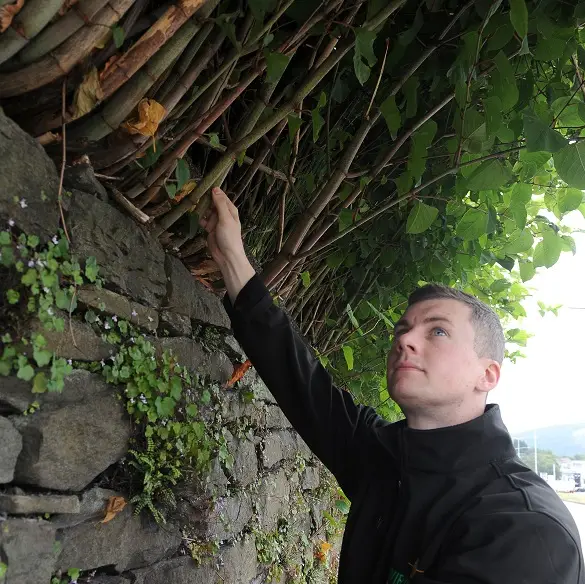

Rest assured, where invasive species are identified at an early stage and tackled correctly, problems can usually be avoided. Our specialist consultants complete thorough surveys to identify the extent of the problem. Our plans aren’t one-size-fits-all; they’re customised to tackle the invasive species at your property effectively, taking account of all of your requirements.
Our team of experts is available between 9am and 5:30pm, Monday to Friday to answer your enquiries and advise you on the next steps
Want a survey?
If you already know you have an invasive plant problem, you can request a survey online in less than two minutes by providing a few brief details. A member of the team will swiftly come back to you with further information and our availability.
Need quick plant identification?
Simply upload a few images of your problem plant to our identification form and one of our invasive plant experts will take a look and let you know, free of charge what you are dealing with. We’ll also be there to help with next steps where necessary.