

 Skip to content
 For housing associations, Japanese knotweed is rarely a single-plot issue. It is usually encountered across multiple properties, shared boundaries, communal land, or legacy sites where historic management decisions continue to carry risk.
The challenge is not simply removal. It is managing legal responsibility, tenant safety, reputational exposure, and long-term cost across an asset portfolio.
This guidance is written from a delivery perspective, reflecting how knotweed issues typically arise and are resolved in social and affordable housing environments.

Housing associations face a different risk profile to private homeowners. In practice, knotweed can affect:
We commonly see problems escalate where knotweed is treated as a minor grounds issue rather than a regulated invasive species with statutory consequences. A failure to keep proper records and ensure suitable and sufficient management is all too common, resulting in heightened risk of litigation.
Housing associations have clear obligations where Japanese knotweed is present:
Failure to act can expose an organisation to:
Knotweed is not illegal to have, but allowing it to spread or ignoring known infestations is where liability arises.


Knotweed issues often surface through tenant reports. Common triggers include:
Where complaints escalate, the key question is usually whether the housing association acted promptly, proportionately and with expert input once aware of the issue.
Documented surveys and management plans are critical evidence in these situations.
Many of the most complex cases involve:
We regularly see delays where ownership boundaries are unclear or where infestations straddle multiple titles.
Early mapping and clear delineation of responsibility usually saves time and cost later.


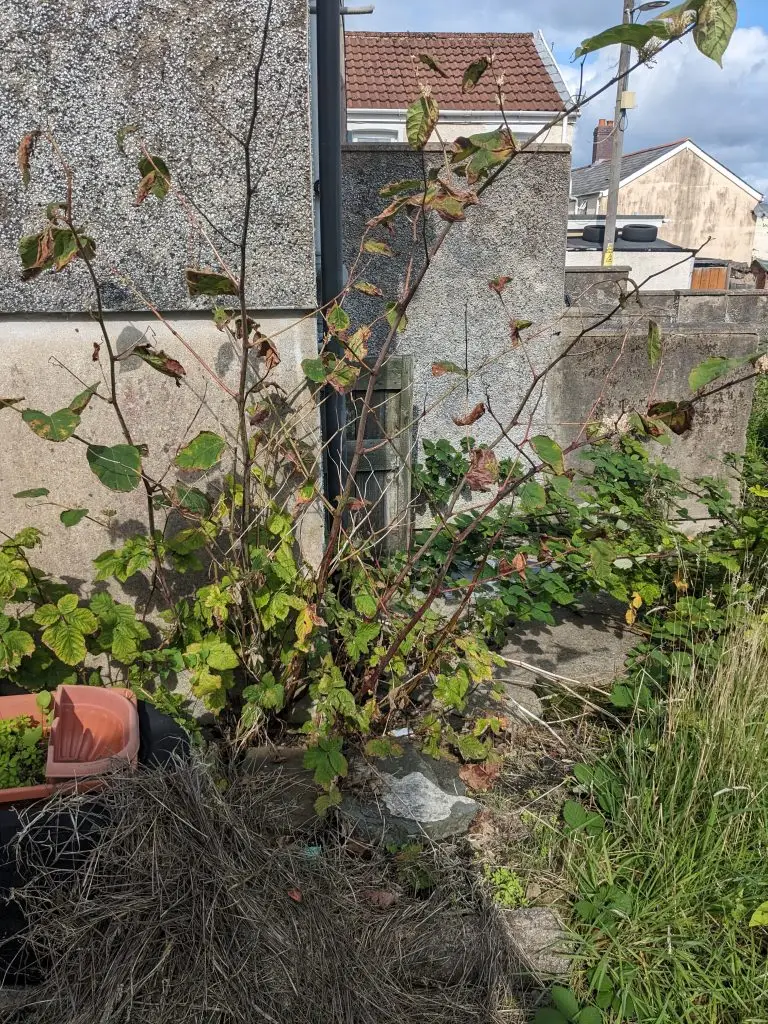
Japanese knotweed is frequently missed during routine inspections, particularly outside the growing season.
On active programmes we often see:
Integrating knotweed awareness into stock condition surveys and pre-works checks reduces disruption and programme risk.
The appropriate approach depends on scale, location and future use of the land.
In practice:
Consistency of approach across sites is important, particularly where multiple contractors or managing agents are involved.

Housing associations are frequently required to demonstrate:
Clear records are essential, including:
This documentation becomes particularly important during:
Many issues arise where contractors are not briefed properly or where invasive species responsibilities are unclear.
Common failures include:
Clear protocols and pre-start checks reduce these risks significantly.

Early specialist involvement is strongly advised where:
Proactive management is almost always more defensible and cost-effective than reactive response.
For housing associations managing knotweed across residential or mixed-use stock, the priority is control, documentation and consistency.
Relevant next pages:

Rest assured, where invasive species are identified at an early stage and tackled correctly, problems can usually be avoided. Our specialist consultants complete thorough surveys to identify the extent of the problem. Our plans aren’t one-size-fits-all; they’re customised to tackle the invasive species at your property effectively, taking account of all of your requirements.
Our team of experts is available between 9am and 5:30pm, Monday to Friday to answer your enquiries and advise you on the next steps
Want a survey?
If you already know you have an invasive plant problem, you can request a survey online in less than two minutes by providing a few brief details. A member of the team will swiftly come back to you with further information and our availability.
Need quick plant identification?
Simply upload a few images of your problem plant to our identification form and one of our invasive plant experts will take a look and let you know, free of charge what you are dealing with. We’ll also be there to help with next steps where necessary.