

 Skip to content
 For landlords, Japanese knotweed is not just a property issue. It is a management, liability and tenant relations issue, often complicated by access, timing and the condition of the site when it was acquired.
We regularly see knotweed cases escalate because landlords delay action, underestimate their responsibilities, or assume the problem will resolve itself. In practice, that approach almost always increases cost and risk.
This guidance is written from a field-delivery perspective, based on how knotweed issues actually play out across rented property portfolios.

Japanese knotweed can affect rental property in several ways:
While knotweed does not make a property uninhabitable by default, failure to manage it properly can quickly become a breach of duty.
Landlords are responsible for land they own or control, including gardens, boundaries and communal areas.
In practice this means:
If knotweed spreads to neighbouring land, landlords can face civil claims. If soil or plant material is mishandled, there is also potential exposure under environmental legislation.
Ignoring the issue once notified is where most landlords run into trouble.


Most landlord cases begin with a tenant reporting visible growth.
Common problems arise where:
From an evidence standpoint, documenting your response matters as much as the treatment itself. Surveys, correspondence and treatment records all help demonstrate that reasonable action was taken.
Knotweed does not respect ownership boundaries. We often see infestations originating:
Even where the source is unclear, landlords are still expected to manage what is within their control. Waiting for a neighbour to act first rarely ends well.

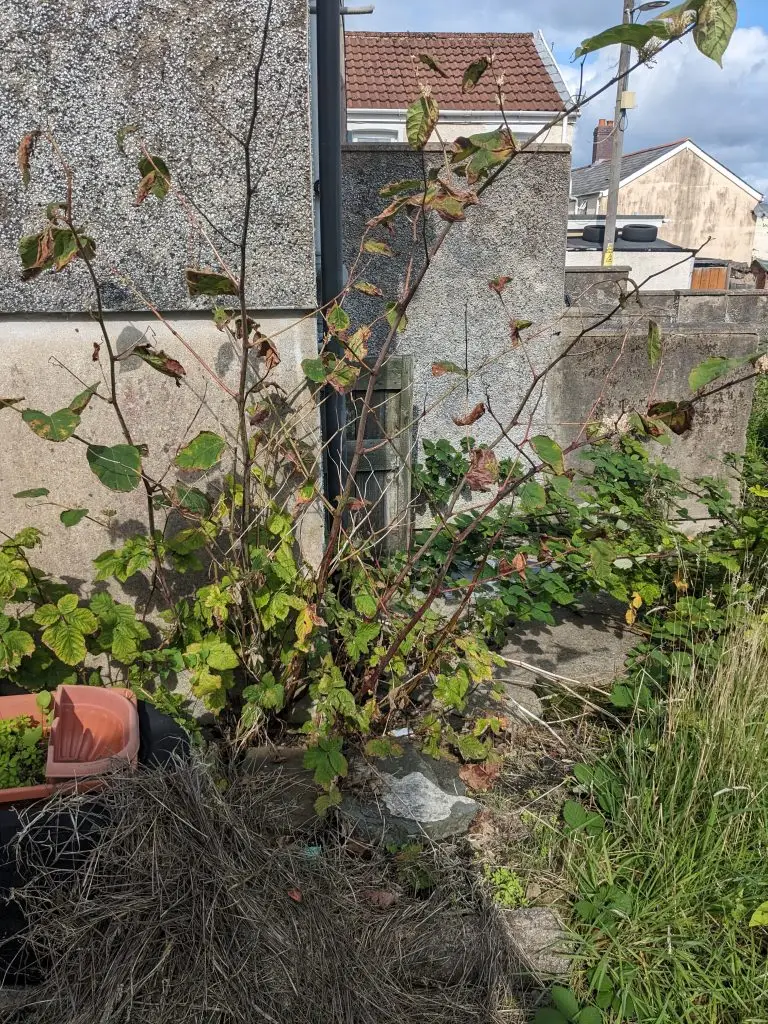
The right approach depends on:
In rented settings, staged herbicide programmes are common where immediate excavation would be disruptive. Where redevelopment or sale is planned, excavation-based solutions may be more appropriate.
Even if the property is currently let, landlords should think ahead.
We frequently deal with properties where:
Professional treatment records and insurance-backed guarantees can make the difference between a straightforward transaction and a failed sale.


Knotweed is often discovered during:
This is where costs escalate if the issue has not been identified in advance. Soil movement without assessment is one of the most common causes of accidental spread.
Briefing contractors properly and carrying out surveys before groundworks is critical.
Early specialist input is strongly recommended where:
Early action is almost always cheaper and easier to defend than reactive intervention.


If you are a landlord dealing with Japanese knotweed, the priority is control, documentation and proportionate action.
Useful next pages:
Rest assured, where invasive species are identified at an early stage and tackled correctly, problems can usually be avoided. Our specialist consultants complete thorough surveys to identify the extent of the problem. Our plans aren’t one-size-fits-all; they’re customised to tackle the invasive species at your property effectively, taking account of all of your requirements.
Our team of experts is available between 9am and 5:30pm, Monday to Friday to answer your enquiries and advise you on the next steps
Want a survey?
If you already know you have an invasive plant problem, you can request a survey online in less than two minutes by providing a few brief details. A member of the team will swiftly come back to you with further information and our availability.
Need quick plant identification?
Simply upload a few images of your problem plant to our identification form and one of our invasive plant experts will take a look and let you know, free of charge what you are dealing with. We’ll also be there to help with next steps where necessary.