

 Skip to content
 Japanese knotweed can have a significant impact on the value of development land. In most cases, the reduction in value reflects two elements:
The remediation cost is usually quantifiable. The risk is not, and this is where land value is most often lost. In our experience, sites with unmanaged or poorly understood knotweed risk attract conservative bids, extended due diligence, or fail to transact at all.

Where Japanese knotweed is present, typical value impacts arise from:
These factors are often priced into land offers long before remediation cost is fully understood.
Remediation cost is normally assessed on a worst-case basis, often assuming full excavation and off-site disposal to landfill. On development sites, this can amount to tens or hundreds of thousands of pounds, particularly where landfill tax, haulage, and import of clean fill are involved.
Risk, however, is subjective. It is shaped by:
On lower value land with extensive infestation, this perceived risk can render sites commercially marginal unless addressed early.


Awareness of Japanese knotweed is now widespread. A YouGov survey commissioned with Environet in 2017 found that 78 percent of UK homeowners would be reluctant to buy a property affected by knotweed.
While this data relates to residential purchasers, the same sentiment feeds into developer exit risk. Solicitors, lenders, and valuers increasingly scrutinise whether land was previously affected and how that risk was managed.
No single remediation method suits all sites. The choice has a direct impact on land value, programme certainty, and residual risk.
Herbicide is typically the lowest-cost option but comes with long timescales. Treatment usually requires multiple growing seasons and does not provide certainty that the rhizome system is dead.
It may be acceptable where:
For development land, herbicide alone is rarely value-optimising.
Full excavation and disposal to landfill is fast and effective but usually the most expensive option. Costs escalate rapidly due to landfill tax, haulage, and replacement materials.
This approach is often reserved for constrained sites where alternatives are not viable.
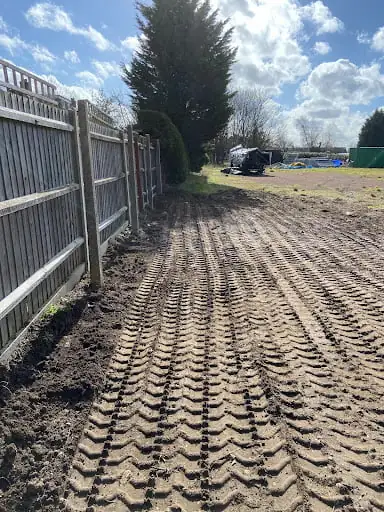
On suitable sites, on-site processing methods that remove viable rhizomes while retaining soil on site can materially improve viability.
These approaches:
Selecting the correct method is central to protecting land value.

Commissioning remediation does not eliminate all risk. Common issues that continue to affect value include:
These risks are manageable, but only where they are anticipated and documented.
Developers nearing completion are increasingly asked whether land was previously affected by Japanese knotweed. Failure to disclose accurately creates exposure to claims for remediation cost and diminution in value.
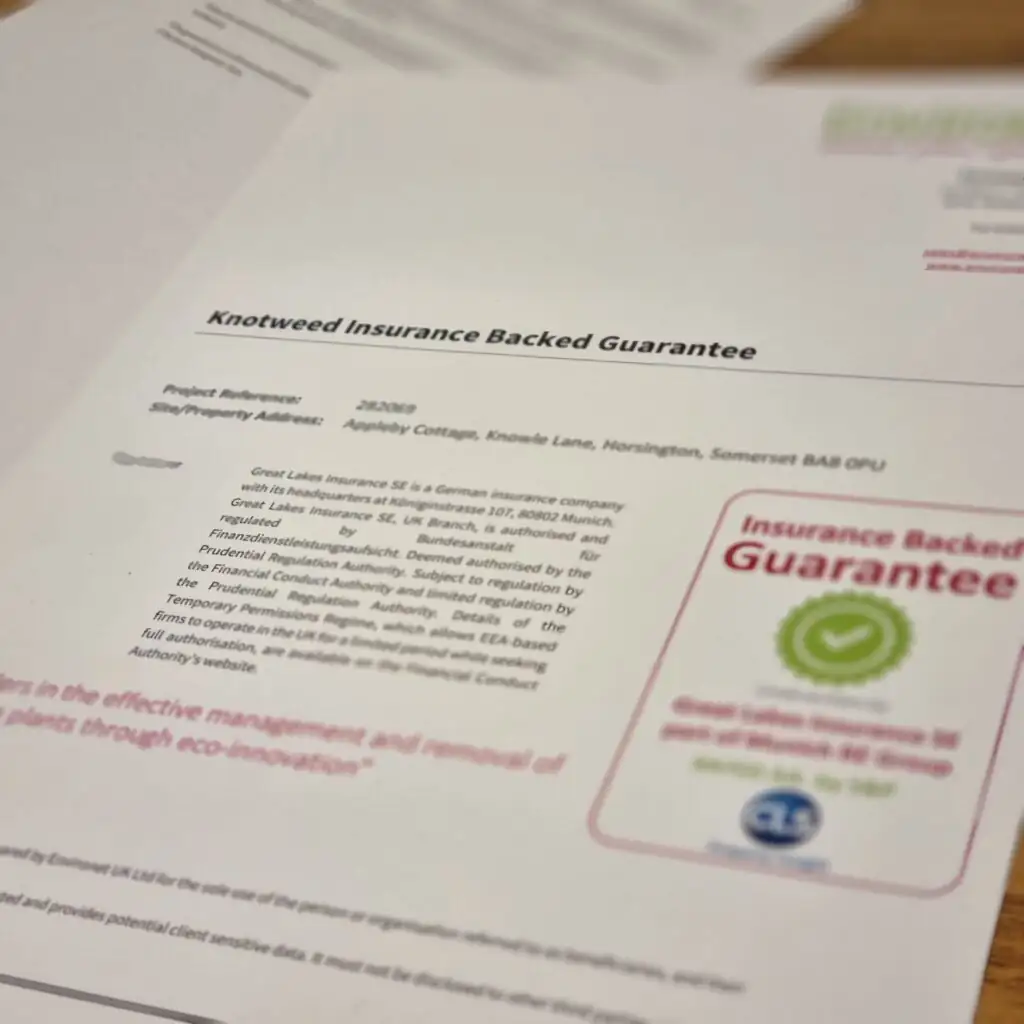
Where knotweed was present but has been properly managed, disclosure combined with a plot-specific insurance-backed guarantee provides a clear route to risk transfer. Without this, sales are frequently delayed or renegotiated.
In practice, land value is best protected where:
A specialist who understands development sequencing, lender requirements, and post-sale risk can materially influence outcomes.
Japanese knotweed does not automatically sterilise development land. Value is lost when risk is left unmanaged, poorly explained, or addressed too late in the process.
Early investigation, realistic remediation choices, and credible risk transfer mechanisms are what protect land value and keep transactions moving.

Rest assured, where invasive species are identified at an early stage and tackled correctly, problems can usually be avoided. Our specialist consultants complete thorough surveys to identify the extent of the problem. Our plans aren’t one-size-fits-all; they’re customised to tackle the invasive species at your property effectively, taking account of all of your requirements.
Our team of experts is available between 9am and 5:30pm, Monday to Friday to answer your enquiries and advise you on the next steps
Want a survey?
If you already know you have an invasive plant problem, you can request a survey online in less than two minutes by providing a few brief details. A member of the team will swiftly come back to you with further information and our availability.
Need quick plant identification?
Simply upload a few images of your problem plant to our identification form and one of our invasive plant experts will take a look and let you know, free of charge what you are dealing with. We’ll also be there to help with next steps where necessary.