

 Skip to content
 Japanese knotweed rarely confines itself neatly to ownership lines. On the ground, rhizomes frequently extend beneath fences, walls, highways, and watercourses, often without any visible growth above ground.
This is where many problems start.
We regularly see disputes arise not because knotweed exists, but because its movement across boundaries was ignored, underestimated, or addressed too late.
For background on how knotweed spreads and why subsurface growth creates risk, see our guide to Japanese knotweed identification:
https://www.environetuk.com/japanese-knotweed/identification
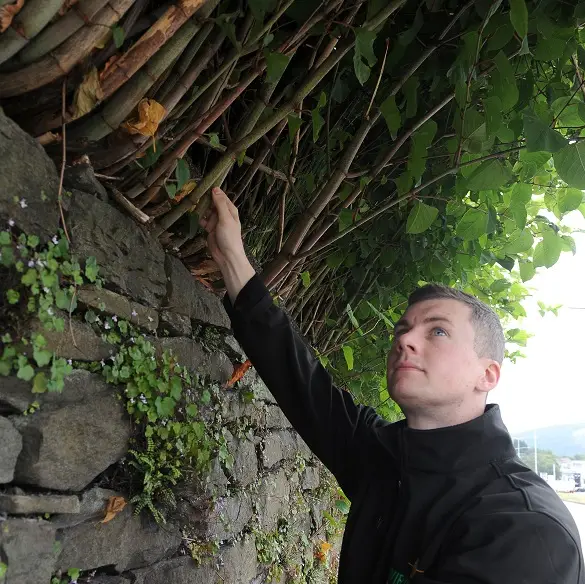
Encroachment occurs where Japanese knotweed spreads from one parcel of land into another. This can happen:
Importantly, encroachment does not require visible stems to cross a boundary. Subsurface rhizome spread alone is sufficient.
This is why reliance on visual checks alone, particularly during winter or following historic treatment, is unreliable. Where uncertainty exists, a professional assessment is the only defensible position.
Allowing Japanese knotweed to spread onto neighbouring land can expose a landowner or occupier to civil liability under private nuisance.
In practice, claims typically relate to:
We are increasingly seeing neighbours pursue formal claims, often supported by specialist reports and legal representation.
For an overview of statutory duties and civil exposure, see our legal guidance:
https://www.environetuk.com/japanese-knotweed/legal


From experience, neighbour-related issues most often occur where:
Once relations deteriorate, costs escalate quickly. At that stage, technical arguments tend to give way to legal ones.
On active development sites, neighbour risk is frequently underestimated.
Even where remediation is planned, neighbours may:
This is why knotweed strategy needs to be aligned with the wider development programme, rather than treated as a standalone issue.
https://www.environetuk.com/japanese-knotweed/removal/commercial


From a risk management perspective, early intervention is critical.
Best practice usually includes:
These steps provide a strong evidential defence if a claim is raised later and support smoother planning, funding, and conveyancing processes.
Where knotweed affects adjoining land, joint or coordinated treatment is often the most effective solution.
In practical terms, this:
This approach is particularly effective on residential boundaries and phased developments, where fragmented responsibility commonly causes problems.
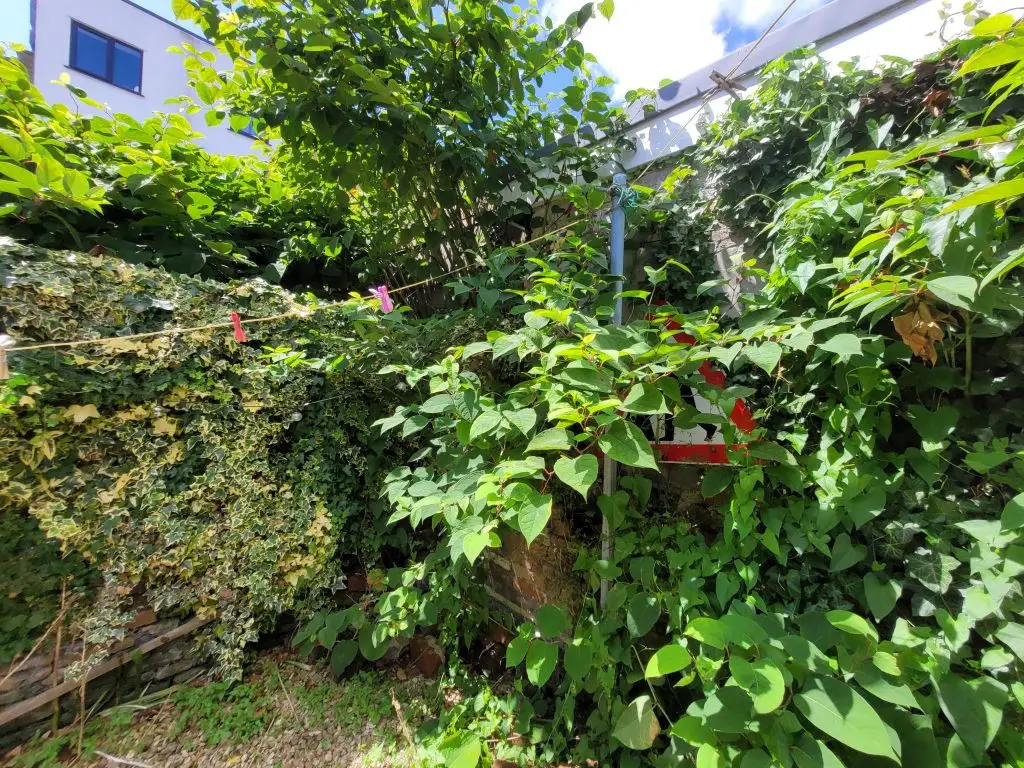

Across residential and commercial sites, the most frequent oversights include:
These are precisely the areas solicitors and experts scrutinise during conveyancing and dispute resolution.
Japanese knotweed issues between neighbours are rarely resolved well after the fact. Once positions harden, costs increase and options narrow.
A clear strategy, supported by professional survey, appropriate remediation, and proper documentation, provides the strongest protection for all parties involved.
Handled correctly, knotweed does not need to become a neighbour dispute. Handled poorly, it often does.

Rest assured, where invasive species are identified at an early stage and tackled correctly, problems can usually be avoided. Our specialist consultants complete thorough surveys to identify the extent of the problem. Our plans aren’t one-size-fits-all; they’re customised to tackle the invasive species at your property effectively, taking account of all of your requirements.
Our team of experts is available between 9am and 5:30pm, Monday to Friday to answer your enquiries and advise you on the next steps
Want a survey?
If you already know you have an invasive plant problem, you can request a survey online in less than two minutes by providing a few brief details. A member of the team will swiftly come back to you with further information and our availability.
Need quick plant identification?
Simply upload a few images of your problem plant to our identification form and one of our invasive plant experts will take a look and let you know, free of charge what you are dealing with. We’ll also be there to help with next steps where necessary.