

 Skip to content
 Cell burial is an on-site containment method for managing Japanese knotweed infested soil. Instead of removing the material from site, the contaminated soils are sealed within a fully enclosed, root-barrier-lined cell to prevent future spread.
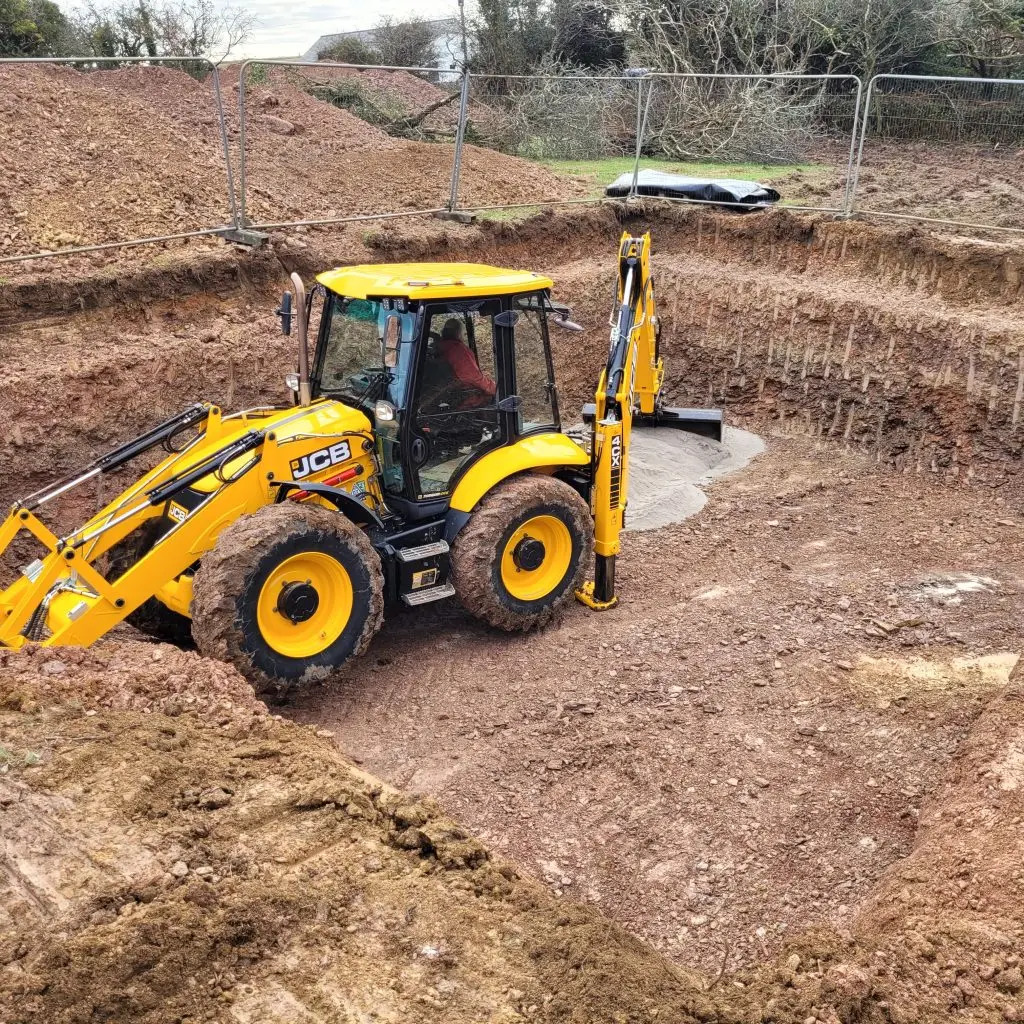
The process begins with the physical excavation and stockpiling of all soils containing viable rhizome. A burial pit is then constructed, typically around three to five metres deep, in a suitable non-critical area of the site.
The sequence is as follows:
A minimum of two metres of clean soil is placed over the containment cell, and any remaining clean material is used to backfill the previously infested area.
The success of cell burial depends entirely on the integrity of the membrane system. Any damage during installation or afterwards may allow rhizome escape. While often cheaper than disposing of infested soil off site, cell burial does not eliminate the knotweed; it simply contains it.
Two main factors determine whether cell burial is viable:
Where space is limited or permanent removal is required, alternative methods such as off-site disposal, or Xtract™ screening may be more suitable.

Rest assured, where invasive species are identified at an early stage and tackled correctly, problems can usually be avoided. Our specialist consultants complete thorough surveys to identify the extent of the problem. Our plans aren’t one-size-fits-all; they’re customised to tackle the invasive species at your property effectively, taking account of all of your requirements.
Our team of experts is available between 9am and 5:30pm, Monday to Friday to answer your enquiries and advise you on the next steps
Want a survey?
If you already know you have an invasive plant problem, you can request a survey online in less than two minutes by providing a few brief details. A member of the team will swiftly come back to you with further information and our availability.
Need quick plant identification?
Simply upload a few images of your problem plant to our identification form and one of our invasive plant experts will take a look and let you know, free of charge what you are dealing with. We’ll also be there to help with next steps where necessary.