
 Skip to content
Value reduction is rarely caused by knotweed alone. It is caused by the consequences of unmanaged risk, including:
Where these risks are unresolved, buyers discount aggressively or walk away entirely.
In practice, diminution is made up of two distinct elements.
This is the easiest part to quantify.
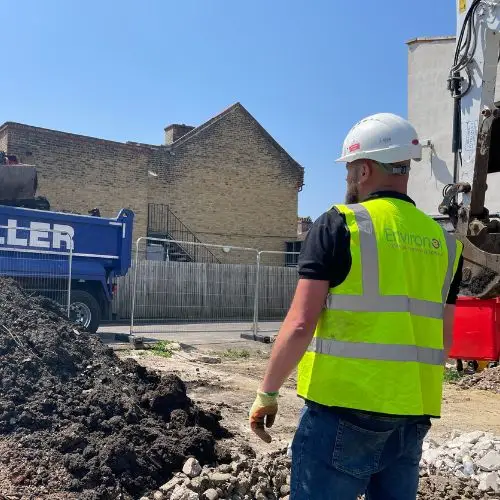
Buyers typically assume a worst-case remediation scenario, often defaulting to full excavation and off-site disposal, even where this is unnecessary.
On development land or constrained sites, this can run into tens or hundreds of thousands of pounds, particularly once landfill tax, haulage, replacement fill, and programme delay are included.
Until a specialist has surveyed the site and defined a viable strategy, this figure is usually overstated.
This is where value is really lost.
The risk premium reflects the buyer’s perception of:
Where uncertainty remains, buyers protect themselves by reducing their offer well beyond the actual remediation cost.
On low-value sites or marginal developments, this can render land effectively unviable.
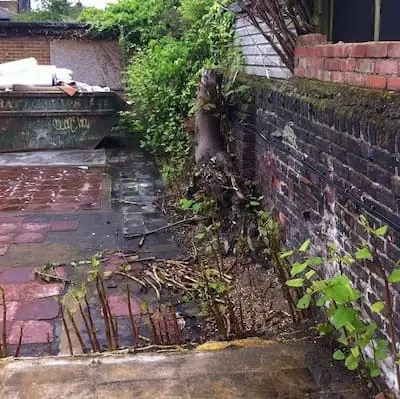
For residential transactions, value impact is driven primarily by lender confidence and buyer sentiment.
We commonly see the following patterns:
Where a professional management plan with an insurance-backed guarantee is in place, value is often largely preserved.
Where documentation is missing or informal, even small infestations can trigger disproportionate discounts.
On development land, Japanese knotweed is treated as a commercial risk, not a horticultural issue.
Typical value impacts arise from:
Buyers and funders price these risks conservatively unless they are actively managed and transferred.
A credible remediation strategy, delivered early, is often the difference between a viable and non-viable scheme.


Buyers assume the worst because experience tells them that:
In other words, uncertainty is expensive.
Value is protected not by hiding knotweed, but by removing uncertainty.
In practice this means:
Where this is in place, buyers price the land or property on its post-remediation condition, not on fear.
Learn more about maximising land value.

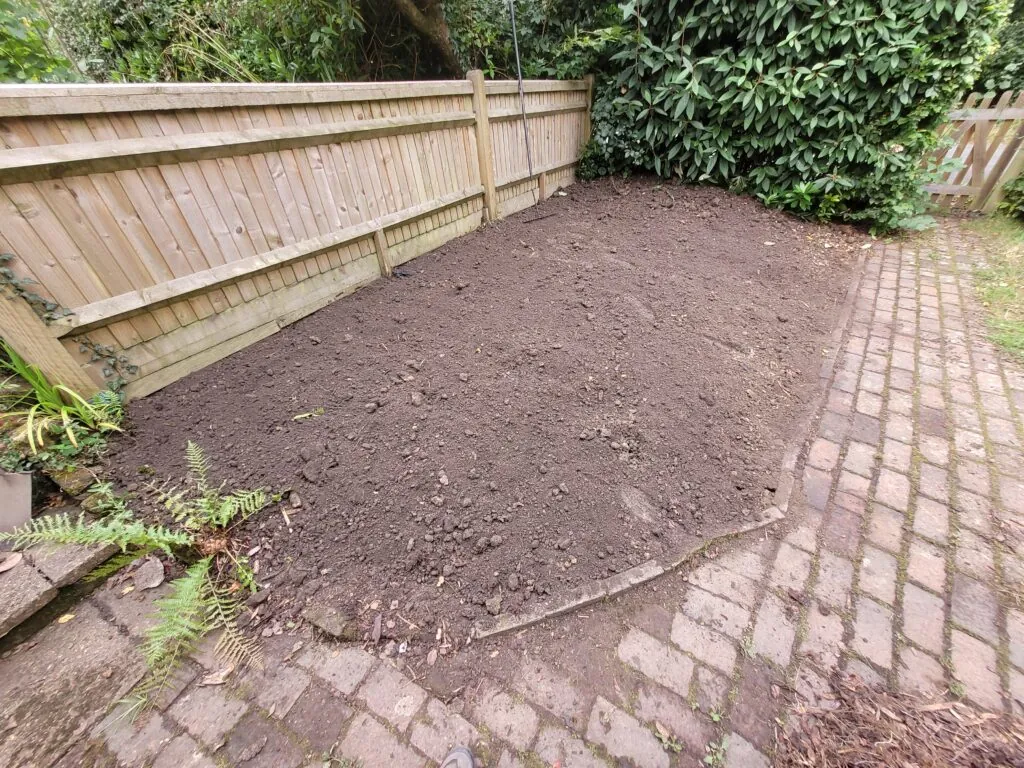
One of the most common misconceptions is that knotweed automatically causes a fixed percentage loss.
It does not.
Diminution varies widely depending on:
Two identical properties can experience very different outcomes depending on how the issue is handled.
For clients who need to quantify likely impact early, a diminution calculator can provide a realistic starting point.
Used properly, it helps:
Access to a professional Japanese knotweed house price diminution calculator is available by subscription and is widely used by property professionals assessing risk at feasibility stage.
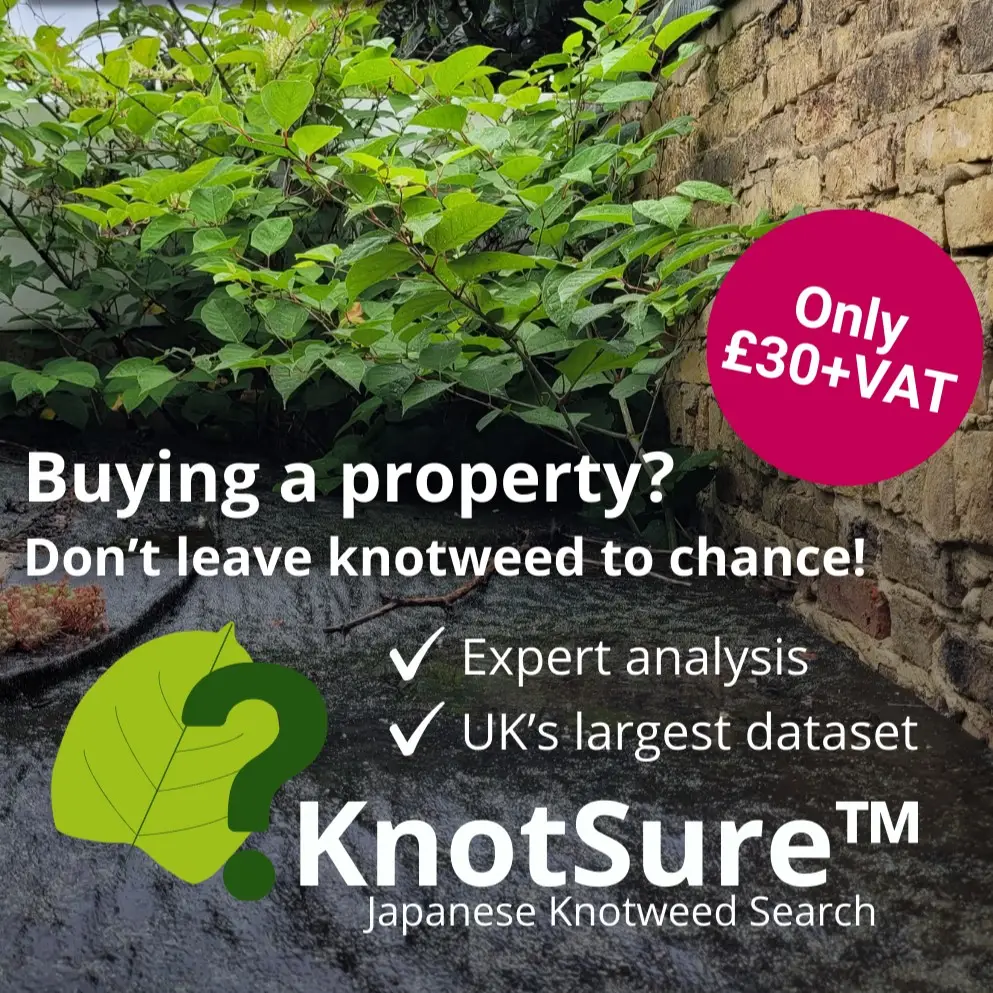
If you need an evidence-based indication of likely value impact, use KnotSureTM to assess exposure before committing to a strategy.

This page explains how and why value is affected.
It does not explain:
Those topics are addressed separately in our guide for valuers.
In our experience, value is most often lost when:
Early, structured intervention almost always costs less than late reaction.
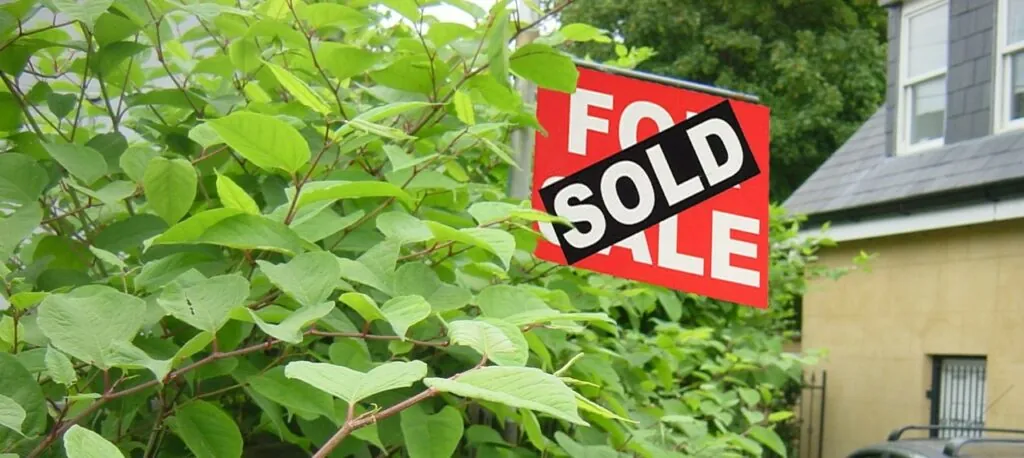

If you are buying, selling, or developing land affected by Japanese knotweed, value will be shaped long before contracts are exchanged.
A specialist can help you:
Handled properly, Japanese knotweed does not need to define the value of an asset.
Rest assured, where invasive species are identified at an early stage and tackled correctly, problems can usually be avoided. Our specialist consultants complete thorough surveys to identify the extent of the problem. Our plans aren’t one-size-fits-all; they’re customised to tackle the invasive species at your property effectively, taking account of all of your requirements.
Our team of experts is available between 9am and 5:30pm, Monday to Friday to answer your enquiries and advise you on the next steps
Want a survey?
If you already know you have an invasive plant problem, you can request a survey online in less than two minutes by providing a few brief details. A member of the team will swiftly come back to you with further information and our availability.
Need quick plant identification?
Simply upload a few images of your problem plant to our identification form and one of our invasive plant experts will take a look and let you know, free of charge what you are dealing with. We’ll also be there to help with next steps where necessary.