

 Skip to content
 For surveyors, Japanese knotweed is primarily an identification and reporting issue.
Professional exposure rarely arises because knotweed exists. It arises because:
We are frequently instructed following disputes where knotweed was either not identified during inspection or insufficiently reported, only to emerge later during transaction or groundworks.
Clear reporting language and recognition of inspection limitations are critical.
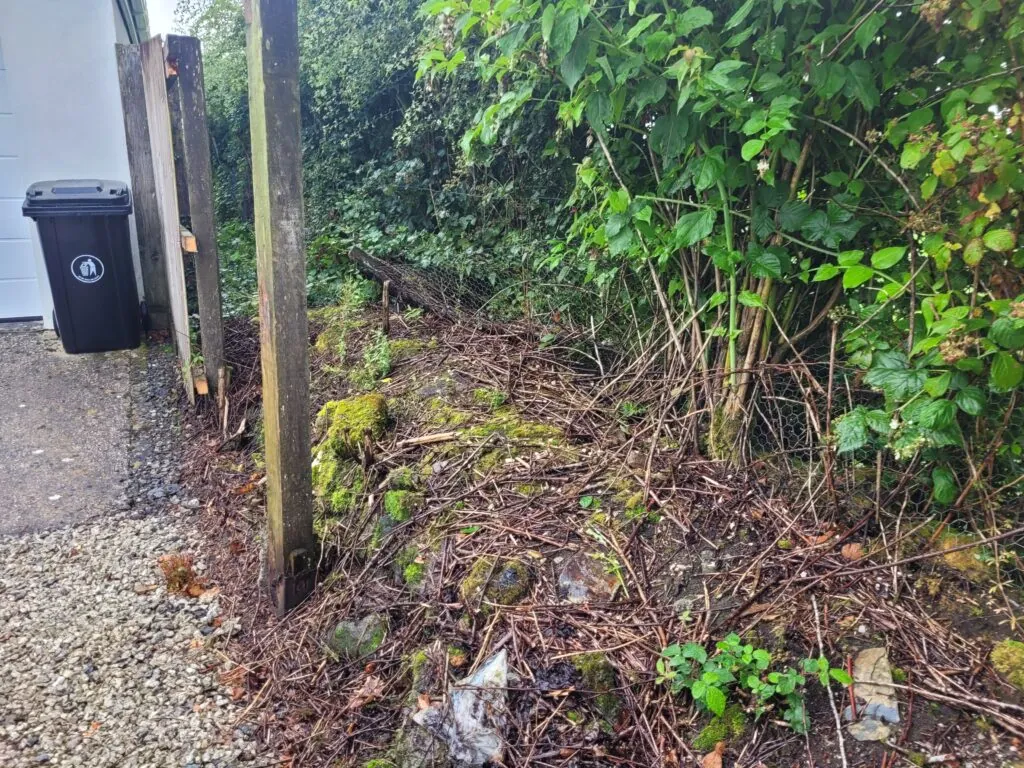
Japanese knotweed is not always obvious.
Common scenarios where it is missed include:
A visual inspection alone cannot confirm absence.
Surveyors should distinguish between:
The wording matters.
Dormancy creates particular reporting risk.
We often see sites where:
Above-ground absence does not confirm below-ground eradication.
Where history is unclear, recommending specialist inspection is usually the most defensible approach.


Survey reports should avoid absolute statements where evidence is incomplete.
Problematic phrases we commonly encounter include:
More defensible reporting typically includes:
Precision reduces ambiguity.
Surveyors should consider recommending further investigation where:
Early referral to a specialist often prevents future disputes.

Surveyors are frequently the first professionals to flag Japanese knotweed during residential transactions.
In practice, once identified:
Surveyors should focus on identification and risk recognition rather than remediation prescription.
The role is to identify potential concern, not design the solution.
On commercial sites and development land, inspection risk often arises during:
Late discovery during groundworks commonly leads to programme delay and cost escalation.
We are often instructed following acquisition where knotweed was not identified during due diligence and is then discovered during enabling works.


From practical experience supporting litigation and dispute cases, recurring issues include:
These are usually documentation issues rather than identification incompetence.
We work alongside building surveyors and inspection professionals to provide:
Our involvement is typically limited to confirming presence and advising on risk, allowing surveyors to maintain professional boundaries.
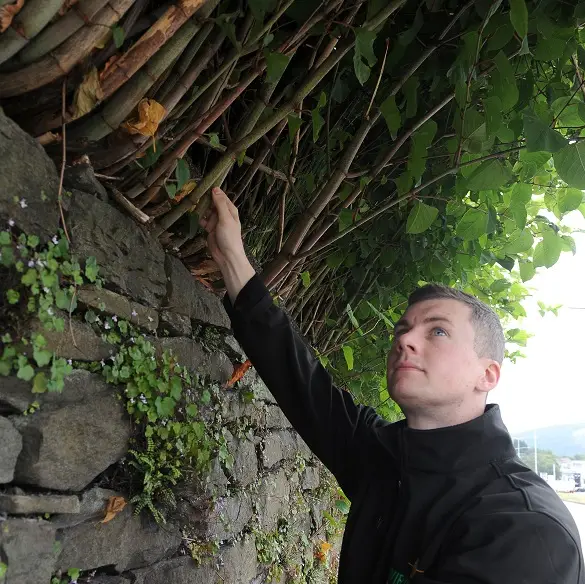

Japanese knotweed does not automatically create professional liability.
Liability risk arises where reporting lacks clarity, precision or appropriate recommendation.
A proportionate, evidence-led approach to identification and referral remains the most defensible position.
Rest assured, where invasive species are identified at an early stage and tackled correctly, problems can usually be avoided. Our specialist consultants complete thorough surveys to identify the extent of the problem. Our plans aren’t one-size-fits-all; they’re customised to tackle the invasive species at your property effectively, taking account of all of your requirements.
Our team of experts is available between 9am and 5:30pm, Monday to Friday to answer your enquiries and advise you on the next steps
Want a survey?
If you already know you have an invasive plant problem, you can request a survey online in less than two minutes by providing a few brief details. A member of the team will swiftly come back to you with further information and our availability.
Need quick plant identification?
Simply upload a few images of your problem plant to our identification form and one of our invasive plant experts will take a look and let you know, free of charge what you are dealing with. We’ll also be there to help with next steps where necessary.