

 Skip to content
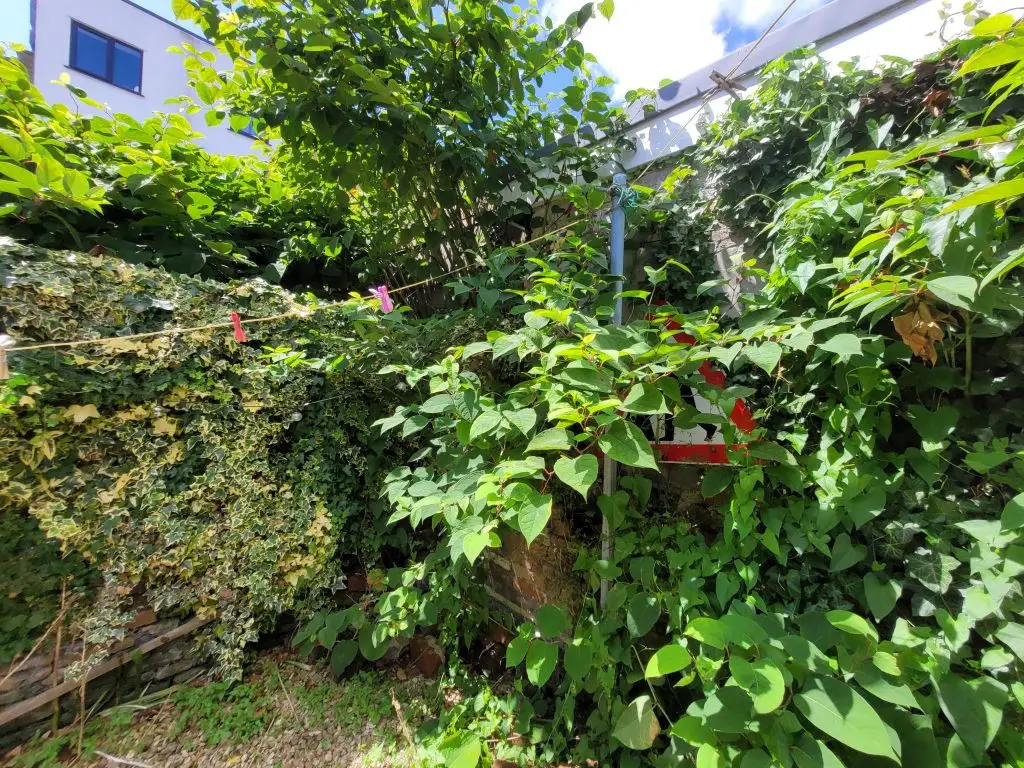
 Japanese knotweed can occasionally be discovered in the garden or communal areas of rented property.
For tenants, the key issue is not treatment strategy. It is understanding:
In most cases, responsibility for managing Japanese knotweed rests with the landlord or freeholder, not the tenant.
Tenants are not typically responsible for:
However, tenants do have a responsibility to:
Unilateral attempts to cut, dig or spray knotweed often make the situation worse and may complicate future management.
Early reporting significantly reduces risk.
We are often instructed where:
Once knotweed is disturbed, compliance issues may arise.
Clear, documented reporting protects both tenant and landlord.


In blocks of flats or managed developments, Japanese knotweed may appear in:
Responsibility in these cases usually sits with:
Tenants should notify the managing agent or landlord rather than attempting to contact neighbours directly.
Professional treatment often requires:
Tenants are generally required to permit reasonable access for necessary maintenance under tenancy agreements.
Treatment programmes are typically low disruption but may require co-operation.


The presence of Japanese knotweed does not automatically entitle tenants to:
Claims generally arise only where:
In most cases, once reported and professionally managed, the matter does not escalate.
Japanese knotweed is not harmful to touch and is not toxic in the way some invasive species are. The risk lies in its potential to spread and cause structural or boundary issues over time.
Tenants should avoid:
If in doubt, report and await instruction.


We are typically appointed by:
Our role is to:
Tenants will normally be notified before works commence.
Report it in writing to your landlord or managing agent.
If requested, photographs can assist identification. Professional confirmation should follow before any action is taken.
Prompt reporting reduces long-term risk for everyone involved.

Rest assured, where invasive species are identified at an early stage and tackled correctly, problems can usually be avoided. Our specialist consultants complete thorough surveys to identify the extent of the problem. Our plans aren’t one-size-fits-all; they’re customised to tackle the invasive species at your property effectively, taking account of all of your requirements.
Our team of experts is available between 9am and 5:30pm, Monday to Friday to answer your enquiries and advise you on the next steps
Want a survey?
If you already know you have an invasive plant problem, you can request a survey online in less than two minutes by providing a few brief details. A member of the team will swiftly come back to you with further information and our availability.
Need quick plant identification?
Simply upload a few images of your problem plant to our identification form and one of our invasive plant experts will take a look and let you know, free of charge what you are dealing with. We’ll also be there to help with next steps where necessary.