
 Skip to content
 This guide is written for valuers and surveyors involved in residential, mixed-use, and development land assessments where Japanese knotweed is present, suspected, or historically recorded.
It does not attempt to prescribe valuation adjustments. Instead, it reflects how the market actually responds, where risk is commonly misinterpreted, and how evidence, remediation strategy, and documentation influence value, saleability, and lender confidence in practice.
We work alongside valuers on live transactions, development sites, loan security assessments, and post-sale disputes. Much of what follows is drawn from recurring issues we see during project delivery and transaction support.

Japanese knotweed impacts value for reasons that go beyond physical damage. In most cases, the market response is driven by uncertainty, not the plant itself.
From a valuation perspective, diminution is typically influenced by a combination of:
Where these risks are unmanaged or poorly evidenced, the market applies a premium for uncertainty. Where they are addressed early and professionally, that premium often reduces significantly.
Valuation risk often arises at the identification stage.
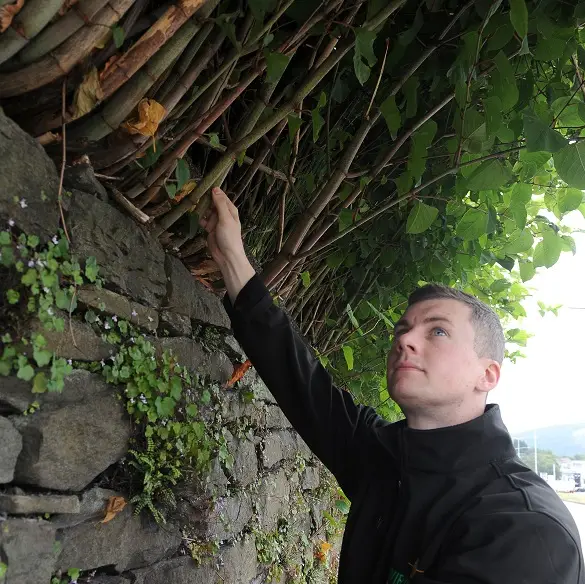
Japanese knotweed may not be visible year-round, particularly where:
We commonly see reliance placed on visual inspection alone, particularly during winter surveys. This is rarely sufficient where transaction value or lending security is involved.
Best practice is to rely on formal identification and survey evidence, rather than assumptions based on absence of visible growth.


The figures below reflect commonly observed market behaviour, not fixed valuation adjustments. Actual impact varies by location, property type, infestation extent, documentation quality, and prevailing market conditions. These ranges are intended to inform professional judgement, not replace it.
| Situation | Typical impact on value |
| Active, untreated Japanese knotweed on or near the property | 10–30% reduction |
| Japanese knotweed present with a treatment plan in place | 5–15% reduction |
| Japanese knotweed treated with professional guarantees | 2–10% reduction |
| Historic, long-resolved Japanese knotweed case | 0–5% reduction |
For residential assets, valuation impact is most closely tied to:
Where a professional management plan is in place and supported by a recognised guarantee, we commonly see transactions proceed with limited value adjustment, particularly in stable markets.
Problems typically arise where:
In these cases, valuers are often forced to reflect uncertainty rather than condition.

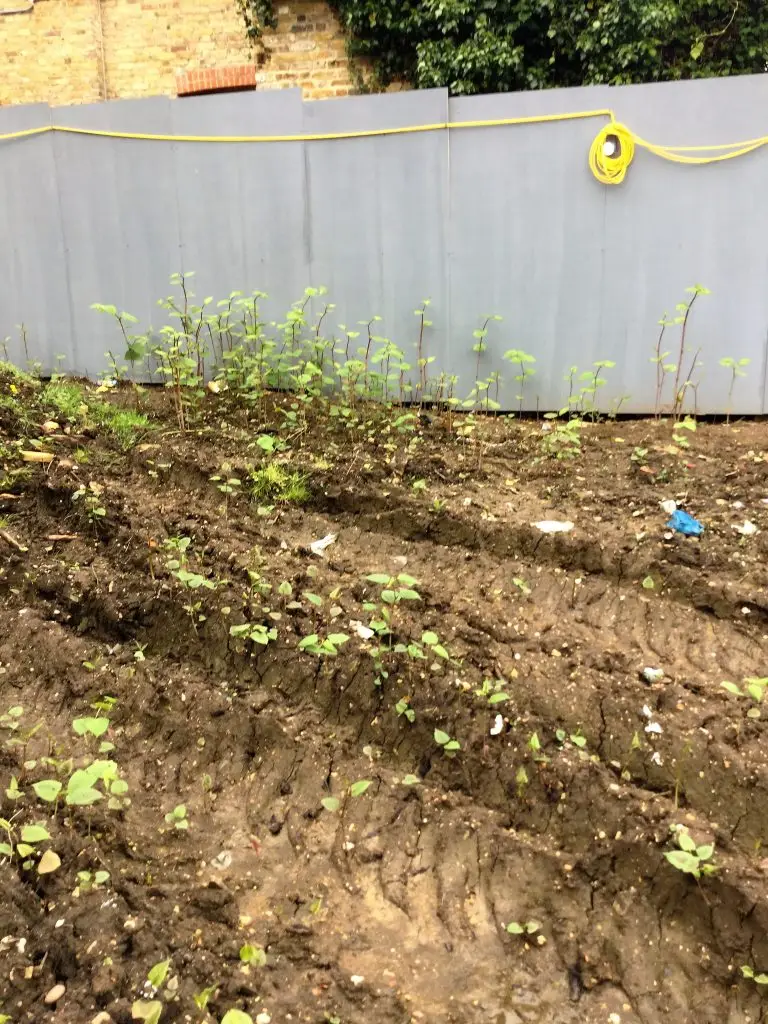
On development sites, the valuation impact of Japanese knotweed is usually driven by risk to programme and funding, rather than the plant itself.
Common valuation pressures include:
Where knotweed is identified early, a specialist contractor can often design a remediation strategy that aligns with construction sequencing, reducing both cost and value impact.
Environet regularly supports commercial clients with:
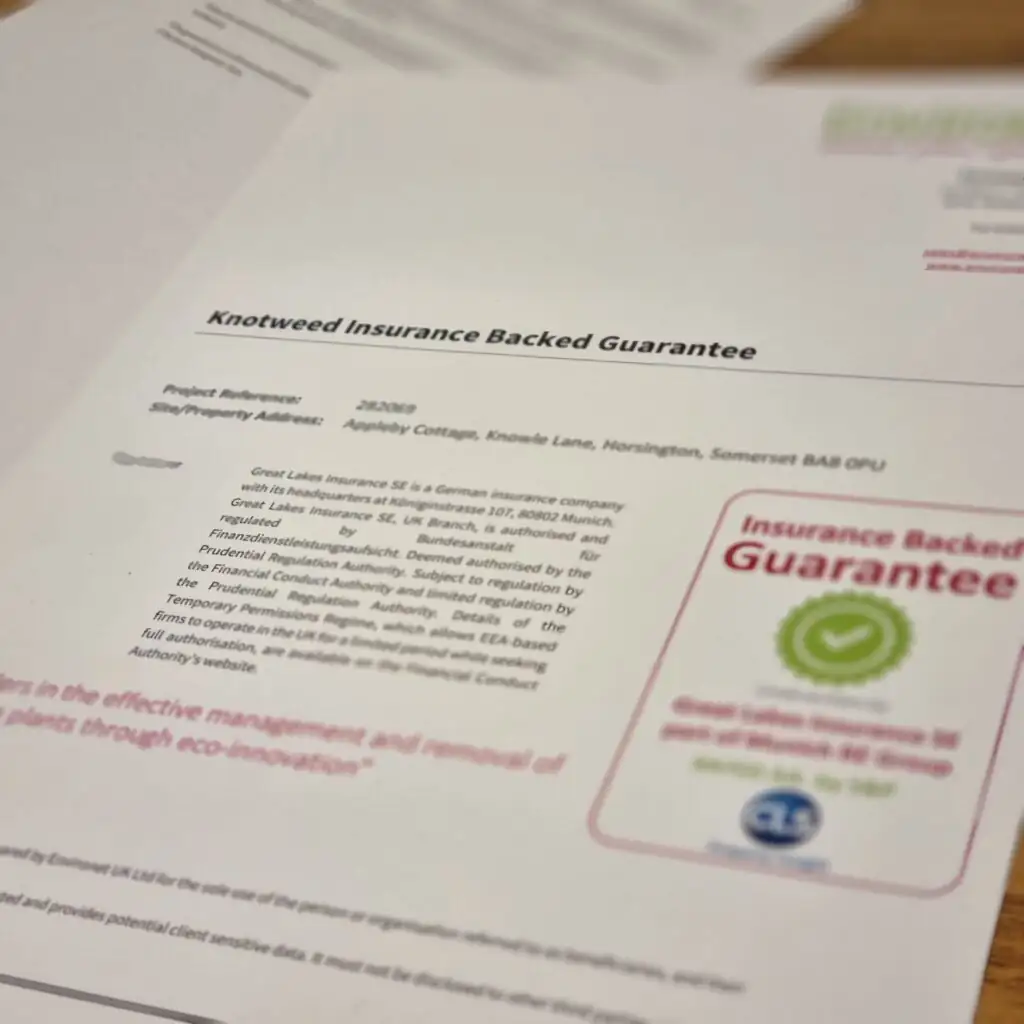
From a valuation perspective, not all guarantees are equal.
Key points that materially influence lender and buyer confidence:
We frequently see value depressed where guarantees exist but are poorly drafted, non-transferable, or operationally restrictive.

When reporting on Japanese knotweed, clarity matters more than alarm.
Effective reports typically:
Where appropriate, valuers may wish to recommend further specialist input rather than speculate on remediation cost or outcome.
For cases where diminution needs to be quantified or tested, Environet offers access to a diminution house price calculator, available by subscription.
This tool is designed to support:
It should be used as a decision-support aid, not a substitute for professional judgement.

We work with valuers across residential, commercial, and development sectors, providing:
Our role is not to influence value, but to reduce uncertainty by addressing the risks that the market prices in.
Japanese knotweed rarely renders land or property unmarketable. In most cases, value is affected not by the plant itself, but by how well the associated risks are understood, documented, and managed.
Early specialist involvement, realistic remediation strategies, and clear evidence remain the most effective tools for protecting value and supporting sound valuation judgement.

Rest assured, where invasive species are identified at an early stage and tackled correctly, problems can usually be avoided. Our specialist consultants complete thorough surveys to identify the extent of the problem. Our plans aren’t one-size-fits-all; they’re customised to tackle the invasive species at your property effectively, taking account of all of your requirements.
Our team of experts is available between 9am and 5:30pm, Monday to Friday to answer your enquiries and advise you on the next steps
Want a survey?
If you already know you have an invasive plant problem, you can request a survey online in less than two minutes by providing a few brief details. A member of the team will swiftly come back to you with further information and our availability.
Need quick plant identification?
Simply upload a few images of your problem plant to our identification form and one of our invasive plant experts will take a look and let you know, free of charge what you are dealing with. We’ll also be there to help with next steps where necessary.