

 Skip to content
 What is Himalayan balsam? To find out more, read our Himalayan balsam identification guide below. If you are still unsure, email us your photos and we will confirm whether it is Himalayan balsam for FREE
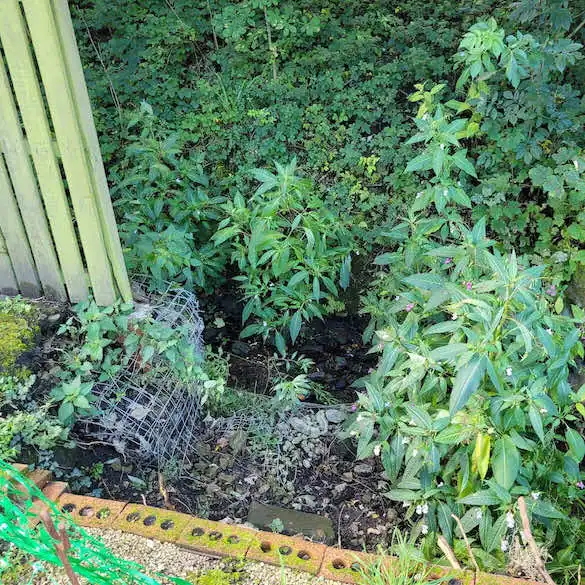
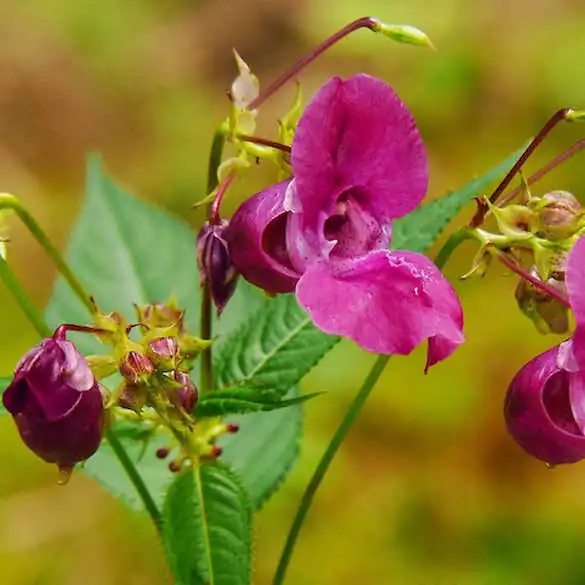

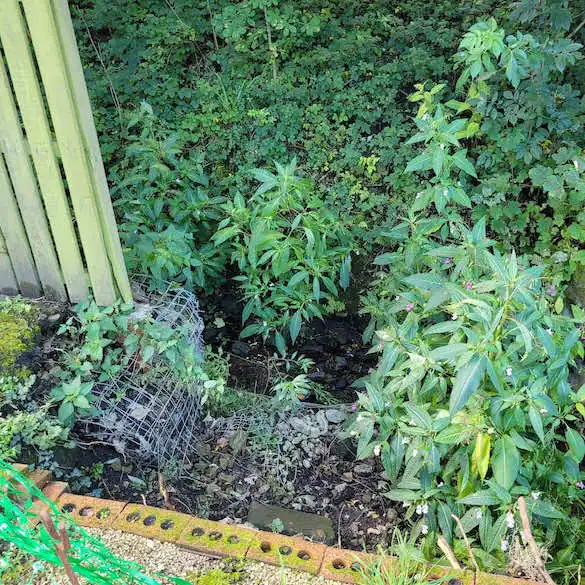
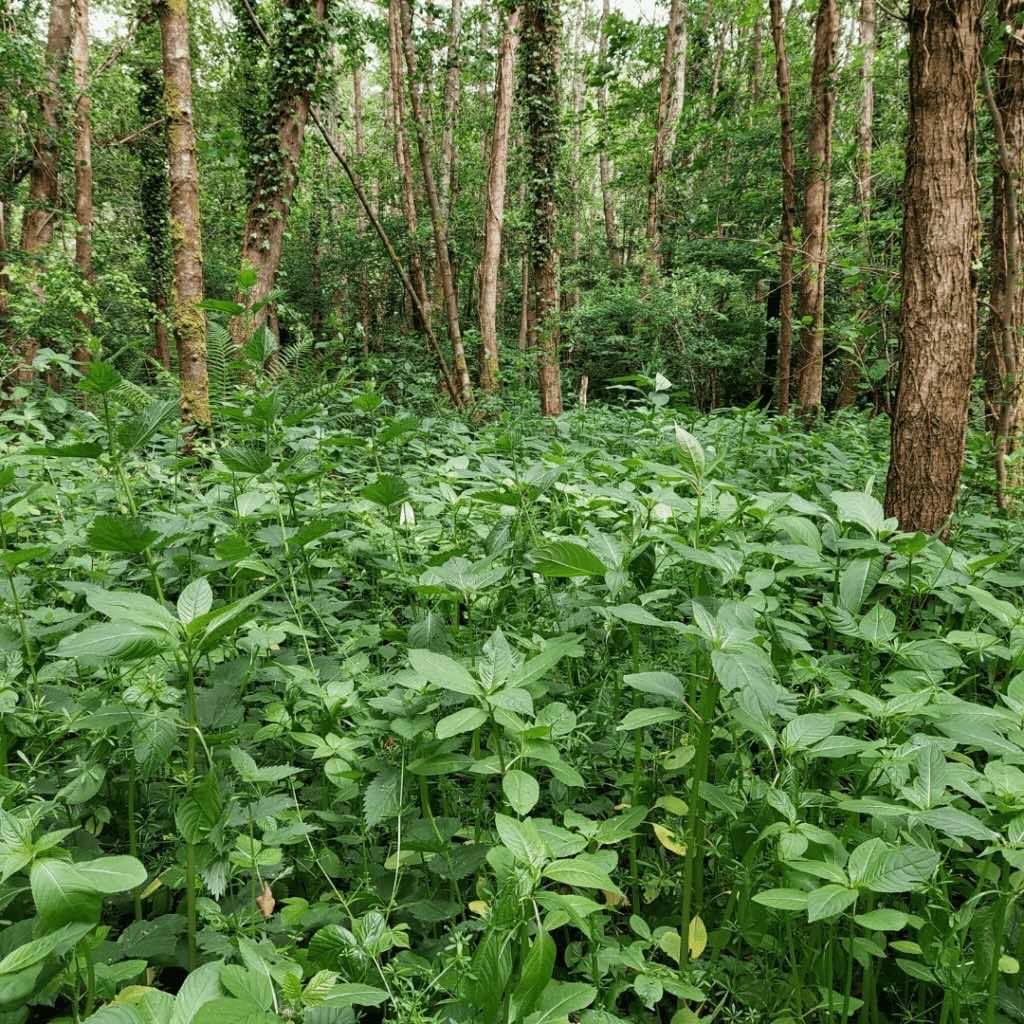
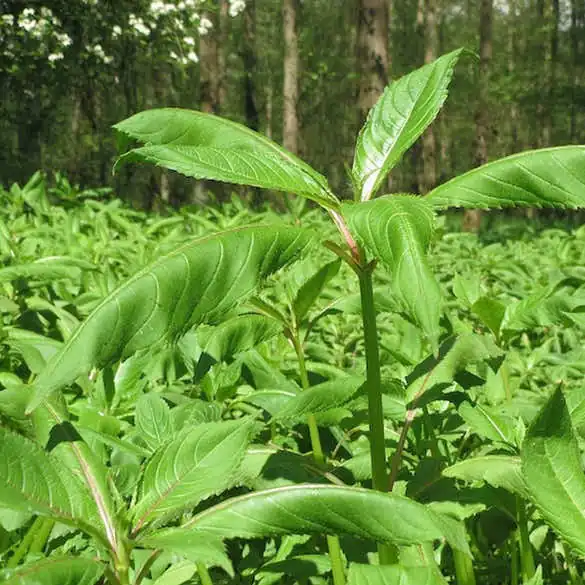
Himalayan balsam (also known as Indian balsam or Policemen’s helmet) is an annual plant that grows up to around 2.5m tall.
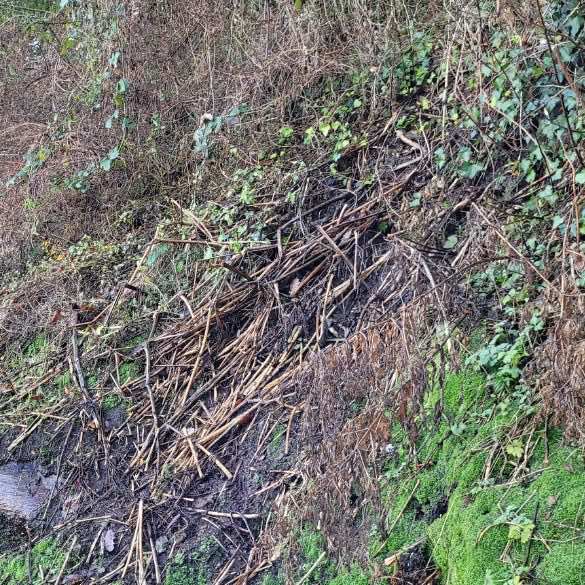
Whilst easy to identify in the summer, Himalayan balsam is a perennial plant, meaning that the above ground growth dies back in the winter. The stems, leaves and flowers die off each year and can leave next to no trace above ground. This can cause instability and erosion along riverbanks and watercourses (where Himalayan balsam is commonly found).
Look out for:
Himalayan balsam is exclusively spread by dispersing its seeds. A light touch or a strong wind causes the ripe seed pods to explode, spreading up to 800 fertile seeds per plant up to 6m away from the parent plant. The seeds can remain viable in the soil for 2 years, meaning it can spread extremely quickly if the plant is not controlled each year.
The seeds are also very light, and can float on water, allowing migration and colonisation on waterways, where new infestations can be created easily where water slows, river levels regularly change, and especially in areas prone to flooding.
General gardening, landscaping, ground disturbance or construction can also cause spread seeds across a site where soil movement is not controlled.
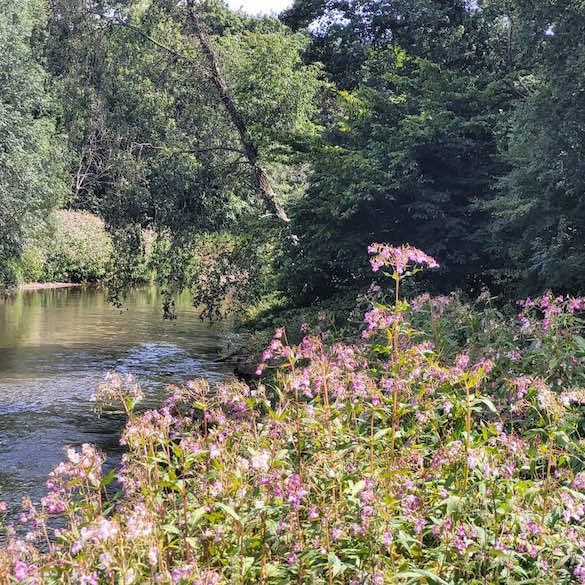
Originally introduced to the UK as an ornamental garden plant for its beautiful appearance, Himalayan balsam has escaped cultivation and can now be seen in most wetland habitats including riverbanks and streams, around ponds and lakes, wet ditches, meadows and wet woodlands across the UK.
Native to the Himalayan mountains, Himalayan balsam is hardy and can grow in most conditions including extreme heat, cold and wet weather.
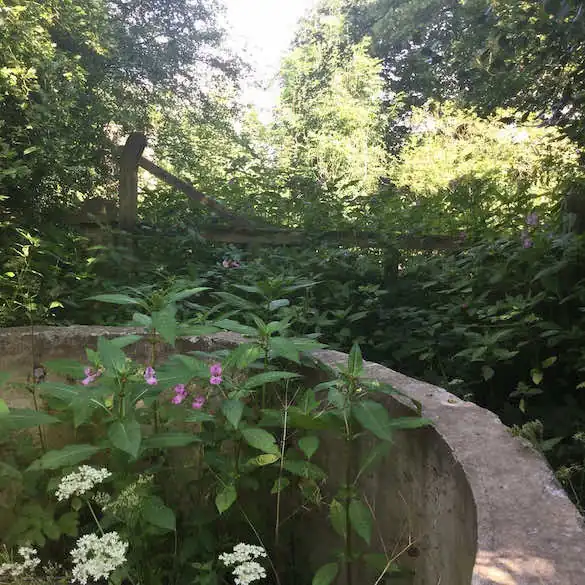
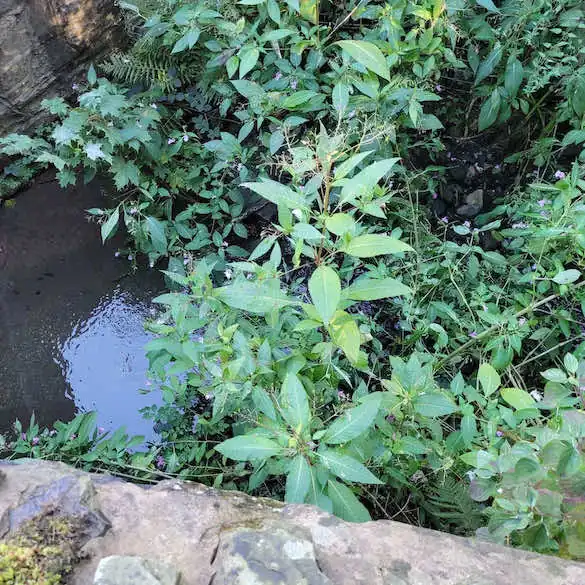
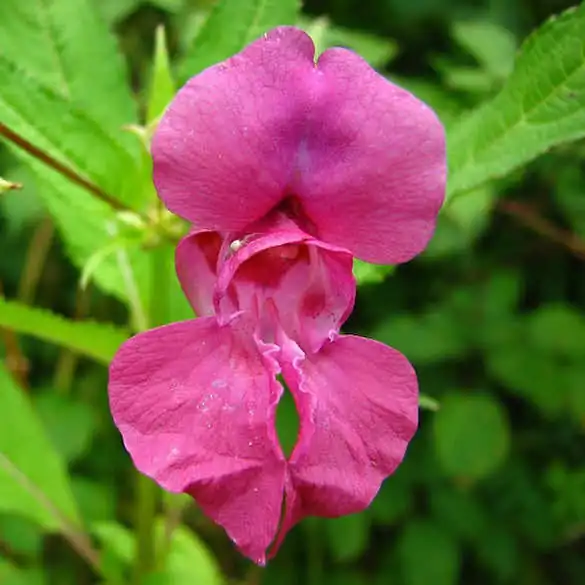
Despite both being recognised as invasive plants by the Environment Agency, and having some similarities, they also have one notable difference: Himalayan balsam has bright pink flowers that are seed producing, whereas Japanese knotweed has smaller white flowers.
Although both Japanese knotweed and Himalayan balsam grow at an alarming rate, once established, the two are easily distinguishable by their completely different leaf shapes.
There are multiple reasons why Himalayan balsam is a problem, and all of them create ecological issues:
Whilst it is not illegal to have Himalayan balsam on your own private land, you may be committing an offence under the Wildlife and Countryside Act (1981), The Invasive Alien Species (Enforcement and Permitting) Order 2019, or the Environmental Protection Act (1990) if you plant Himalayan balsam, move soil containing seeds, or cause it to grow in the wild. It is the landowner’s responsibility to ensure that the plant does not spread.
Given that Himalayan balsam spreads so easily by seed dispersal along waterways, landowners should take immediate action to control Himalayan balsam infestations.
Different penalties apply depending on the seriousness of the offence. You may get a warning, be served with a notice (e.g. a compliance or restoration notice where you must take steps to fix damage), be fined or even be sent to prison for a maximum of 3 months for a summary offence or 2 years for an indictable offence.
The plant is not harmful to touch or pull manually and isn’t poisonous to horses or any other animals.
In fact, in its native range, various parts of the plant are commonly used as a food source. Commonly used in curries and stews, the young shoots are also often used in salads, in addition to the seeds, known to have a pleasant nutty taste, whilst adding a nice crunch to salads!
The Himalayan Balsam plant has also been known to have other uses including using the oil from the seeds as a fuel for oil lamps.
Rest assured, where invasive species are identified at an early stage and tackled correctly, problems can usually be avoided. Our specialist consultants complete thorough surveys to identify the extent of the problem. Our plans aren’t one-size-fits-all; they’re customised to tackle the invasive species at your property effectively, taking account of all of your requirements.
“I used Environet following a recommendation to help with invasive Japanese Knotweed in my garden. Very professional, responsive and managed to co-ordinate with other contractors working on my property to remove the knotweed.”
“Richard was able to book us an assessment visit very quickly regarding the encroachment of evasive running bamboo in our garden .. Will completed the assessment visit,we found him to be very professional, but also friendly and easy to talk to. “
“This is a very professional operation; always just on the end of the phone. The whole team seemed to know exactly what was going on with the job. (and my neighbours were very happy too.)”
“I’d just like to take the time to commend the team I have spoken to already, in particular Rachel and Suzie – they have been so friendly, reassuring and informative which has really eased the stress around this situation. Thank you all for your time. .”
“I would like to commend your man Ed, who was in charge of the works at our property. He was a pleasure to deal with — punctual, polite, professional, responsible. He always kept me up to date with the progress of the works and made sure there was as little disruption to our lives as possible.”