

 Skip to content
It’s natural to want to dig up and remove a fast-growing weed. But Japanese knotweed can’t be treated like ordinary garden waste. Even a small fragment of its underground root system, known as a rhizome, can regrow and spread rapidly. Incorrect disposal risks starting new infestations – and breaking UK environmental law.
Japanese knotweed is one of the UK’s most invasive species. It can damage property foundations, block drains and cause costly disputes between neighbours. That’s why the Environment Agency (EA) has strict rules about how it must be handled and disposed of.
Knotweed and any contaminated soil it grows in are classed as controlled waste under the Environmental Protection Act 1990.
This means:
Failing to comply can lead to criminal penalties or fines.
Burial is permitted only with prior notification to the Environment Agency and must follow specific guidelines:
Without EA consent, burying Japanese knotweed on your property is illegal.
Burning is not a preferred method because rhizomes can survive high temperatures. If you intend to burn the material:
Even if burned, the site remains contaminated until all viable rhizomes are removed or destroyed.

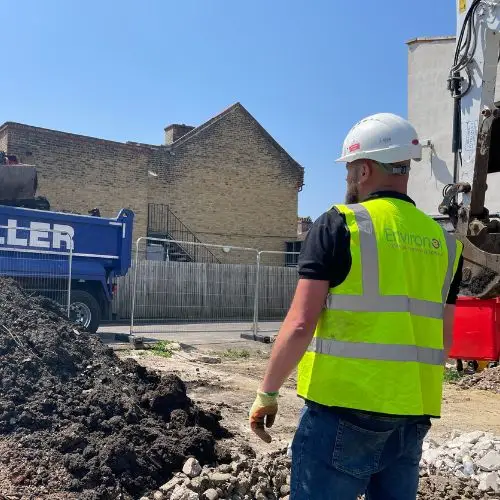
If the knotweed waste cannot be dealt with on-site:
Incorrect or unauthorised disposal can lead to enforcement action and prosecution.
For complete peace of mind, it’s best to work with an accredited specialist such as Environet UK, who will ensure disposal is carried out in full compliance with legislation.

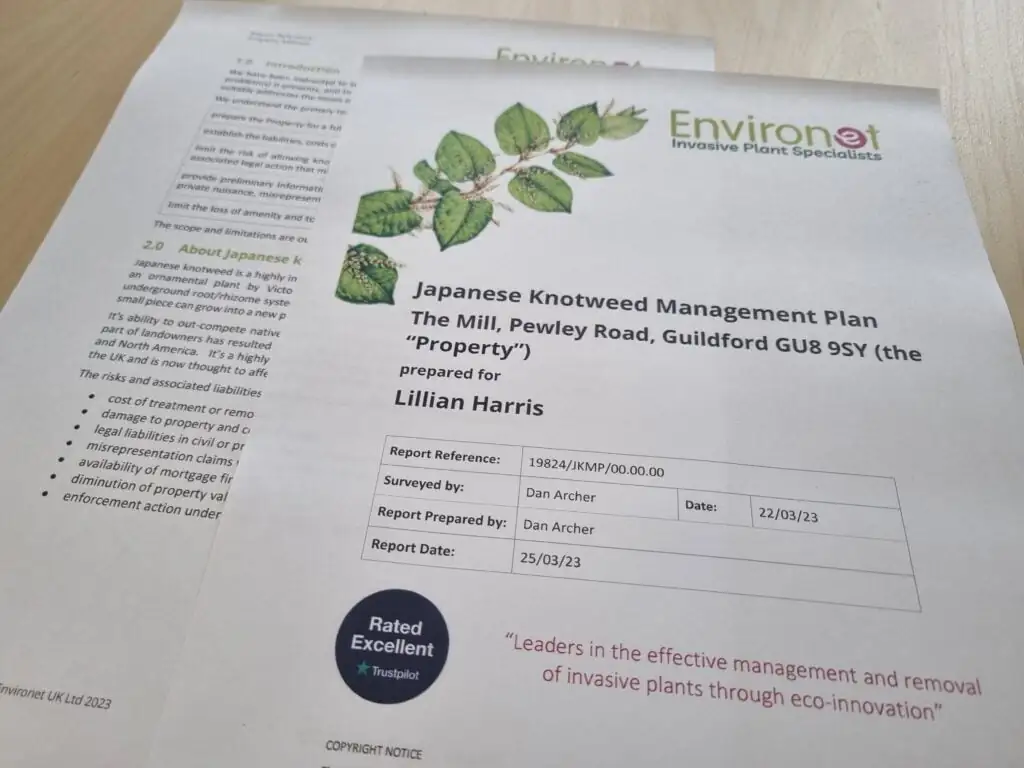
Environet UK provides a range of safe, compliant disposal and treatment services:
All plans are supported by 5- or 10-year insurance-backed guarantees and overseen by experienced specialists.
Request a site survey to identify the best disposal or management option for your property.
Japanese knotweed disposal is not a DIY task. Because the plant is legally controlled, improper disposal can spread the problem and lead to prosecution.
By following Environment Agency guidance and using licensed professionals, you can protect your property, the environment and stay compliant with UK law.
To discuss your options, contact Environet UK today.

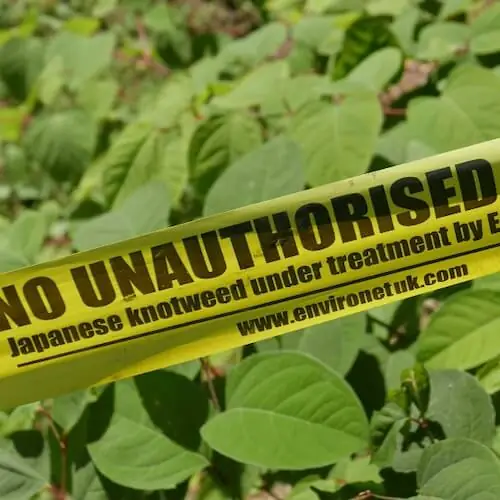
Yes. Japanese knotweed is classed as controlled waste under UK law. It can only be transported and disposed of by licensed waste carriers at authorised facilities, or with specific Environment Agency approval for on-site burial or burning.
Only with Environment Agency approval. The plant must be buried at least five metres deep and covered with a root barrier membrane. If this depth isn’t possible, it can be wrapped in a root barrier and buried at a minimum of two metres.
Burning is allowed only with permission from the Environment Agency and local council. The rhizomes can survive heat, so all ash and soil residues must be disposed of as controlled waste at a licensed site.
Improper disposal can spread the plant and result in prosecution or heavy fines. Always use a registered waste carrier or professional remediation firm to handle Japanese knotweed.
The safest option is to use a licensed Japanese knotweed specialist who follows Environment Agency regulations. They can remove, transport and dispose of the material legally or provide on-site treatment to prevent landfill use.
Rest assured, where invasive species are identified at an early stage and tackled correctly, problems can usually be avoided. Our specialist consultants complete thorough surveys to identify the extent of the problem. Our plans aren’t one-size-fits-all; they’re customised to tackle the invasive species at your property effectively, taking account of all of your requirements.
Our team of experts is available between 9am and 5:30pm, Monday to Friday to answer your enquiries and advise you on the next steps
Want a survey?
If you already know you have an invasive plant problem, you can request a survey online in less than two minutes by providing a few brief details. A member of the team will swiftly come back to you with further information and our availability.
Need quick plant identification?
Simply upload a few images of your problem plant to our identification form and one of our invasive plant experts will take a look and let you know, free of charge what you are dealing with. We’ll also be there to help with next steps where necessary.