
 Skip to content
 Japanese knotweed is not, in itself, a bar to mortgage lending. However, its presence introduces a material risk that must be identified, assessed, and appropriately managed before a lending decision can be made.
From a lender’s perspective, the issue is not the plant in isolation, but the potential impact on marketability, future saleability, and long-term risk exposure over the life of the loan. Where Japanese knotweed is identified, the quality of information provided and the robustness of the management response are what determine lending outcomes.
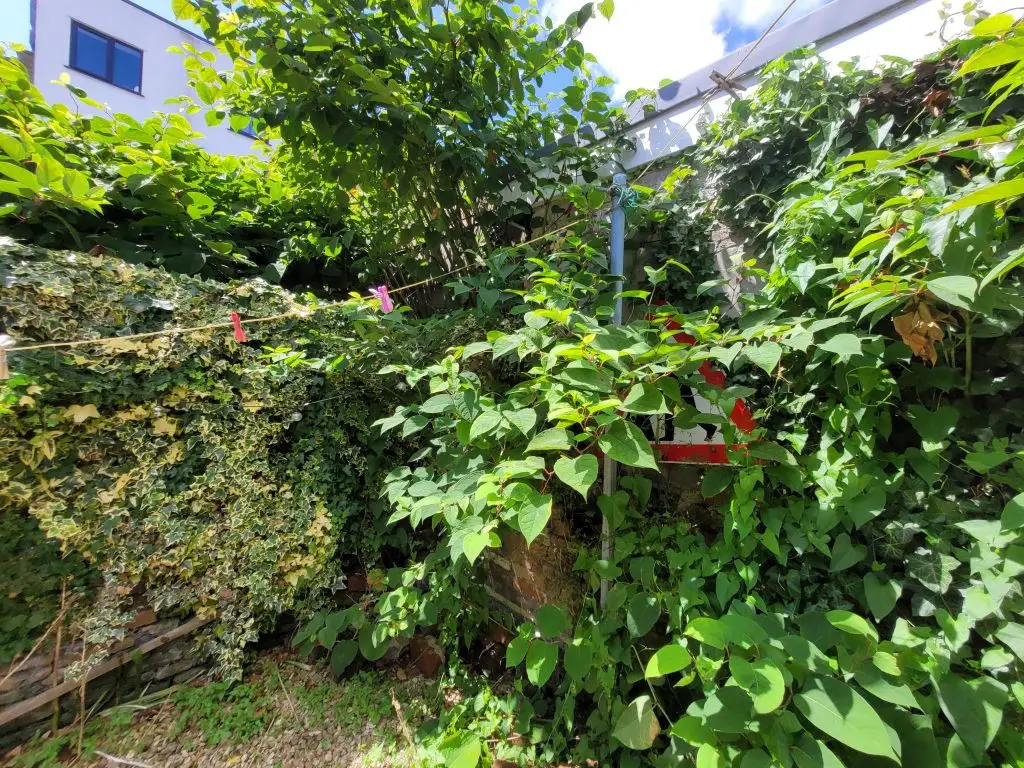
Japanese knotweed is classed as an invasive non-native species under UK legislation. If unmanaged, it can spread beyond property boundaries, create legal liability, and in some circumstances affect structures or services.
In lending terms, the primary concerns are:
These risks are manageable, but only where they are properly documented and controlled.
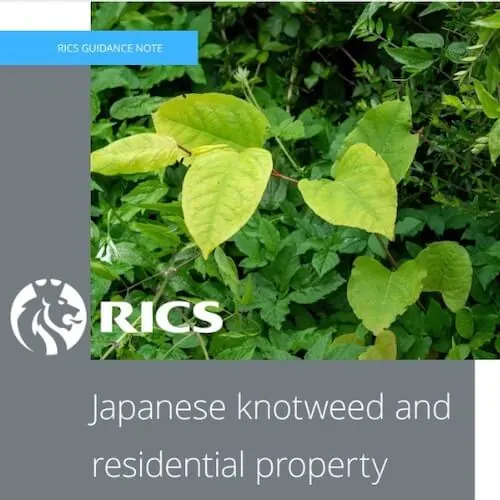
Where Japanese knotweed is identified during a valuation inspection, surveyors typically categorise the risk in line with current RICS guidance. The assigned category informs the lender’s next steps rather than triggering an automatic refusal.
In practice, this commonly results in:
Retentions are less common than they were historically, but conditions are routinely applied where evidence is incomplete or risk remains unquantified.

Knotweed located on neighbouring land can still be relevant to lending decisions where there is a realistic risk of encroachment. Surveyors typically consider proximity to boundaries, visible spread patterns, and the likelihood of future disturbance.
Where knotweed is confirmed to be outside the subject property and beyond a reasonable buffer, it is often noted but may not affect lending. Where it is on or near the site, lenders generally expect a documented management response.
Where Japanese knotweed is present, lenders typically require:
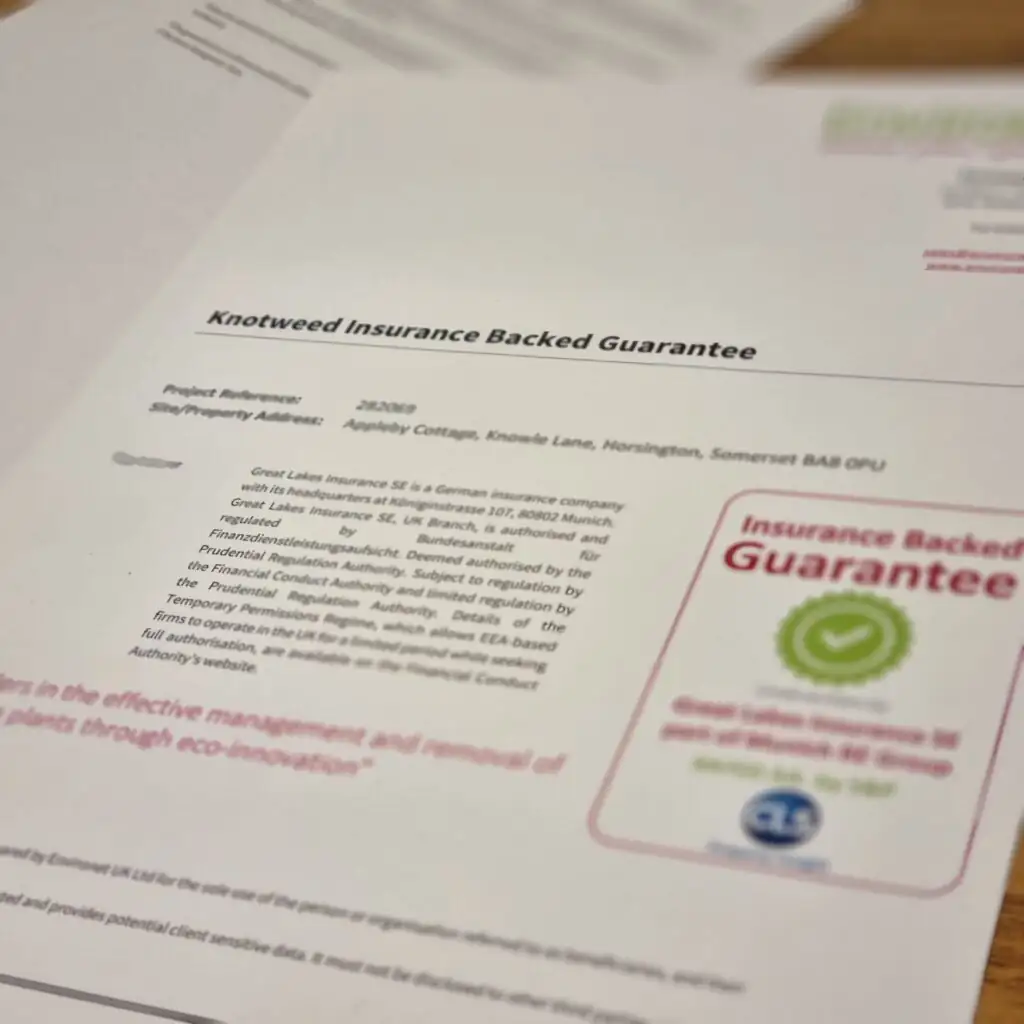
The guarantee is critical. It does not remove the knotweed risk entirely, but it transfers financial exposure away from the lender and borrower, providing certainty over future remediation cost.
In practice, guarantees that are accepted by major UK lenders are underwritten by rated insurers and issued by specialist contractors with demonstrable track records.

For buy-to-let and portfolio lending, Japanese knotweed can present additional considerations. Responsibility for management rests entirely with the investor, and the lender’s exposure extends across rental income, asset value, and future disposal.
As a result, documentation standards are often applied more strictly, particularly where multiple properties are involved or where historic treatment has taken place.
Lender approaches to Japanese knotweed have evolved significantly over the last decade. Earlier policies were often conservative, driven by limited data and inconsistent survey reporting.
Updated RICS guidance and improved understanding of actual risk have led to more proportionate decision-making. That said, lending appetite remains institution-specific, and outcomes continue to depend heavily on the quality of information provided at valuation stage.


From experience, lending decisions are rarely delayed where the following are available:
Where this information is missing or incomplete, delays and conditions are almost inevitable.
Environet works with lenders, valuers, surveyors, developers, and asset managers to provide:
Early engagement and clear documentation remain the most effective way to prevent late-stage disruption to lending decisions.

Rest assured, where invasive species are identified at an early stage and tackled correctly, problems can usually be avoided. Our specialist consultants complete thorough surveys to identify the extent of the problem. Our plans aren’t one-size-fits-all; they’re customised to tackle the invasive species at your property effectively, taking account of all of your requirements.
Our team of experts is available between 9am and 5:30pm, Monday to Friday to answer your enquiries and advise you on the next steps
Want a survey?
If you already know you have an invasive plant problem, you can request a survey online in less than two minutes by providing a few brief details. A member of the team will swiftly come back to you with further information and our availability.
Need quick plant identification?
Simply upload a few images of your problem plant to our identification form and one of our invasive plant experts will take a look and let you know, free of charge what you are dealing with. We’ll also be there to help with next steps where necessary.