

 Skip to content
 If your company has spent money cleaning up land contaminated by Japanese knotweed, you may qualify for Land Remediation Tax Relief (LRTR), a Corporation Tax incentive that can return up to 150% of qualifying remediation costs, provided the work was on-site and you weren’t responsible for the contamination.

Land Remediation Tax Relief (LRTR) was introduced under the Finance Act 2001 to encourage the redevelopment of brownfield and contaminated sites.
The scheme allows UK companies to claim additional tax deductions for the cost of cleaning up land that was already contaminated when they acquired it.
Originally covering industrial pollutants such as heavy metals, asbestos and radon, LRTR was extended in 2009 to include Japanese knotweed, provided the infestation was not caused by the claimant or a connected party.
LRTR is a Corporation Tax-only relief. Partnerships or individuals cannot claim.
Companies that qualify can claim:
Typical qualifying works include:
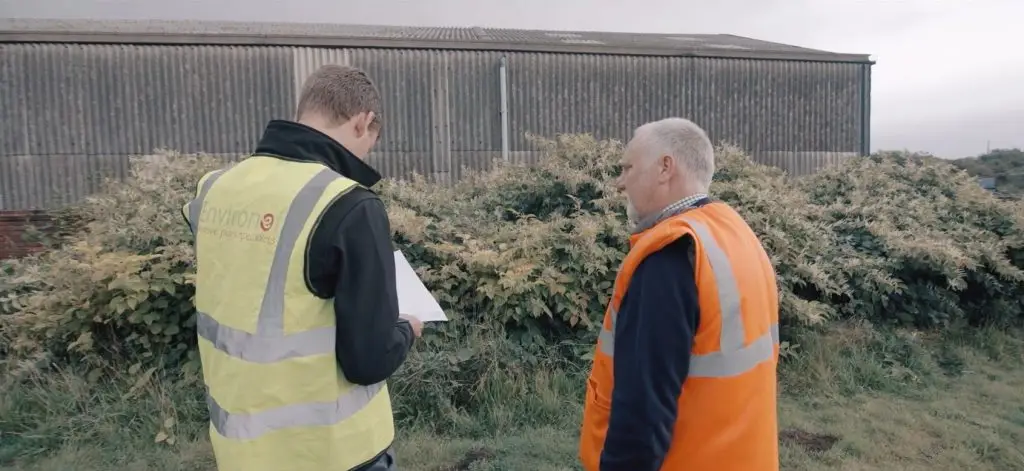

You may be eligible if:
The “polluter-pays” principle means any party responsible for spreading knotweed cannot claim the relief.
Yes, but only when remediated on-site.
Environmental policy and HMRC guidance exclude methods that send contaminated soil to landfill.
That’s why sustainable, zero-waste processes such as Environet’s Xtract™ qualify, while “dig-and-dump” approaches do not.

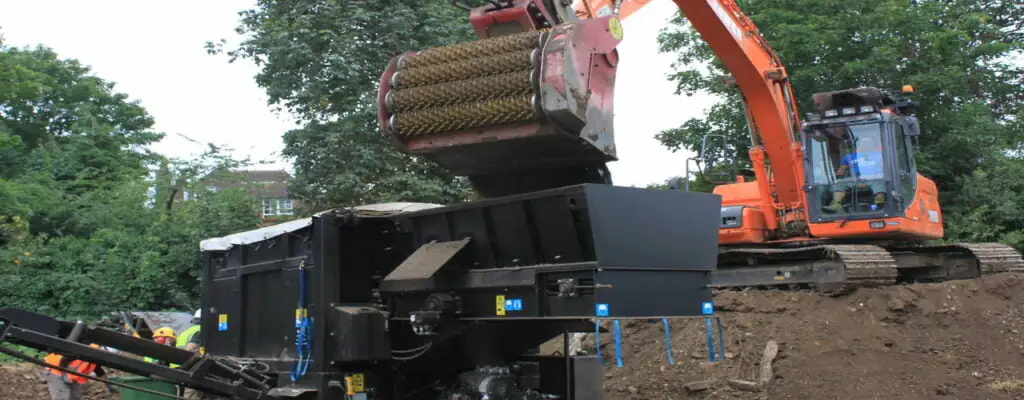
Xtract™ is Environet’s patented soil-screening system that removes only the viable rhizome and returns clean soil to the ground.
Key benefits include:
Combining Xtract™ with LRTR can yield substantial financial and environmental gains for developers working on contaminated brownfield sites.
Despite being more than two decades old, LRTR remains under-used. Many companies, and even their accountants, are unaware the scheme covers knotweed or that claims can be made retrospectively.
Industry experts estimate that millions of pounds of potential tax savings go unclaimed each year.
Furthermore, Japanese knotweed is often an afterthought on development planning – meaning that on-site remediation is unfeasible owing to either time constraints, or spatial planning restrictions. Early adoption of on-site remediation planning opens up the potential to claim LRTR.
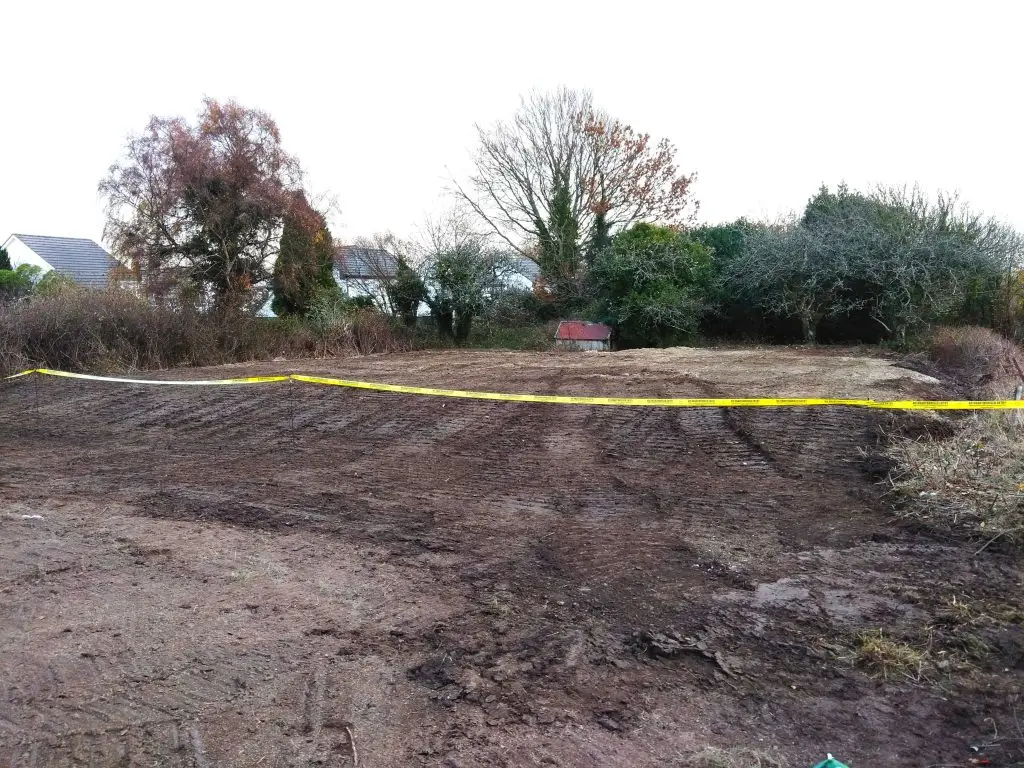

The relief is claimed through your company’s tax return, supported by evidence of qualifying expenditure. Because the rules are complex, most developers work with specialist property-tax consultants experienced in LRTR submissions.
Firms such as E³ Consulting (with property tax expert Alun Oliver) or Clinch Consultants have decades of experience securing HMRC agreements within 4–6 weeks.
Specialists usually work on a percentage-fee or “no-win-no-fee” basis, so if HMRC does not approve the claim, you pay nothing except minimal preparation time.


Applies to: UK Corporation Taxpayers (not individuals or partnerships)
If you’re a developer or landowner dealing with Japanese knotweed on a brownfield site, Land Remediation Tax Relief can make a real difference, both financially and environmentally.
Seek early professional advice to confirm eligibility and optimise your claim.
To discuss Japanese knotweed remediation options or request a referral to LRTR specialists, contact the Environet UK team today.
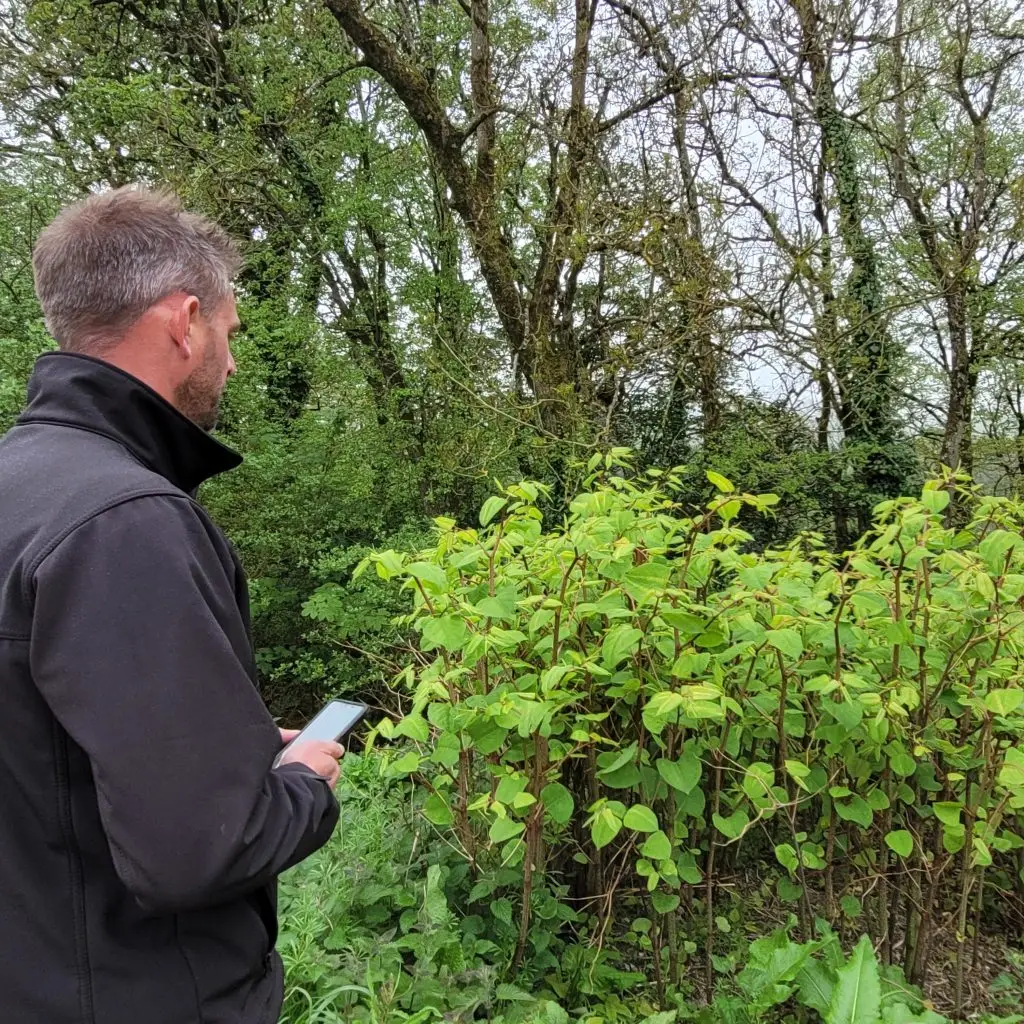
Claims are made in the company’s Corporation Tax return with supporting evidence. Because the rules are complex, many developers use specialist property tax consultants such as E³ Consulting or Clinch Consultants to prepare claims and liaise with HMRC.
Rest assured, where invasive species are identified at an early stage and tackled correctly, problems can usually be avoided. Our specialist consultants complete thorough surveys to identify the extent of the problem. Our plans aren’t one-size-fits-all; they’re customised to tackle the invasive species at your property effectively, taking account of all of your requirements.
Our team of experts is available between 9am and 5:30pm, Monday to Friday to answer your enquiries and advise you on the next steps
Want a survey?
If you already know you have an invasive plant problem, you can request a survey online in less than two minutes by providing a few brief details. A member of the team will swiftly come back to you with further information and our availability.
Need quick plant identification?
Simply upload a few images of your problem plant to our identification form and one of our invasive plant experts will take a look and let you know, free of charge what you are dealing with. We’ll also be there to help with next steps where necessary.