 Skip to content

The legal disposal of Japanese knotweed
The legal disposal of Japanese knotweed is tightly controlled in the UK because the plant is classed as controlled waste.
Anyone who digs up knotweed, or removes contaminated soil, must follow strict rules to prevent the spread of this invasive species. Failure to comply can result in enforcement action, significant fines, and costly remediation.

Your legal responsibilities
When removed, Japanese knotweed can still pose a significant threat and regrow if it is not disposed of properly. In short, you cannot simply put it in your green recycling bin and forget about it.
Quick Links
Controlled waste classification


Duty of care when handling knotweed waste
Prohibited actions
- Do not place knotweed waste in household bins.
- Do not compost it or take it to a standard recycling centre.
- Do not dump it on land or use it as fill material on site.
- Such actions can lead to knotweed spreading and may constitute a criminal offence.

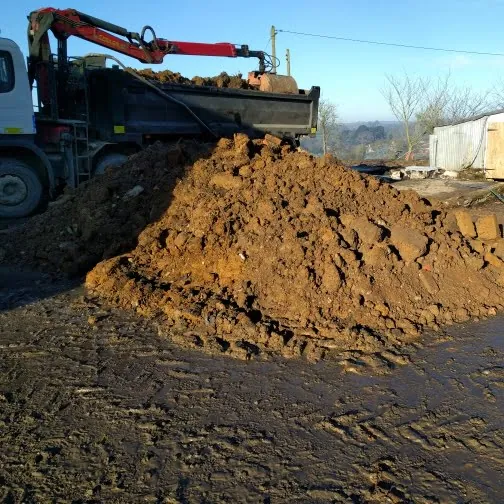
Approved disposal methods
It is essential that you or anyone acting for you disposes of Japanese knotweed using one of the methods below.
Disposal at licensed landfill
Knotweed waste must be taken to a landfill site licensed to accept invasive plant material. The waste should be securely contained during transport to avoid escape of rhizome or contaminated soil.
On-site burial
On some development sites, burial may be permitted if it meets the required standards. The waste must be buried at least two metres deep and encapsulated with a root barrier membrane. Local authorities may require formal approval before works begin.
Controlled incineration
In certain circumstances, burning knotweed material is permitted, but strict guidance must be followed. Heat must be sufficient to completely destroy the plant material, and ash must still be treated as controlled waste.
Working with professionals
Engaging a specialist knotweed contractor protects you from the risks associated with incorrect disposal. Environet provides excavation, removal, and disposal services that comply fully with waste legislation. We document the chain of custody and ensure all knotweed waste is managed lawfully, giving you full legal protection and peace of mind.
The importance of professional removal when selling your home
When preparing to sell a property affected by Japanese knotweed, professional removal becomes essential. Mortgage lenders, surveyors, and prospective buyers will expect clear evidence that the problem has been dealt with correctly, and this is only achievable through a recognised specialist. Attempting to remove knotweed yourself not only risks accidental spread, it also provides no formal documentation to reassure a buyer or lender.
A professional contractor creates a clear paper trail that demonstrates the issue has been tackled lawfully and effectively.
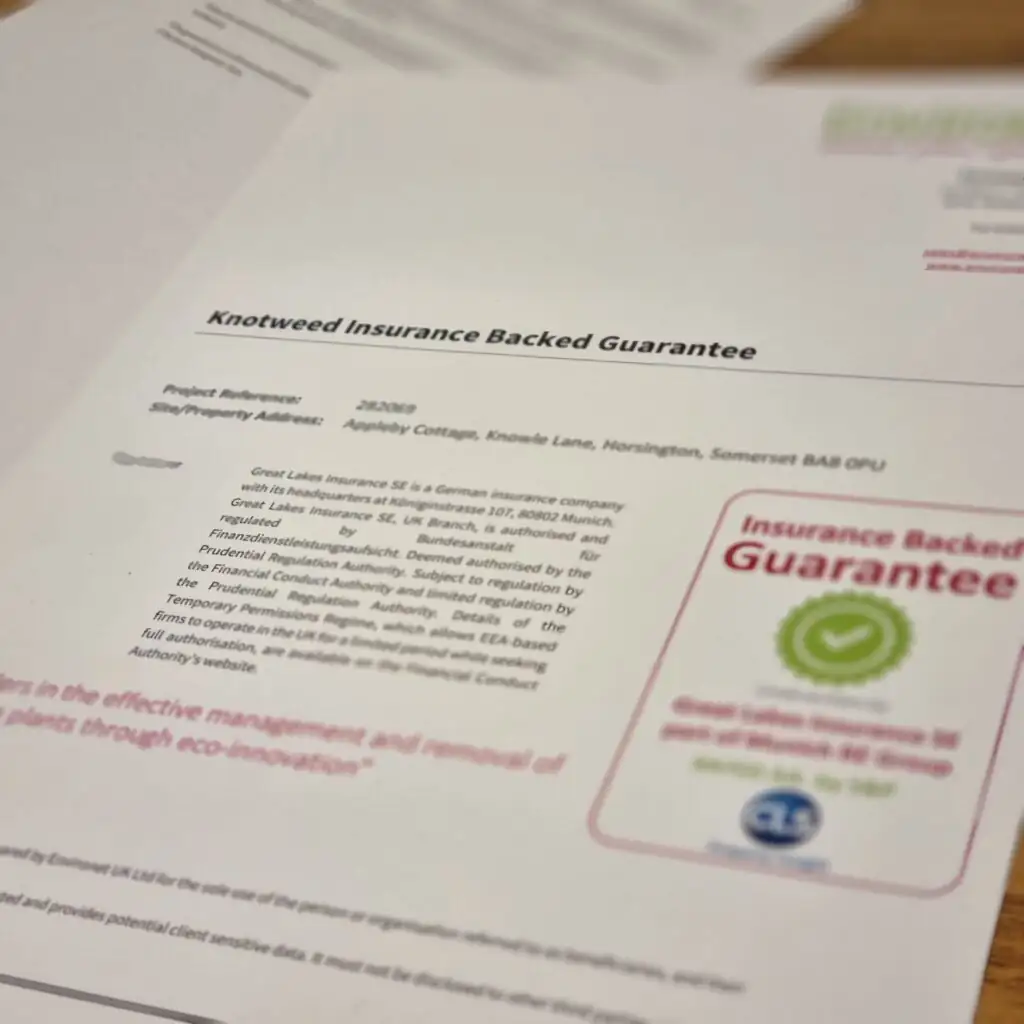
This typically includes a survey report, details of the treatment or excavation method used, waste transfer notes for disposal, and, where appropriate, an insurance-backed guarantee.
These documents show that knotweed waste has been handled in accordance with environmental legislation and that the plant has been brought under control by accredited experts.
This evidence can be provided to estate agents, buyers, and solicitors during the conveyancing process, reducing uncertainty and helping prevent the sale from collapsing. With knotweed one of the most common causes of delays and disputes in conveyancing, having an expert-managed solution in place gives both sides confidence that the property is protected and compliant.


Disposal of Japanese Knotweed FAQs
Yes. Japanese knotweed and any contaminated soil are classed as controlled waste, meaning they must be handled and disposed of in line with the Environmental Protection Act 1990.
No. Knotweed waste cannot be taken to standard recycling centres or put in household bins. It must be sent to a landfill site licensed to accept invasive plant material.
Burial may be permitted if strict criteria are met, including burial at least two metres deep and encapsulation within a suitable root barrier membrane. Local authority approval may be required.
Start fixing your invasive plant problem today by requesting a survey
Request a survey
Rest assured, where invasive species are identified at an early stage and tackled correctly, problems can usually be avoided. Our specialist consultants complete thorough surveys to identify the extent of the problem. Our plans aren’t one-size-fits-all; they’re customised to tackle the invasive species at your property effectively, taking account of all of your requirements.
GET IN TOUCH
Contact us
Our team of experts is available between 9am and 5:30pm, Monday to Friday to answer your enquiries and advise you on the next steps
Want a survey?
If you already know you have an invasive plant problem, you can request a survey online in less than two minutes by providing a few brief details. A member of the team will swiftly come back to you with further information and our availability.
Need quick plant identification?
Simply upload a few images of your problem plant to our identification form and one of our invasive plant experts will take a look and let you know, free of charge what you are dealing with. We’ll also be there to help with next steps where necessary.