

 Skip to content
 Biological control aims to reduce Japanese knotweed growth by introducing natural predators that target the plant without harming native species. This method has been explored in the UK for more than a decade, but it remains in the research and monitoring phase rather than a commercially reliable removal solution.
While biological agents can weaken knotweed over time, they are not currently capable of providing full eradication or preventing regrowth on development sites.

Biological control of Japanese knotweed focuses on identifying and releasing organisms that feed on or damage the plant in its native range. The most widely studied agent is a sap-sucking psyllid (Aphalara itadori), a small insect that feeds specifically on knotweed.
Research trials have assessed whether:
Although these trials show some potential, the results are inconsistent and establishment rates remain low.
Image credit: CABI
At present, biological control:
For these reasons, biological control is not offered as a practical service and should not be relied upon for control, removal or development clearance.
Where removal is required, excavation methods such as excavation or Xtract™ remain the only guaranteed routes.
Image credit: Eline Schuur

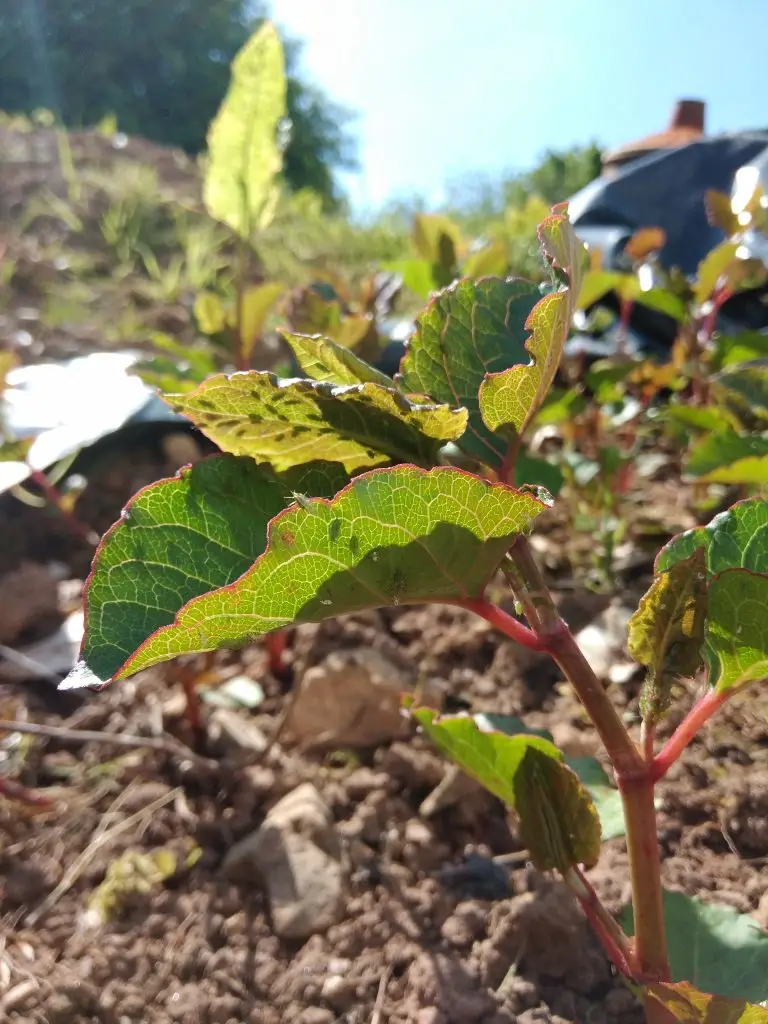
Biological control may have a role in the future in:
However, it is not yet a replacement for herbicide treatment or physical removal.
Because biological control cannot provide eradication, it is often discussed only in the context of broader knotweed management and research.
Current practical control options remain:
Ongoing research may improve the effectiveness of biological methods, but they are not currently part of mainstream knotweed remediation strategies.

Rest assured, where invasive species are identified at an early stage and tackled correctly, problems can usually be avoided. Our specialist consultants complete thorough surveys to identify the extent of the problem. Our plans aren’t one-size-fits-all; they’re customised to tackle the invasive species at your property effectively, taking account of all of your requirements.
Our team of experts is available between 9am and 5:30pm, Monday to Friday to answer your enquiries and advise you on the next steps
Want a survey?
If you already know you have an invasive plant problem, you can request a survey online in less than two minutes by providing a few brief details. A member of the team will swiftly come back to you with further information and our availability.
Need quick plant identification?
Simply upload a few images of your problem plant to our identification form and one of our invasive plant experts will take a look and let you know, free of charge what you are dealing with. We’ll also be there to help with next steps where necessary.