

...

Screening of knotweed infested soils

Soil screening is a specialist process used during Japanese knotweed excavation to separate rhizome and other knotweed material from the surrounding soil. By removing only the contaminated fraction, screening can significantly reduce the volume of waste that must be treated as knotweed infested, lowering disposal costs and environmental impact.

Screening is often used as part of wider remediation strategies such as Xtract™, stockpile and treat or dig and dump.
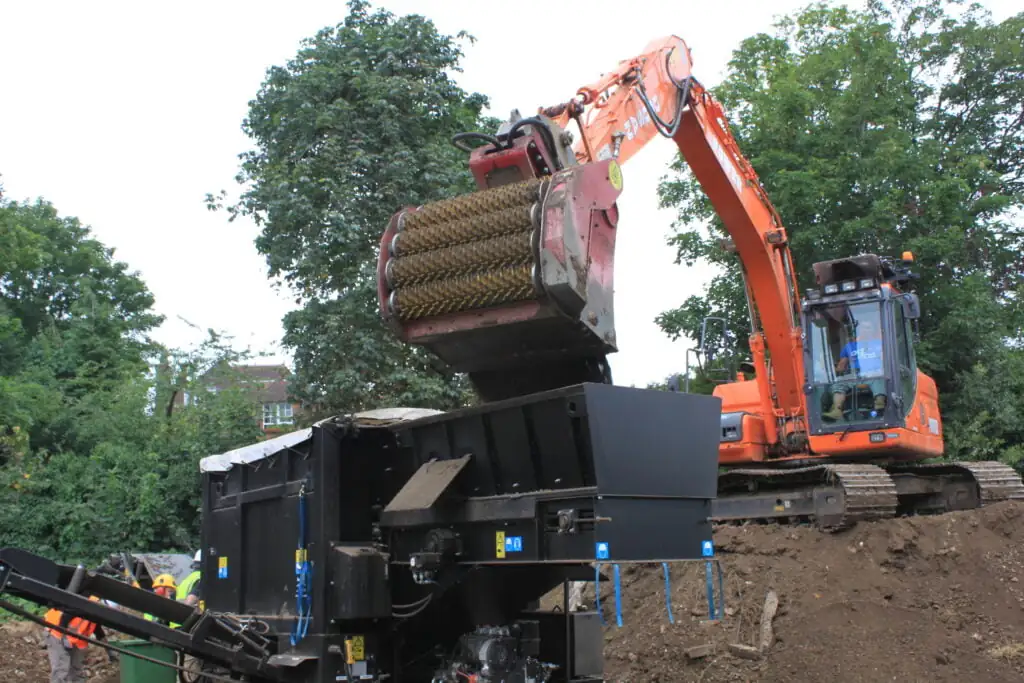
Excavator in use on development site

What is soil screening?

Soil screening involves passing excavated knotweed infested soils through mechanical equipment that separates coarse material, including rhizome, crowns and larger root fragments, from finer soils.

The basic process is:

  • excavate soils from knotweed affected areas under expert supervision
  • feed the material into a screening unit or specialised plant
  • mechanically separate rhizome and larger organic fragments from the soil matrix
  • collect the contaminated fraction for safe handling and disposal or treatment
  • return the screened soil to a designated area on site, where appropriate

The aim is to remove as much viable rhizome as possible while preserving the maximum amount of clean soil for re-use.

Quick Links

When is screening used?

Screening is typically deployed on medium to large development sites where:

  • excavation is required to remove knotweed from construction critical areas
  • there is a need to minimise the volume of material sent to landfill
  • alternative on-site remediation methods such as Xtract™ are being considered
  • stockpile and treat or cell burial strategies are in use and accurate segregation of contaminated material is important

It can be used on its own as a volume reduction technique or integrated into a more advanced zero waste solution.

screened knotweed soils
knotweed growing from screened soil

Benefits of soil screening

When correctly designed and supervised, screening offers several benefits:

  • Reduced waste volumes
    only the rhizome rich fraction is treated as knotweed infested, cutting disposal tonnages
  • Lower haulage and landfill costs
    fewer lorry movements and reduced landfill charges, especially where dig and dump is unavoidable
  • Better use of site-won soils
    screened soils can often be re-used on site within agreed constraints, reducing the need for imported fill
  • Environmental advantages
    less material sent to landfill and fewer vehicle movements reduce the overall carbon footprint of the works

Limitations and considerations

Screening is not suitable for every site or soil type. Key considerations include:

  • Soil conditions
    very wet, cohesive or heavily compacted soils can be difficult to process efficiently
  • Site layout and access
    sufficient space is required for the screening plant, stockpiles and safe vehicle movements
  • Remaining risk
    although screening greatly reduces rhizome content, it may not remove every fragment. It is therefore usually combined with other measures such as further excavation, herbicide treatment or root barriers in critical areas
  • Regulatory requirements
    where screened soils are to be moved or re-used, waste legislation and relevant guidance must be followed

For complete removal and a faster programme, methods such as Dig and Dump may be more appropriate.

clay soil unsuitable for screening
Excavated soil vs retained site won material

Integration with other knotweed removal methods

Soil screening is most effective when it forms part of a broader knotweed strategy. For example:

  • With dig and dump
    screening can reduce the volume classified as knotweed infested, cutting landfill costs
  • With stockpile and treat
    screening can improve separation of contaminated and clean material before herbicide treatment
  • Within Xtract™ type solutions
    screening supports the precise targeting and removal of rhizome while allowing clean soils to remain on site

Your chosen approach will depend on site constraints, timescales and budget. Our specialists can advise on whether screening is appropriate as part of your knotweed remediation plan.

Start fixing your invasive plant problem today by requesting a survey

Rest assured, where invasive species are identified at an early stage and tackled correctly, problems can usually be avoided. Our specialist consultants complete thorough surveys to identify the extent of the problem. Our plans aren’t one-size-fits-all; they’re customised to tackle the invasive species at your property effectively, taking account of all of your requirements. 

GET IN TOUCH

Our team of experts is available between 9am and 5:30pm, Monday to Friday to answer your enquiries and advise you on the next steps

Want a survey?

If you already know you have an invasive plant problem, you can request a survey online in less than two minutes by providing a few brief details. A member of the team will swiftly come back to you with further information and our availability.

Need quick plant identification?

Simply upload a few images of your problem plant to our identification form and one of our invasive plant experts will take a look and let you know, free of charge what you are dealing with. We’ll also be there to help with next steps where necessary.