
 Skip to content
 Herbicide treatment is a popular and cost-effective method of controlling Japanese knotweed where the ground will not be disturbed. It is widely used in residential gardens, boundary areas and open spaces where long-term control is acceptable and immediate excavation is unnecessary.
Herbicide treatment does not provide rapid removal, nor is it suitable where construction, landscaping or ground disturbance is planned. In these cases, excavation-based solutions such as excavation or Resi-Dig-Out™ are more appropriate.


Herbicide treatment is typically chosen where:
It is widely used in:
Where a faster or more certain outcome is required, DART™ or Resi-Dig-Out™ may be more suitable.
Herbicide programmes are delivered across multiple growing seasons and typically include:
Our applications are safe for pets once the herbicide has dried. For reassurance, we recommend waiting 90 minutes before allowing animals into treated areas.
An insurance-backed guarantee underwritten by an AA- rated insurer can be issued to cover any regrowth.
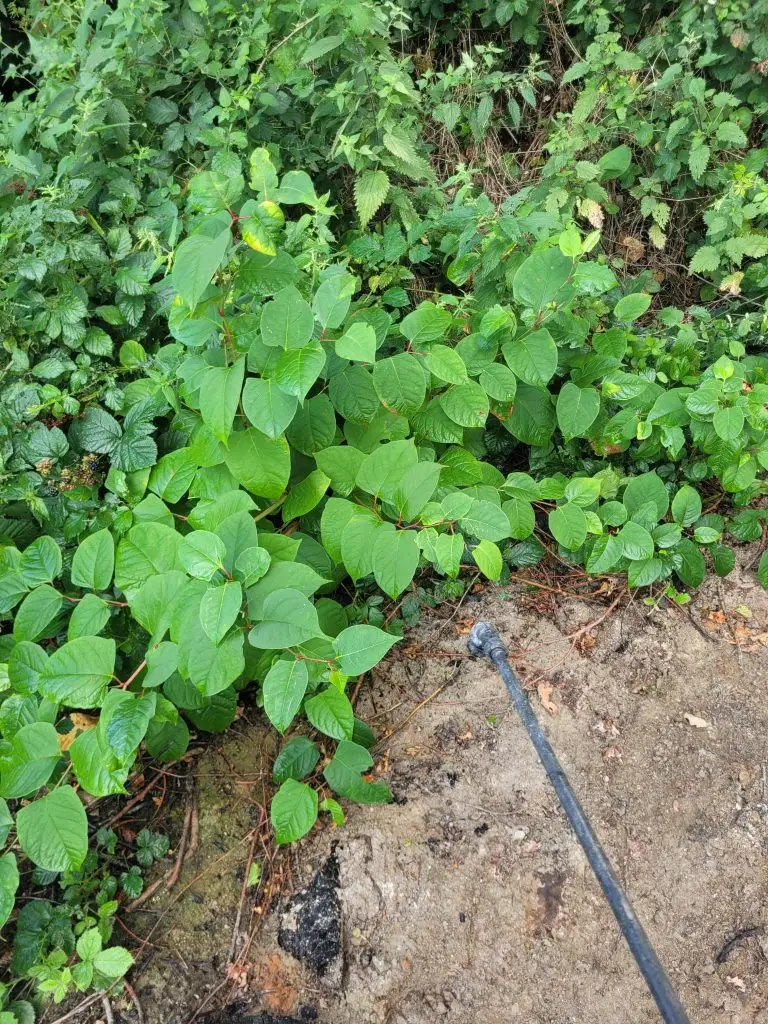

Glyphosate is the active ingredient used in our herbicide programmes. It has been used in the UK since 1976 across sectors such as farming, forestry and amenity management.
Regulators including the European Chemicals Agency (ECHA) have concluded that glyphosate poses little to no risk when used correctly. It has been assessed extensively by regulatory bodies in the EU, USA and the World Health Organisation.
All treatments are carried out by qualified technicians with NPTC Level 2 (PA1 and PA6) certification.
If you are concerned about the possible effects of herbicide, you may wish to explore:
We use the most appropriate application method for each site:
A targeted spray applied to the plant’s foliage. Suitable for most residential and open sites.
Herbicide is injected directly into mature stems using a specialised injector. This method avoids spray drift and is recommended near:
Small or immature plants cannot be treated with injection, and some evidence suggests it may induce rhizome dormancy. It should be considered a control method rather than a guaranteed eradication technique.
Precise application used for small regrowth or sensitive areas.

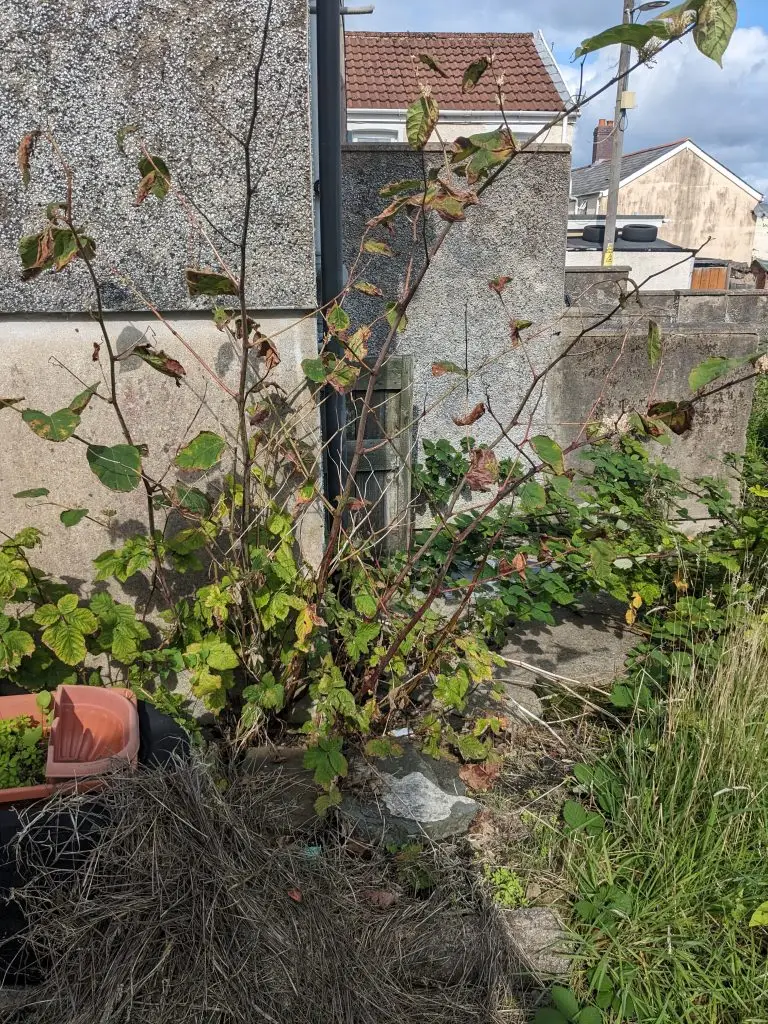
Herbicide treatment:
For gardens where future works are planned, excavation methods such as Resi-Dig-Out™ are strongly recommended.
Although glyphosate weedkillers (e.g. Roundup, Weedol) are widely available, DIY attempts often fail due to:
Professional treatment provides:
For reliable long-term control, professional treatment is strongly advised.



We have robust systems in place for Environmental and Health & Safety management. Risk assessments are carried out for every aspect of our business to identify situations where harm could be caused. We have an ethos of continuous improvement to eliminate or reduce the risks with detailed working procedures, on-going training and monitoring.
All our staff have health and safety and emergency first aid training. We are also accredited by CHAS and Constructionline and are members of the Property Care Association (PCA).
Rest assured, where invasive species are identified at an early stage and tackled correctly, problems can usually be avoided. Our specialist consultants complete thorough surveys to identify the extent of the problem. Our plans aren’t one-size-fits-all; they’re customised to tackle the invasive species at your property effectively, taking account of all of your requirements.
Our team of experts is available between 9am and 5:30pm, Monday to Friday to answer your enquiries and advise you on the next steps
Want a survey?
If you already know you have an invasive plant problem, you can request a survey online in less than two minutes by providing a few brief details. A member of the team will swiftly come back to you with further information and our availability.
Need quick plant identification?
Simply upload a few images of your problem plant to our identification form and one of our invasive plant experts will take a look and let you know, free of charge what you are dealing with. We’ll also be there to help with next steps where necessary.