

 Skip to content
 Environet has been dealing with Japanese knotweed long enough to see how the legal position has shifted in practice, not just on paper. For 30 years we’ve advised landowners, developers, lenders, surveyors and solicitors, and we’re regularly instructed on disputes where things have already gone wrong. That experience matters, because most knotweed issues don’t start as legal problems – they become legal problems when risk is misunderstood, delayed, or poorly documented.
This guide sets out how the law around Japanese knotweed actually works in day-to-day situations, where responsibility sits, and where we most often see avoidable disputes arise.
No, it is not illegal to have Japanese knotweed on your land, and it is not a notifiable weed.
However, legal issues can arise depending on how it is managed. Problems typically occur if the plant is allowed to spread into the wild or onto neighbouring land, or if it is handled improperly as waste. In these situations, liability may arise under criminal or civil law. In practice, enforcement and legal claims are usually based not on the presence of the plant itself, but on a failure to control it once you should reasonably have been aware of it.
Disposal is another common area of risk. Soil, rhizomes, and any contaminated material are classed as controlled waste. Moving or disposing of this waste without the proper licensing, documentation, or approved destination is where criminal liability most often arises.
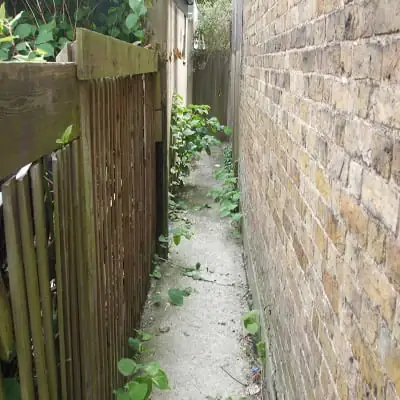
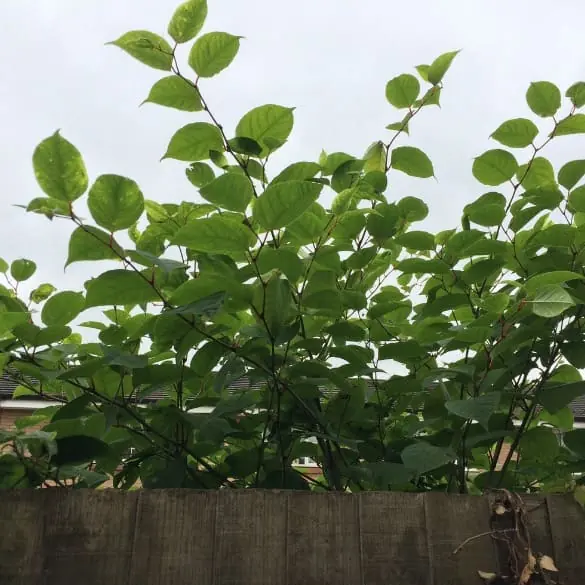
Responsibility sits with the landowner or the party controlling the land. That sounds simple, but in practice it’s where many disputes start.
Environmental regulators – the Environment Agency, SEPA, Natural Resources Wales and the Northern Ireland Environment Agency – oversee waste controls and chemical permissions. They do not remove knotweed unless it is on land they own or manage. We often see clients assume a regulator or council will “step in”; that rarely happens unless there’s a wider environmental breach.
If knotweed is within three metres of a boundary, it frequently becomes a conveyancing or lending issue even before any physical encroachment occurs. At that point, early engagement with the adjoining owner is usually more effective than letting positions harden. Where ownership is unclear, a land registry search is often the first practical step, not a solicitor’s letter.
Under the Wildlife and Countryside Act 1981, it is an offence to plant or otherwise cause Japanese knotweed to grow in the wild. Penalties range from fines in the magistrates’ court to unlimited fines and custodial sentences in the Crown Court. Prosecutions tend to focus on clear, avoidable spread rather than passive presence.
Other legislation we routinely see engaged includes:
Environmental Protection Act 1990
Town and Country Planning legislation (particularly where conditions are breached)
Anti-Social Behaviour, Crime and Policing Act 2014 (used occasionally by local authorities)
Waste duty of care regulations and Environment Agency guidance on disposal and herbicide use
In practice, waste offences are the most common criminal exposure. Fly-tipping contaminated soil or using unlicensed carriers is where enforcement action is most straightforward.
Civil liability is where most knotweed disputes now sit.
If knotweed spreads from one property to another, the originating owner may be liable in nuisance.
Liability usually crystallises once the owner knew, or should have known, about the knotweed and failed to act. Claims typically include treatment costs and, in some cases, injunctions compelling action.
For landlords and tenants, responsibility often turns on lease terms and whether knotweed pre-dated occupation. This is frequently overlooked at survey stage and only revisited once a dispute arises.
The Waistell v Network Rail (2016) decision changed the landscape. The court accepted that knotweed could interfere with enjoyment and value even without physical encroachment. Since then, claims for residual diminution in value have become more common, though outcomes still depend heavily on evidence and site specifics.
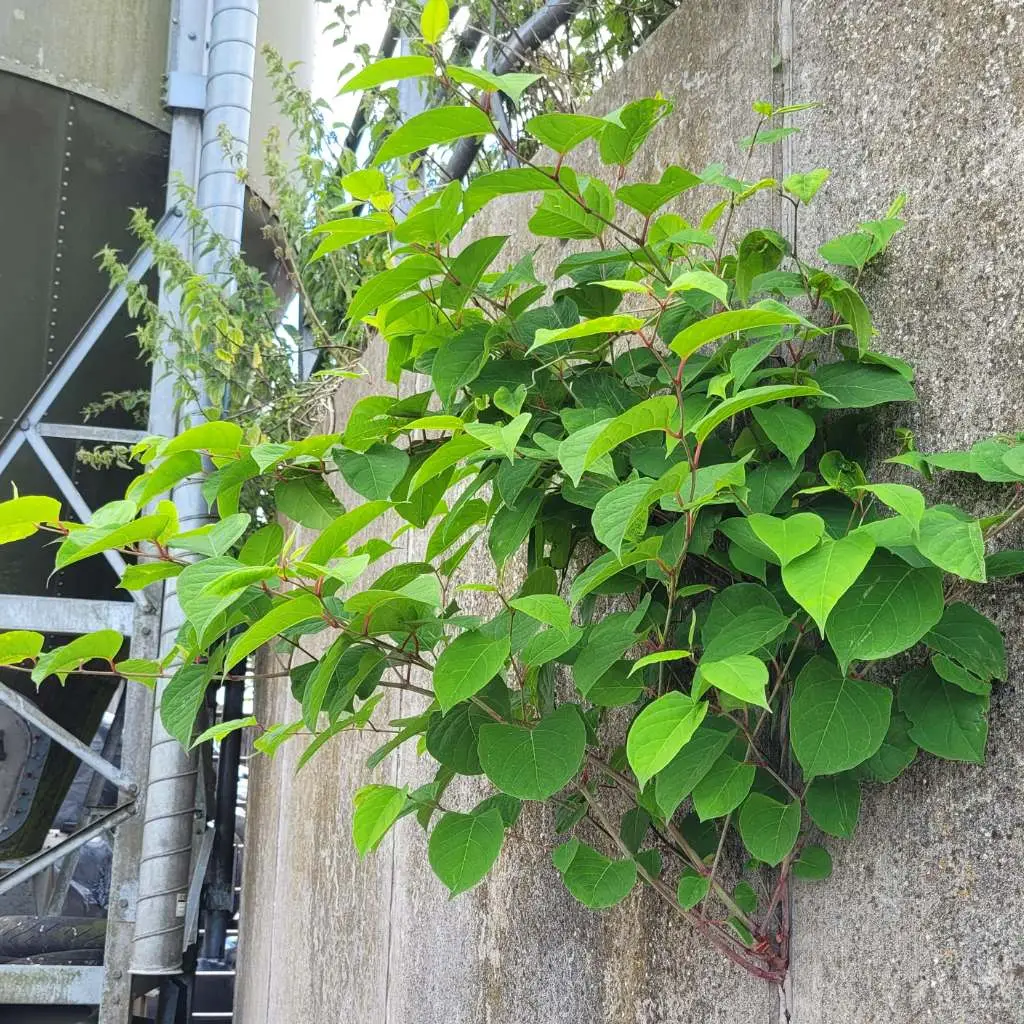

Sometimes, yes. But it’s rarely as clear-cut as people expect.
A claim is more likely to succeed where:
A specialist survey can usually establish origin on the balance of probabilities. What often undermines claims is timing. If the neighbour is already implementing a reasonable management plan, that may form a defence.
Conversely, prolonged or poorly executed treatment is not always considered reasonable, particularly on constrained sites where off-the-shelf approaches rarely work as intended.
We’re frequently instructed as expert witnesses under CPR 35, often after positions have become entrenched. Earlier technical input usually reduces both cost and conflict.
There’s no obligation to notify authorities about knotweed, but disclosure during a sale is where many legal problems begin.
The TA6 Property Information Form must be answered truthfully. The Law Society guidance makes it clear that answering “No” requires certainty that no knotweed rhizome is present within the boundary or within three metres of it. In reality, that level of certainty is hard to achieve without intrusive investigation, so many sellers opt for “Not known” unless the position is unequivocal.
Ticking “No” confirms that you understand what knotweed is and have taken steps to verify its absence. If knotweed later comes to light, misrepresentation claims are a common outcome. We see these succeed most often where sellers relied on assumption rather than evidence.

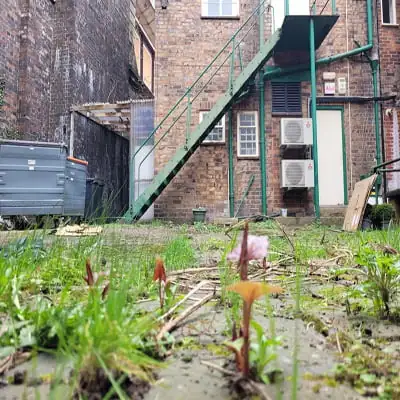
No. Japanese knotweed is not a notifiable weed.
Confusion usually comes from the Weeds Act 1959, which lists five injurious plants affecting agriculture. Japanese knotweed is not one of them, and the Act does not impose a duty to notify or automatically control listed species.
That said, contributing sightings to independent datasets can be useful. Shared intelligence helps buyers, surveyors and developers assess risk earlier, rather than discovering issues after purchase.
Compensation may be available where:
Recoverable losses can include treatment costs, insurance-backed guarantees, professional fees, diminution in value and, in some cases, wider consequential losses.
Outcomes depend heavily on evidence quality and timing – delays often weaken otherwise valid claims.
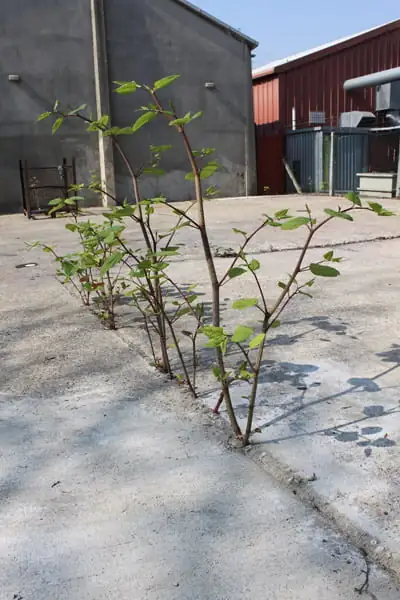
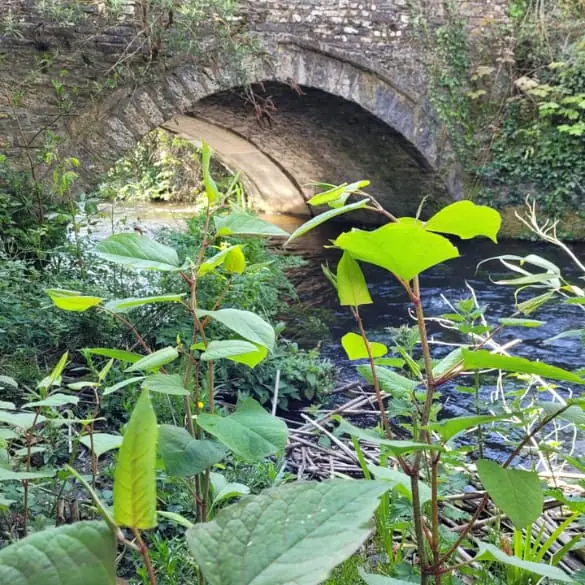
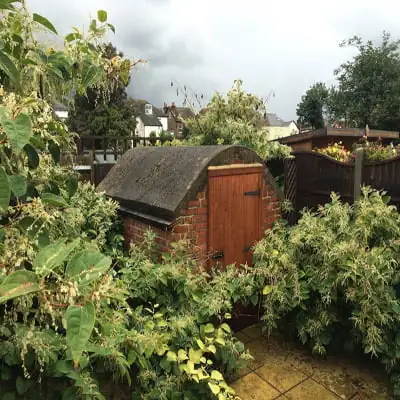
Japanese knotweed liability in England and Wales sits across multiple statutes, regulatory powers, civil remedies and professional standards.
The matrix below summarises how each mechanism operates in practice and when it is typically triggered.
| Legal instrument / body | What it governs | When it is triggered | Enforcement route |
|---|---|---|---|
| Anti-social Behaviour, Crime and Policing Act 2014 | Community Protection Notices requiring landowners to control knotweed where behaviour is deemed detrimental | Persistent failure to act following complaint | Local authority issued CPN, breach is a criminal offence |
| Infrastructure Act 2015 | Powers linked to invasive species control agreements and enforcement | Escalated non-compliance or failure to co-operate | Statutory enforcement mechanisms via public bodies |
| Environmental Protection Act 1990 and disposal obligations | Classification of knotweed material as controlled waste | Excavation, transport or disposal of contaminated soil | Environment Agency enforcement, potential prosecution |
| Environment Agency regulatory role | Oversight of waste handling and environmental offences | Illegal disposal, spread into the wild, waste breaches | Regulatory investigation and enforcement action |
| Case law on private nuisance | Civil liability for encroachment and interference with land | Knotweed spreads across boundaries | Civil proceedings in County Court or High Court |
| Courts and civil procedure | Injunctions, damages, diminution claims | Failure to resolve encroachment or dispute | Court orders, damages awards |
| Misrepresentation in property transactions | False or misleading disclosure during sale | Incorrect or careless answers on property forms | Civil claim by purchaser |
| TA6 Property Information Form obligations | Seller disclosure requirements in residential conveyancing | Sale of affected property | Contractual and misrepresentation liability |
| RICS professional guidance | Surveyor assessment and lender reporting standards | Mortgage valuation or survey | Professional regulatory framework |
| Local authority powers | Environmental health, planning and nuisance control | Complaints from neighbours or community | Formal notices, enforcement action |
In practice, knotweed disputes follow a predictable pattern:
Escalation may involve:
Understanding which legal mechanism applies, and when, is central to managing risk proportionately.

Japanese knotweed itself is not illegal to own. However, under the Wildlife and Countryside Act 1981, it is an offence to plant or cause it to grow in the wild. Mishandling contaminated soil may also breach environmental legislation.
Prosecution is rare for simple presence. Legal exposure arises where there is deliberate spread, unlawful disposal, or failure to comply with a formal enforcement notice such as a Community Protection Notice.
Yes. Private nuisance claims are well established in case law. Where knotweed spreads across a boundary and causes measurable interference, the affected party may seek damages or an injunction.
No. Diminution arises from risk perception, lack of management, or failure to disclose. Where professional management and guarantees are in place, impact is often reduced.
Failure to disclose accurately on the TA6 form can result in a misrepresentation claim. Claims may include treatment costs, diminution in value, and legal expenses.
Yes. Under the Anti-social Behaviour, Crime and Policing Act 2014, local authorities may issue Community Protection Notices requiring control measures where behaviour is deemed detrimental to the community.
by Casey Rand
“Contacted this company with a photo to ask if a weed was Japanese knotweed. Fabulous ethos. They do not charge for identification services. Should I ever need any knotweed removal I would be happy to use such a company with conscience like this and a friendly service!”
by Jessie Cooper
“Lovely company. I am buying a flat in a high risk japanese knotweed area and spotted some suspicious looking shoots in the garden. Emailed photos to Environet who responded super speedily to reassure me it wasn’t knotweed. They asked for a donation to one of their justgiving charities instead of charging”
by Stephanie
“Following suspected JKW in my newly purchased property I contacted Environet and provided their expert with photographs. In less than an hour I received a response letting me know that it was not JKW and provided the correct identification of said plant..”
by Victoria Mundy
“Prompt and helpful advice on our identification query“
by Maggie, September 2024
Thanks so much for the expert in Environet UK as they are so experience with swift response to my enquires. They are professional in the reviewing Japanese knotweed and very detailed information in their website.
Rest assured, where invasive species are identified at an early stage and tackled correctly, problems can usually be avoided. Our specialist consultants complete thorough surveys to identify the extent of the problem. Our plans aren’t one-size-fits-all; they’re customised to tackle the invasive species at your property effectively, taking account of all of your requirements.
Our team of experts is available between 9am and 5:30pm, Monday to Friday to answer your enquiries and advise you on the next steps
Want a survey?
If you already know you have an invasive plant problem, you can request a survey online in less than two minutes by providing a few brief details. A member of the team will swiftly come back to you with further information and our availability.
Need quick plant identification?
Simply upload a few images of your problem plant to our identification form and one of our invasive plant experts will take a look and let you know, free of charge what you are dealing with. We’ll also be there to help with next steps where necessary.