

 Skip to content
 Japanese knotweed is now a familiar issue in the UK property market. What still catches sellers out is not the plant itself, but how it is handled during the sale process.
We are routinely instructed after sales have stalled, buyers have withdrawn, or disputes have arisen post-completion. In almost every case, the problem can be traced back to one of three things: incomplete information, poor disclosure, or assumptions made without evidence.
Handled correctly, knotweed does not need to prevent a sale. Handled badly, it can lead to price renegotiation, mortgage refusal, or legal action months or years later.

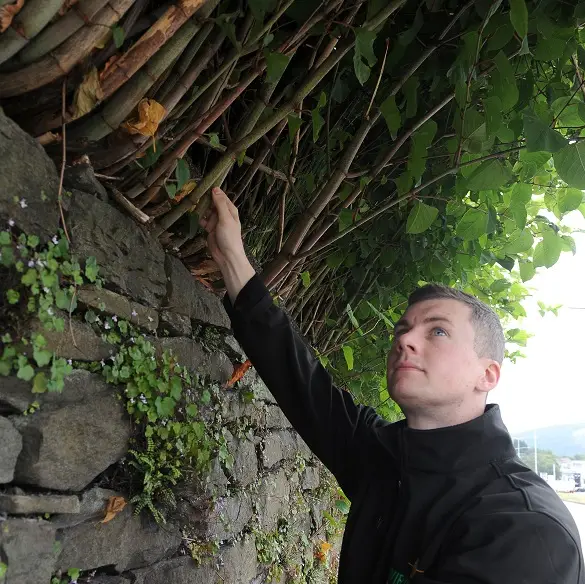
Japanese knotweed is a perennial plant that dies back in winter, often leaving only dry, hollow canes that are easily overlooked or mistaken for garden waste. Below ground, however, the rhizome system remains viable and capable of regrowth.
This seasonal dormancy is where sellers often come unstuck. We regularly see knotweed:
In some cases, sellers rely on the absence of visible growth as reassurance. In others, historic treatment is assumed to have resolved the issue, despite no records being available. Both situations create risk.
Ignoring knotweed rarely saves money. It usually shifts cost and liability into the transaction, where it becomes more expensive and more disruptive.
When selling a residential property, sellers must complete the Law Society TA6 Property Information Form. Question 22.3 asks whether the property is affected by Japanese knotweed.
This question carries legal weight. An inaccurate or misleading answer can form the basis of a misrepresentation claim after completion.
The key point is certainty.
If you are absolutely certain that no Japanese knotweed is present above or below ground, and that no viable rhizome exists within or close to the boundary, then “No” may be appropriate.
If you are not certain, the correct answer is “Not known”.
This is not an admission of a problem. It is a statement that the seller does not have definitive evidence either way. It allows the buyer to make their own enquiries and protects the seller from allegations of concealment or misrepresentation.
We see far more problems arising from unjustified “No” answers than from honest “Not known” disclosures.


The Law Society updated its guidance to the TA6 form to reflect the reality that Japanese knotweed is not always visible and cannot be ruled out without proper investigation.
The guidance makes clear that a seller should only answer “No” if they are certain that no knotweed rhizome is present, even if there are no visible signs above ground.
This reflects what we see on site. Dormant rhizome can remain viable for years, particularly where partial or historic treatment has taken place.
Sellers who guess, assume, or rely on absence of visible growth expose themselves to unnecessary legal risk.
A specialist Japanese knotweed survey provides clarity before a property goes to market.
In practice, a survey allows sellers to:
From a transaction perspective, this often speeds things up rather than slowing them down. Buyers are less likely to withdraw or renegotiate when the issue is clearly documented and professionally addressed.


If knotweed is identified, there is no need to delay the sale provided a credible management plan is put in place.
Professional treatment options vary depending on site constraints and future use, but what matters to buyers and lenders is that:
Guarantees are often misunderstood. Sellers should ensure they understand:
Providing buyers with clear documentation upfront builds confidence and reduces friction during conveyancing.
Knotweed influences transactions not because it is untreatable, but because unmanaged risk is unacceptable to lenders and buyers.
Common outcomes where knotweed is mishandled include:
Conversely, where surveys, treatment plans and guarantees are in place, sales often proceed with minimal disruption.

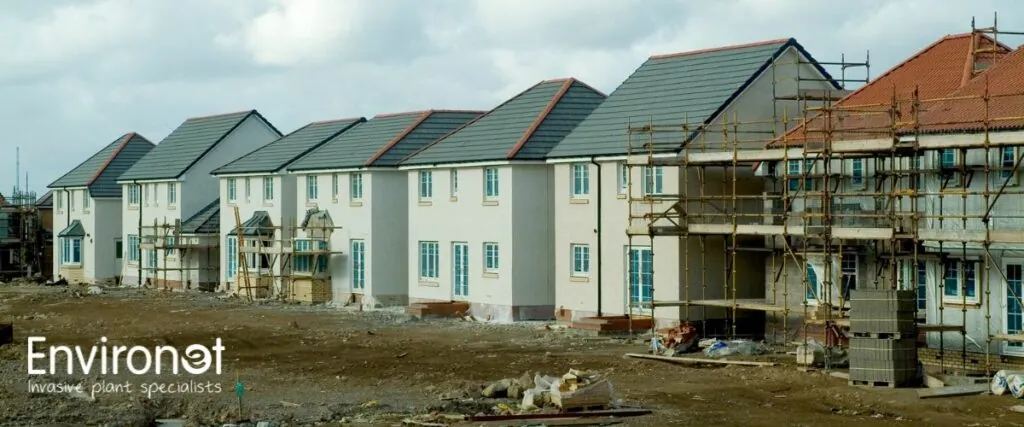
Different considerations apply to new-build homes or properties with historic knotweed issues.
Buyers will usually expect developers to provide:
Where historic treatment has taken place, sellers should retain and disclose all available records. Lack of paperwork is one of the most common causes of buyer concern, even where treatment may have been effective.
Based on what we see across hundreds of transactions, sellers should:
A modest upfront cost almost always prevents a much larger downstream problem.


Japanese knotweed is widespread across the UK. Awareness has improved, regulation is clearer, and treatment methods are well established.
Sales fail when knotweed is ignored or concealed. Sales succeed when it is addressed early, documented properly, and managed professionally.
Transparency protects sellers as much as it reassures buyers.
If you are selling a property and Japanese knotweed is known or suspected, the priority is clarity rather than concealment.
A professional survey, a realistic management plan and proper documentation usually allow transactions to proceed with confidence.
For survey and management options:
https://www.environetuk.com/japanese-knotweed/survey
For property-related guidance:

Rest assured, where invasive species are identified at an early stage and tackled correctly, problems can usually be avoided. Our specialist consultants complete thorough surveys to identify the extent of the problem. Our plans aren’t one-size-fits-all; they’re customised to tackle the invasive species at your property effectively, taking account of all of your requirements.
Our team of experts is available between 9am and 5:30pm, Monday to Friday to answer your enquiries and advise you on the next steps
Want a survey?
If you already know you have an invasive plant problem, you can request a survey online in less than two minutes by providing a few brief details. A member of the team will swiftly come back to you with further information and our availability.
Need quick plant identification?
Simply upload a few images of your problem plant to our identification form and one of our invasive plant experts will take a look and let you know, free of charge what you are dealing with. We’ll also be there to help with next steps where necessary.