Skip to content

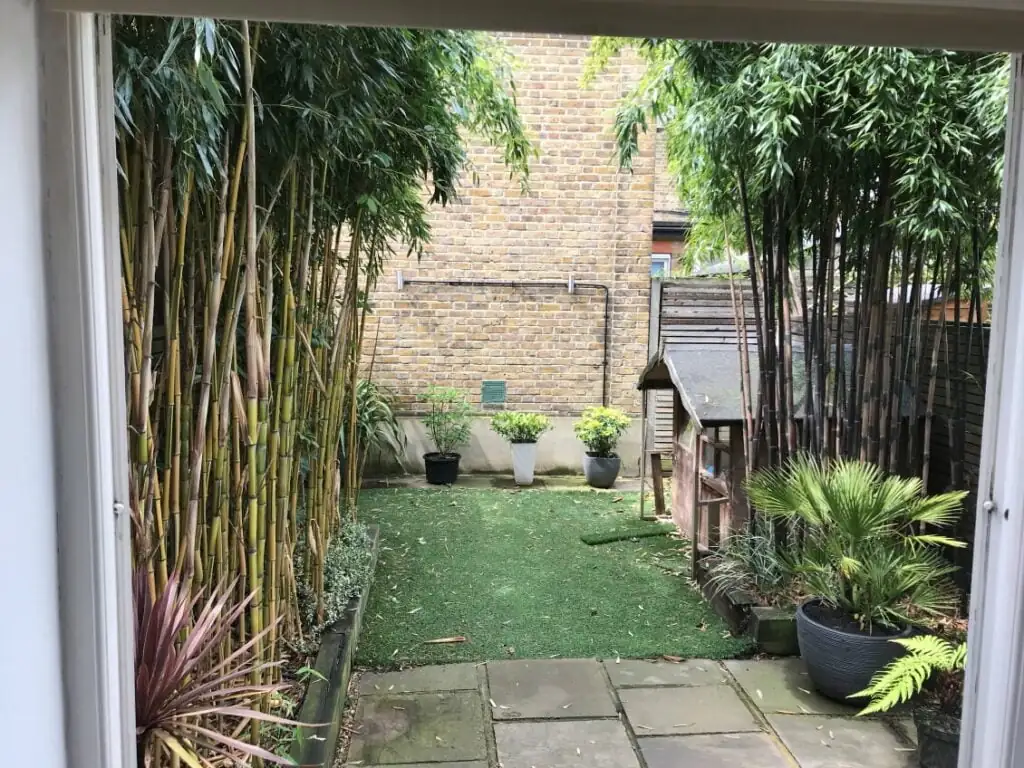
Bamboo, once the darling of British garden design, has become a growing concern for homeowners and property professionals alike. With its tall, graceful canes and year-round greenery, it’s no surprise that bamboo has become a staple for privacy screening and adding structure to garden borders.
However, behind its aesthetic appeal lies a hidden problem: bamboo’s invasive potential. Increasingly, experts and surveyors are asking the question – is bamboo the new Japanese knotweed?
How to identify bamboo in your garden
Bamboo is easy to recognise once you know what to look for. It’s a tall, fast-growing grass with hollow, jointed stems known as culms, which can range from thin and delicate to thick and woody depending on the species. The stems often form dense clusters and can be green, yellow, or even black. Bamboo leaves are typically long, narrow, and lance-shaped, growing alternately along the stems or branches.
If you notice new shoots emerging some distance away from the main plant, this is a sign you may have a running bamboo variety, which spreads aggressively through underground rhizomes. Clumping bamboo tends to stay closer to the original root ball but can still expand steadily over time.
Bamboo can easily be mistaken for ornamental grasses or reeds, but its woody stems, segmented joints, and rapid growth rate are key identifiers. If you suspect bamboo may be spreading in your garden or from a neighbour’s property, it’s important to take action early before it causes damage or becomes invasive.
How bamboo spreads
With over 1,000 species worldwide, bamboo ranges from small ornamental clumps to towering, fast-spreading giants. In the UK, the most problematic types are the ‘running’ varieties, which send out long, lateral rhizomes (underground stems) that can extend several metres from the parent plant. These rhizomes allow bamboo to appear unexpectedly in lawns, under fences, driveways, and even on neighbouring properties.
While ‘clumping’ bamboos spread more slowly, they are far from benign if planted directly into the ground without proper containment. Over time, even clumping varieties can overrun their planting area, particularly if soil and moisture conditions are favourable. Once established, bamboo’s robust rhizomes are extremely difficult to eradicate.
Damage to property
Bamboo’s reputation as an invasive plant is not unfounded. Its strong underground growth can exploit weaknesses in structures, push through patios and pathways, penetrate drains, and even threaten foundations.
In one extreme case in Hampshire in 2021, bamboo was found growing beneath a house, leading to an insurance claim of around £100,000 for removal and repair work.
While such cases are unusual, they highlight the plant’s potential to cause significant structural damage. What begins as a decorative border can evolve into a costly and stressful problem if left unchecked. As with Japanese knotweed, bamboo’s ability to travel unseen underground makes it a particular concern for homeowners – especially when it spreads across property boundaries.
Public awareness remains low
Despite these risks, awareness of bamboo’s invasive potential remains limited. A YouGov survey commissioned by Environet in 2023 revealed that 18% of British adults have encountered bamboo on their property or a neighbour’s, yet only 24% expressed concern about its presence nearby. In contrast, 85% said they would take action if Japanese knotweed were detected close to their home.
This disparity suggests that while Japanese knotweed has become a well-known menace, bamboo’s reputation has yet to catch up – even though its ability to spread and cause damage can, in some circumstances, be just as destructive.
Tackling bamboo: What homeowners need to know
Bamboo is simpler to remove than Japanese knotweed due to its shallower roots, but that doesn’t mean it’s easy. Its rhizomes can stretch several metres underground, often mingling with building foundations, pipes, and garden structures. As such, most infestations require professional excavation and removal to ensure all rhizome material is eradicated.
At Environet, bamboo removal typically involves:
- Excavating and sieving the soil to remove all root and rhizome fragments.
- Installing root barrier membranes to prevent regrowth or lateral spread across boundaries.
- Follow-up visits to treat any minor regrowth with targeted herbicide applications.
While herbicide treatment alone rarely solves the problem, full professional removal – which typically costs between £3,500 and £5,000 for residential properties – offers long-term peace of mind.
An example of this process comes from Ealing, West London, where homeowners Shane and his wife discovered bamboo shoots pushing up beneath their patio and close to the rear wall of their Victorian property. Environet’s team removed the infestation, including all lateral rhizomes, and installed root barriers to prevent recurrence. The work was completed in two days and backed by a five-year guarantee, allowing the couple to enjoy their garden without future worries.
The lenders’ view
Since 2012, the presence of Japanese knotweed has been a red flag for mortgage lenders and surveyors, often requiring specialist reports or treatment plans before loans are approved. Until recently, bamboo escaped similar scrutiny – but that is beginning to change. Increasingly, Chartered Surveyors are flagging bamboo infestations in property surveys, recommending professional assessments before sales or mortgages can proceed.
As awareness grows, it is likely that lenders will begin to adopt stricter policies, mirroring those already in place for knotweed. Establishing clear surveying frameworks and treatment guarantees, such as Environet’s insurance-backed guarantee, could become the industry norm to protect buyers from inheriting hidden problems.
Prevention: The best cure
The best way to avoid bamboo trouble is through prevention. If you’re considering planting bamboo for screening or decorative use, always:
- Choose clumping rather than running varieties.
- Plant bamboo in root barrier-lined trenches or large containers, not directly into open soil.
- Regularly monitor the edges of planting areas for signs of new shoots or rhizome spread.
- Seek professional advice if you spot bamboo emerging where it shouldn’t.
Taking early action is far cheaper and simpler than dealing with a full-scale infestation later.
FAQs about bamboo and Japanese knotweed
Is bamboo as bad as Japanese knotweed?
Not quite – bamboo spreads more quickly but is generally easier to remove. However, certain running varieties can still cause structural damage and disputes between neighbours, making them a serious concern if left unmanaged.
Does bamboo damage house foundations?
Yes, in some cases. Its rhizomes can exploit cracks and gaps in brickwork or concrete, causing structural issues similar to those associated with Japanese knotweed.
Will my buildings insurance cover bamboo damage?
Usually not. Most policies exclude damage caused by invasive plants, meaning removal and repairs are often at the homeowner’s expense.
Can herbicide kill bamboo?
Herbicide alone is rarely effective. Physical removal of the rhizome system, combined with targeted follow-up treatments, offers the best results.
How can I stop my neighbour’s bamboo from spreading into my garden?
If bamboo from a neighbouring property is encroaching, speak to them first – they may not be aware of the issue. Installing a professional root barrier can prevent further spread, although in severe cases, legal advice may be necessary.
Conclusion
While bamboo may not yet carry the stigma of Japanese knotweed, it poses a comparable threat when left unchecked. Its capacity for stealthy underground spread, potential to damage property, and increasing scrutiny from surveyors and lenders mean homeowners should treat it with caution. As awareness grows, the property industry is beginning to recognise bamboo as the next major invasive threat in UK gardens.
Think you might have a bamboo problem?
If you’ve spotted bamboo spreading on your property or creeping over from a neighbour’s garden – it’s time to act before it causes costly damage. Contact Environet today for expert advice, professional removal, and guaranteed protection against regrowth.