

 Skip to content
 Japanese knotweed can be successfully removed or brought under long-term control, but there is no single method that is right for every property. The best solution depends on what you need to do with the land, how quickly the problem must be resolved, whether the ground will be disturbed and where the plant’s underground rhizome has spread.
Environet provides specialist Japanese knotweed removal for homeowners, developers and landowners across the UK. We survey the affected area, explain the viable options and deliver a clear remediation plan supported by the appropriate documentation and insurance-backed guarantee.
Request a survey or call 01932 868 700 for practical advice.

The word “removal” is often used loosely, but there is an important difference between physically removing Japanese knotweed and controlling it with herbicide.
That distinction matters. A homeowner planning an extension may need the affected soil physically remediated, while herbicide may be entirely appropriate for knotweed in an undisturbed boundary area. On a development site, different parts of the same infestation may require different methods.
Our view: the right question is not simply “How do we kill the visible plant?” It is “What outcome does this property or site need?” Future land use should determine the remediation strategy, not the other way around.
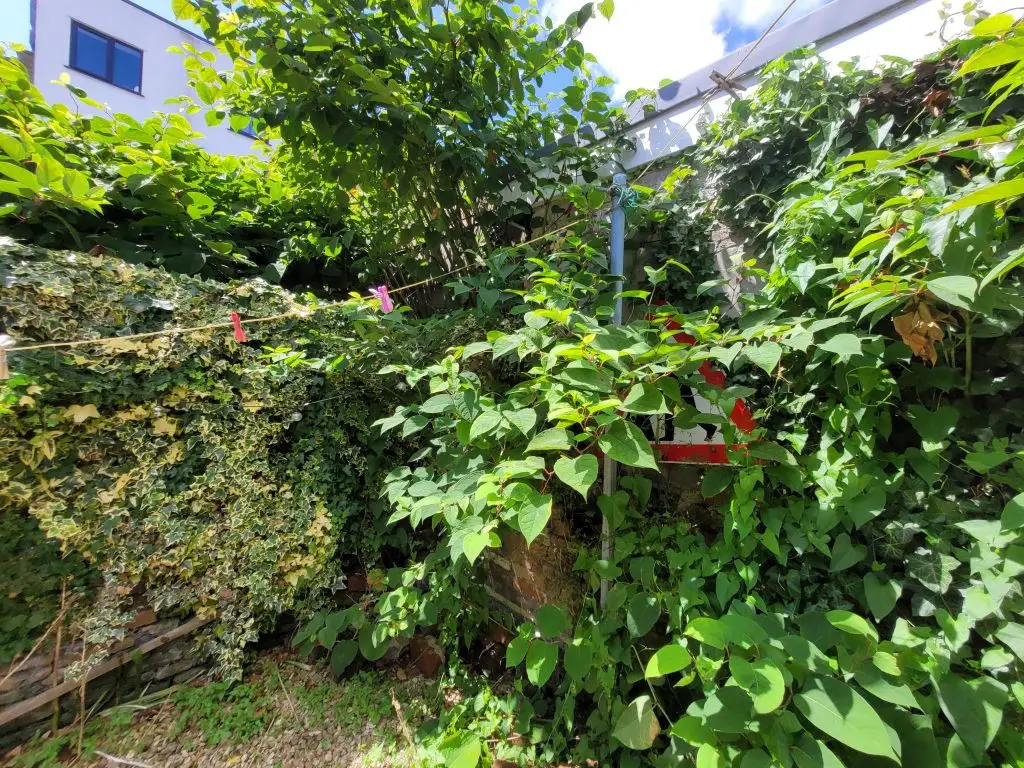
Japanese knotweed spreads through a network of underground rhizomes. The visible stems show only part of the affected area, so a sound recommendation cannot be made from photographs or surface growth alone.
Before recommending a method, we consider:
A professional Japanese knotweed survey and management plan brings these factors together and sets out the recommended work, programme, monitoring and guarantee.
The following comparison gives a practical overview. Exact timescales and suitability depend on the site.
| Approach | Outcome | Typical timeframe | Best suited to | Main consideration |
|---|---|---|---|---|
| Herbicide treatment | Long-term control | Usually several growing seasons | Areas where the ground will remain undisturbed | Rhizome remains in the soil and may enter dormancy |
| Targeted residential excavation | Physical removal from the affected area | Usually completed in days | Gardens, extensions and landscaping projects | Requires suitable access and temporary ground disturbance |
| Commercial excavation and soil remediation | Development-ready land, with treatment or reuse of affected soil where appropriate | Days to months, depending on the method and scale | Construction sites, development land and infrastructure projects | Must be coordinated with the site programme and waste obligations |
| Root barrier | Containment and protection | Immediate protection once installed | Boundaries, structures and areas that need isolating | Does not by itself remove the source infestation |
For a more detailed side-by-side assessment, see our Japanese knotweed removal methods matrix.
Excavation-based Japanese knotweed removal is generally used where land needs to be cleared quickly or future ground disturbance would make herbicide treatment unsuitable. The aim is to remove viable rhizome from the required area while preventing contaminated soil from being spread around or taken off site incorrectly.
Excavation does not always mean sending large quantities of soil to landfill. Depending on the site, viable options can include targeted removal, separation and reuse of soil, relocation to a controlled treatment area, or secure containment on site.
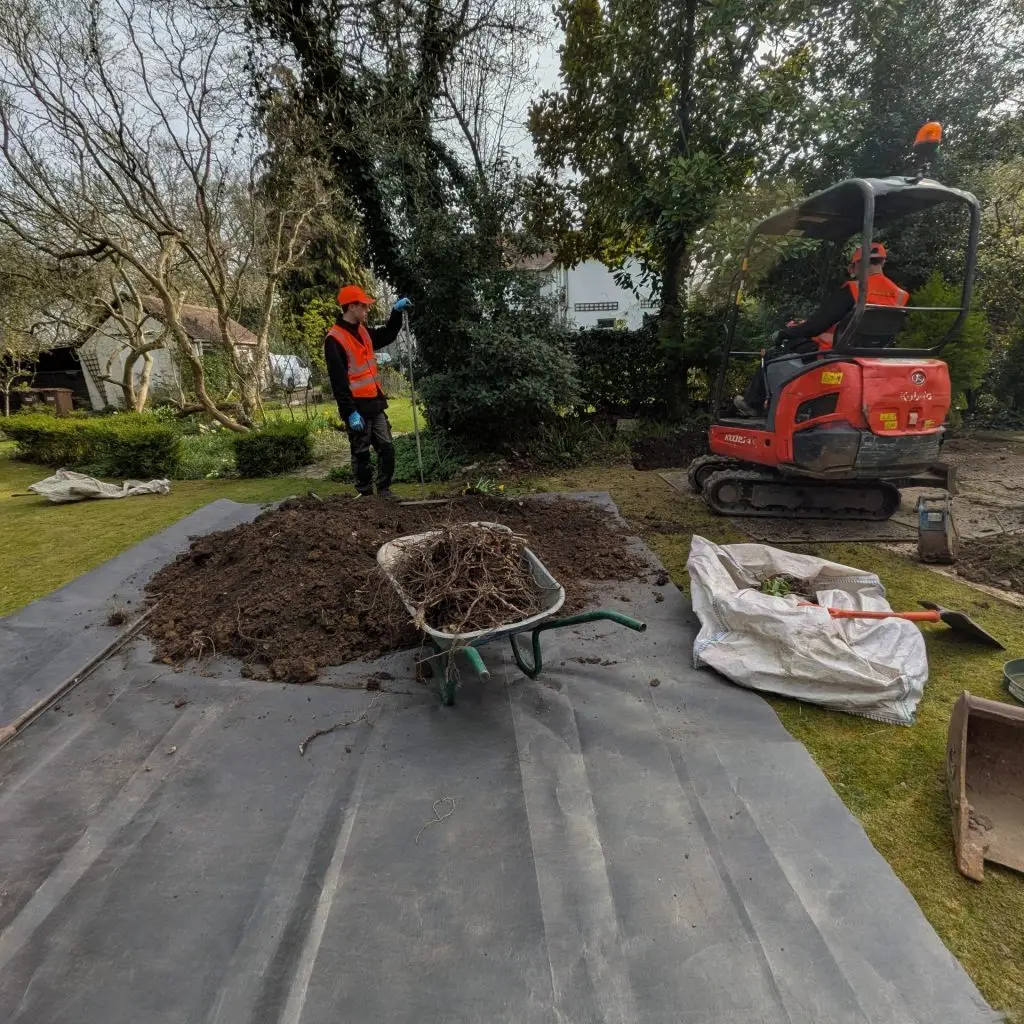

Where a developer already has machinery and labour available, specialist site supervision can help ensure that excavation, soil handling and exclusion zones follow the agreed method statement.

Professional herbicide treatment is usually the lowest-cost and least disruptive approach where the affected ground will not be excavated, built over or significantly altered.
Treatment is timed around the plant’s growth cycle so that an appropriate herbicide is carried into the rhizome system. Applications and monitoring are normally required over several growing seasons. Above-ground growth may disappear relatively quickly, but that should not be mistaken for physical removal of the underground rhizome.
Herbicide can be the right solution for gardens, boundaries, embankments and non-critical areas of commercial sites. It is less suitable where construction must proceed or where future excavation could disturb dormant rhizome and spread it into clean ground.
Specialist root barriers can be installed vertically to prevent rhizome crossing a boundary, or horizontally to protect structures and areas of clean ground. They are often combined with excavation or herbicide treatment.
A barrier changes the route available to the rhizome; it does not make the infestation disappear. Correct specification, installation and integration with the wider management plan are therefore essential.

The technical principles are the same, but the priorities of a homeowner and a developer are often very different.

Residential work often needs to balance cost, access and disruption with concerns about selling, remortgaging, neighbours or planned garden works. Environet offers treatment and excavation methods designed specifically for domestic properties, together with the documentation and guarantee that may be needed during a property transaction.

Commercial remediation must work around construction programmes, planning conditions, soil movements, waste compliance and the future use and value of the site. Early involvement usually creates more options and reduces the risk of knotweed being spread during enabling or groundworks.
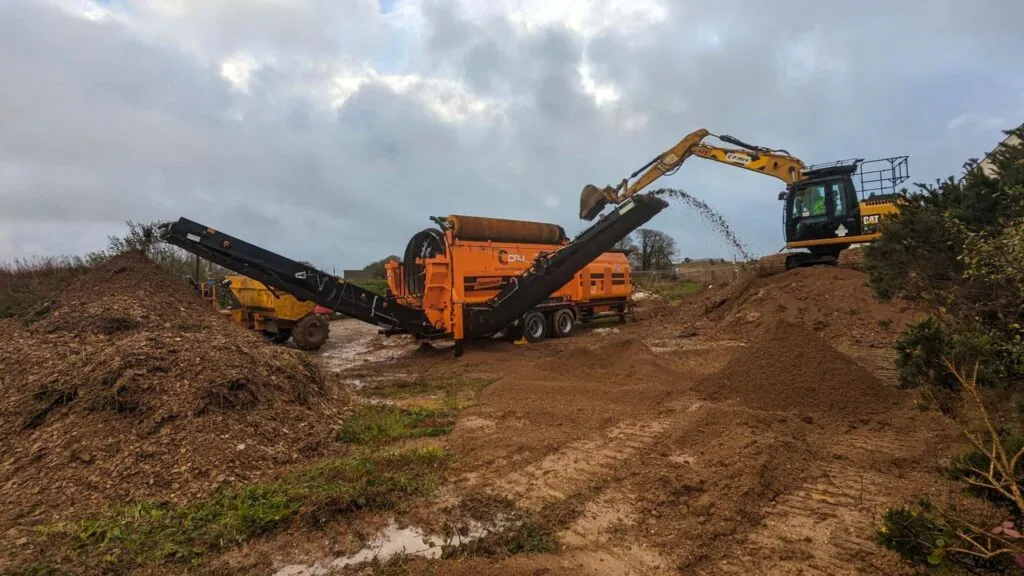
The practical work involved in excavation may take only a few days, although larger or more complex commercial projects can run for longer. Herbicide treatment typically extends over several growing seasons because applications must work with the plant’s annual growth cycle.
The shortest programme is not automatically the best. If the land will remain undisturbed, a slower treatment programme may be proportionate. If an extension, sale or development depends on the affected area being cleared, physical remediation may offer better value despite its higher initial cost.
Read the full guide to Japanese knotweed removal timescales.
Costs vary widely because the visible area of knotweed is only one part of the calculation. The chosen method, extent of rhizome, site access, soil volumes, disposal requirements, future land use and urgency can all materially change the price.
Herbicide treatment normally has the lowest initial cost but takes longer and leaves rhizome in the ground. Excavation costs more at the outset but can release land for immediate use. On commercial sites, methods that retain and reuse soil can reduce haulage, landfill charges and the cost of importing replacement material.
For current examples and indicative ranges, see our guide to Japanese knotweed removal costs. A survey is needed before an accurate site-specific quotation can be given.

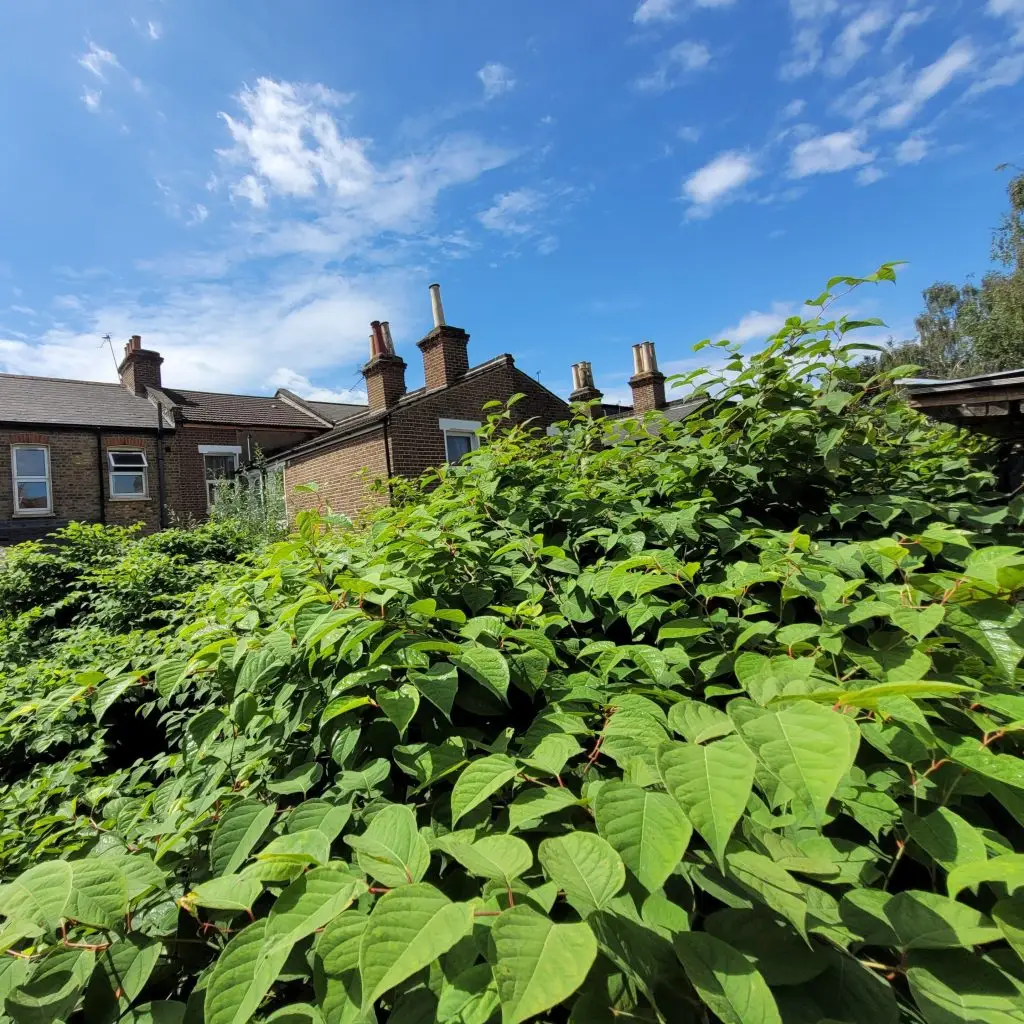
It is not illegal to have Japanese knotweed on your land. Legal problems arise when it is caused to spread in the wild, allowed to encroach onto neighbouring property, or handled and disposed of incorrectly.
Japanese knotweed material and soil containing viable rhizome must be managed carefully. Affected soil should not be moved around a site without a plan, placed in household or green waste, or taken to an unauthorised destination. Where material is removed from site, the correct carriers, facilities and waste documentation must be used.
Read more about Japanese knotweed disposal and the wider law relating to Japanese knotweed.


Cutting or spraying the visible growth does not remove the underground rhizome. Digging without understanding its likely extent can fragment and spread it, while inappropriate chemicals and disposal can create additional environmental and legal problems.
The most useful first step you can take yourself is to confirm the identification and avoid disturbing the affected ground. If you are considering treatment yourself, read our detailed guide to DIY Japanese knotweed removal and its limitations.
Cover can be arranged for the affected area and buffer zone, or for the whole property, depending on the contract. Visit our insurance-backed guarantee guide for the current terms and cover options.
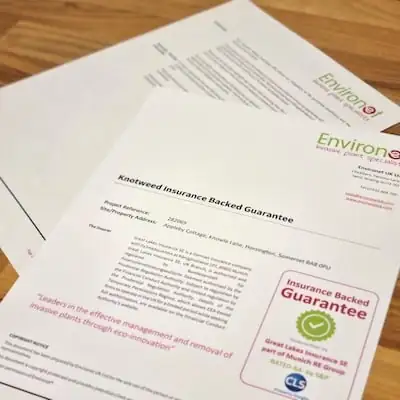
Professional documentation can be as important as the physical work, particularly when property is being sold, mortgaged or developed. Environet can provide 5 or 10-year insurance-backed guarantees, underwritten by an S&P AA- rated insurer, for qualifying treatment and removal programmes.
Cover can be arranged for the affected area and buffer zone, or for the whole property, depending on the contract. Visit our insurance-backed guarantee guide for the current terms and cover options.
Environet has specialised in invasive plant consultancy and remediation for 30 years. Our work ranges from constrained residential gardens to large development and infrastructure sites, giving us direct experience of how different methods perform in practice.
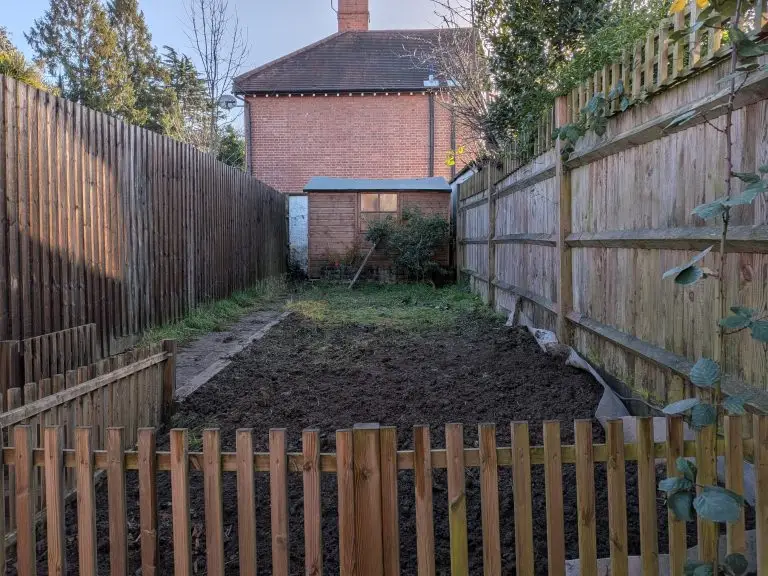
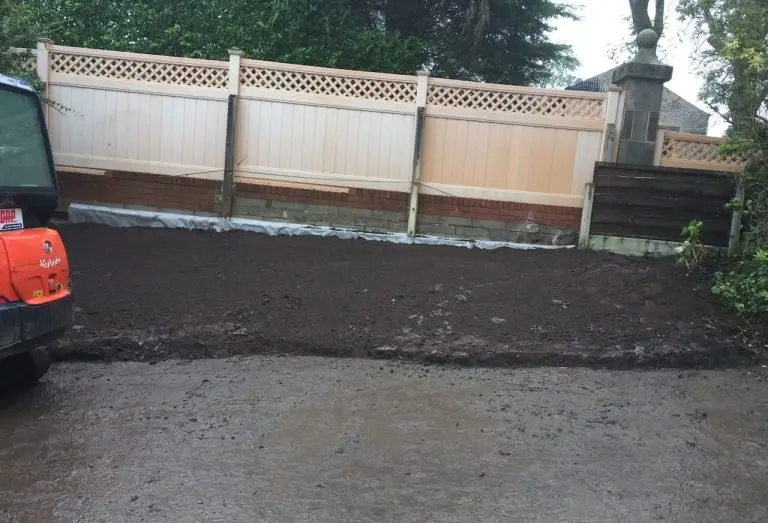
Browse residential and commercial success stories:
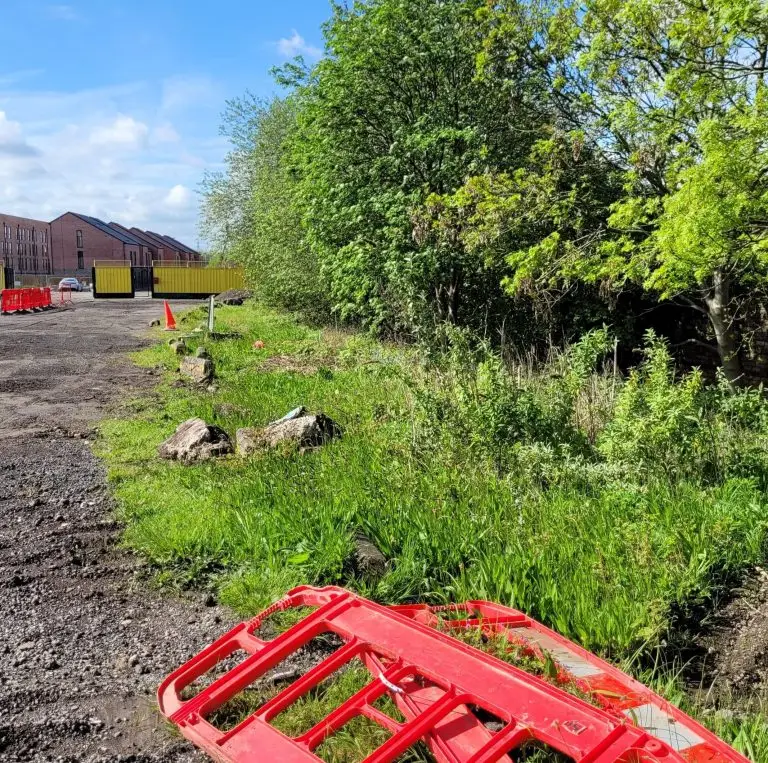
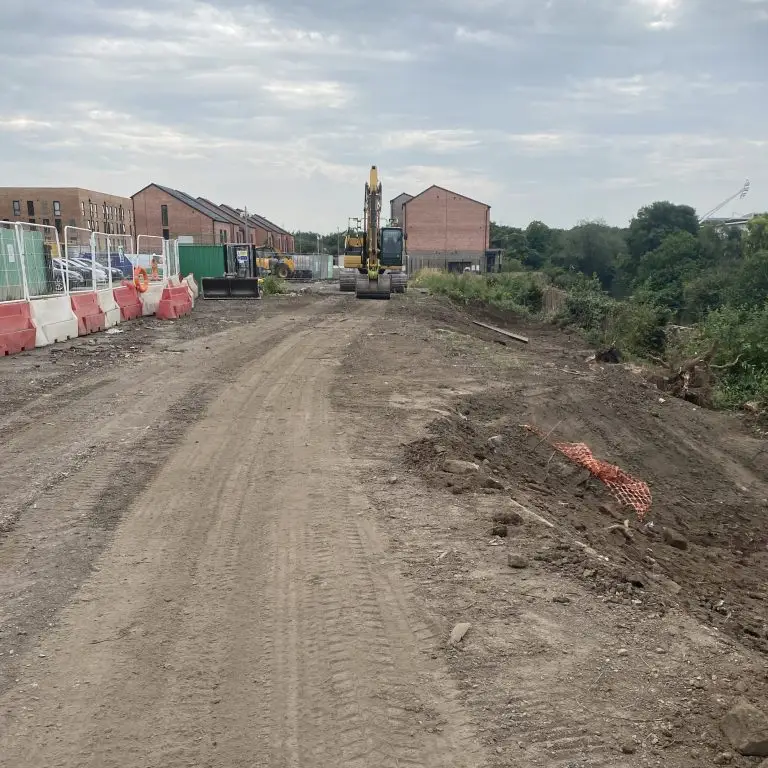
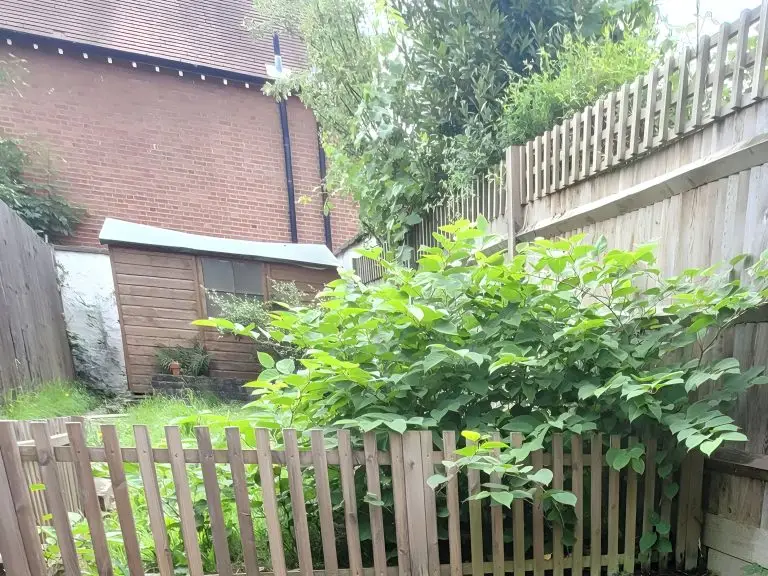
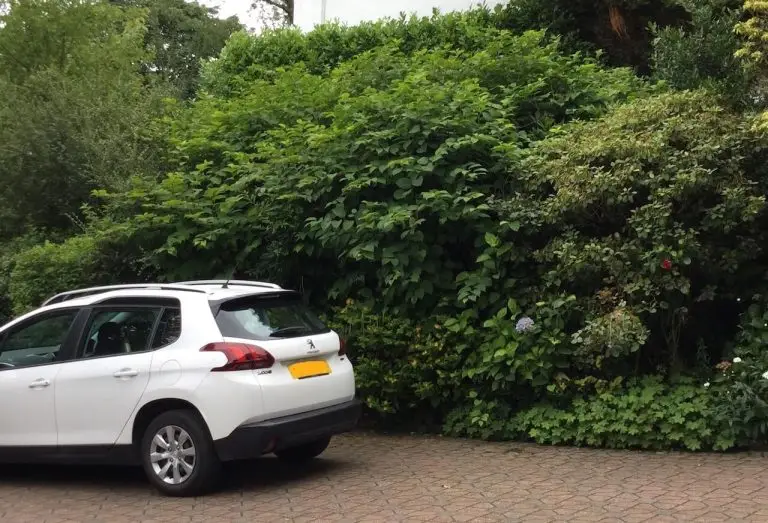

Correct identification comes before removal. Japanese knotweed changes considerably through the seasons and can also look different after cutting, disturbance or failed herbicide treatment.
Use our Japanese knotweed identification guide or send clear photographs through our free identification service. If knotweed is confirmed and you need to establish its extent, the next step is a professional survey.
Rest assured, where invasive species are identified at an early stage and tackled correctly, problems can usually be avoided. Our specialist consultants complete thorough surveys to identify the extent of the problem. Our plans aren’t one-size-fits-all; they’re customised to tackle the invasive species at your property effectively, taking account of all of your requirements.
Our team of experts is available between 9am and 5:30pm, Monday to Friday to answer your enquiries and advise you on the next steps
Want a survey?
If you already know you have an invasive plant problem, you can request a survey online in less than two minutes by providing a few brief details. A member of the team will swiftly come back to you with further information and our availability.
Need quick plant identification?
Simply upload a few images of your problem plant to our identification form and one of our invasive plant experts will take a look and let you know, free of charge what you are dealing with. We’ll also be there to help with next steps where necessary.